
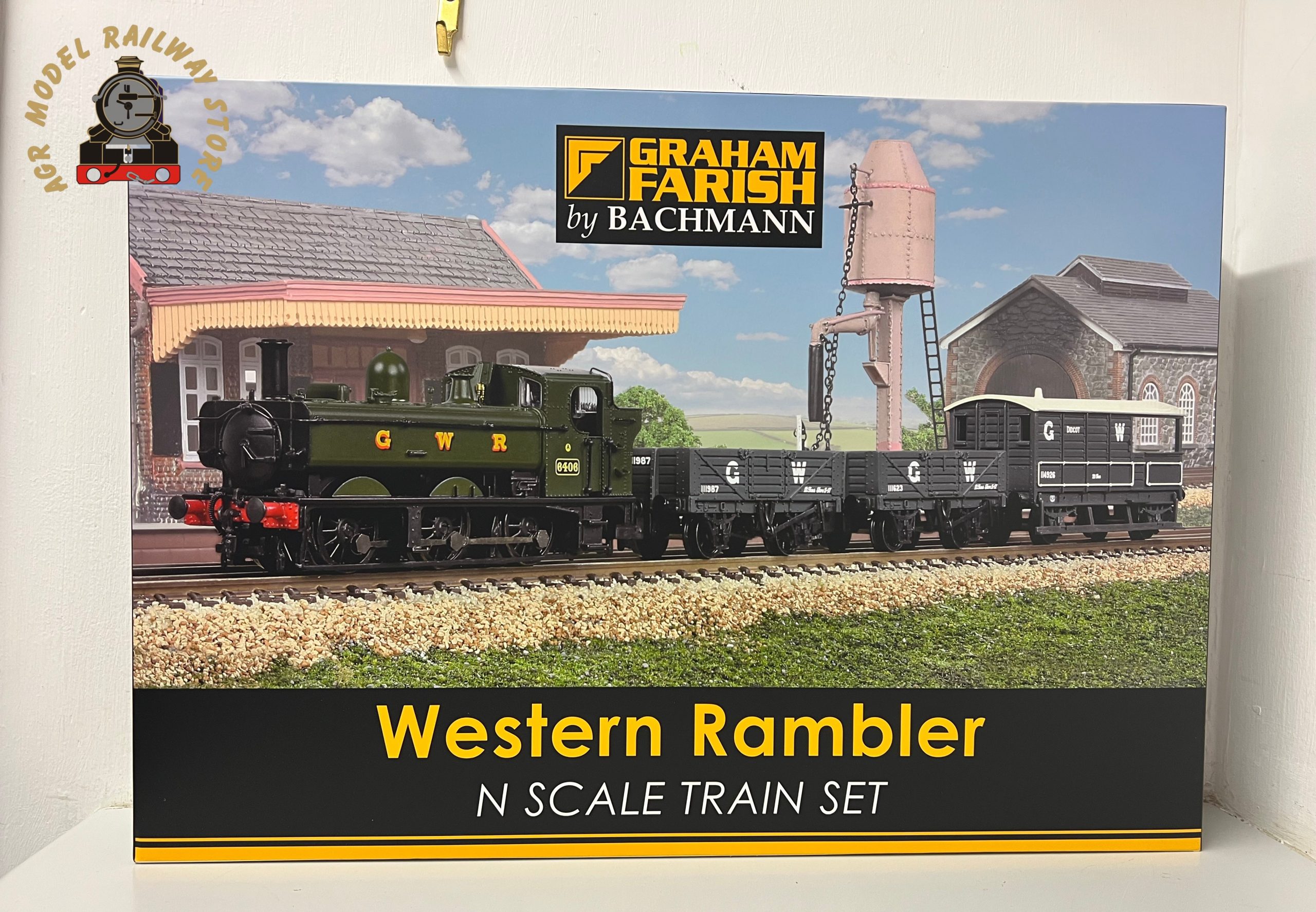
N Gauge Locomotives for Sale: What to Look For
Whether you are starting a compact layout or adding to an established railway, finding the right N gauge locomotive can make a real difference to your modelling. With a wide choice of steam, diesel and electric models available, there is something to suit many eras, regions and budgets. Before you buy, it is worth checking a few key details to ensure your new locomotive will run well and fit your layout.
What is N gauge?
N gauge is a popular model railway scale that allows plenty of railway in a relatively small space. In the UK, models are generally made to a scale of 1:148 and run on track with a gauge of 9mm. N scale models made for other markets may use a different scale ratio, so check the manufacturer’s specifications if accurate proportions matter to you.
Choose a locomotive to suit your layout
Think about the kind of railway you want to operate. A small steam locomotive may suit a branch line or heritage layout, while a modern diesel could be more appropriate for main-line freight or passenger services. Consider the period, region and type of operation you are modelling, as well as the length and weight of the trains the locomotive will need to haul.
Layout design matters, too. Check the locomotive’s minimum recommended curve radius and compare it with the tightest curves on your track. Larger locomotives and longer wheelbases may struggle on sharper curves, even if they look ideal for your chosen era.
New or second-hand?
New N gauge locomotives are often supplied in a box with manufacturer details and may include a warranty, depending on where they are purchased. Buying second-hand can offer good value or help you find a model that is no longer in production, but condition can vary. Ask for clear photographs and, if possible, a short video showing the locomotive running in both directions.
When assessing a used model, look for missing parts, damaged handrails, loose bodywork and signs of poor repairs. Check that the wheels and pickups are clean, and ask whether the locomotive has been tested recently. A model that has been stored for a long time may need cleaning or servicing before it runs reliably.
Check electrical and control compatibility
Most N gauge locomotives are designed for two-rail DC control, but some are fitted with a Digital Command Control (DCC) decoder or are ready to accept one. Before buying, confirm whether the model is DC or DCC, whether a decoder is included, and whether it will work with your control system. Decoder fitting can be challenging in N gauge because of the limited space inside the locomotive.
Also check that the locomotive is suitable for your track and power supply. Compatibility can depend on the model’s wheel arrangement, pickup design and electrical system, so consult the manufacturer’s information where possible.
Compare prices and seller details
Prices vary according to the manufacturer, model, level of detail, availability and condition. Compare similar locomotives rather than relying on the price of a single listing. For second-hand purchases, take postage, returns policies and any likely servicing costs into account.
A reputable seller should provide an accurate description and answer reasonable questions about running condition, repairs and included accessories. If buying online, check the returns terms before completing your purchase.
Find the right locomotive for your railway
The best N gauge locomotive is one that suits your layout, runs reliably and brings your chosen railway to life. By checking scale, curve requirements, electrical compatibility and condition, you can make a more confident choice and enjoy many hours of operation on your model railway.
Essential Guide to Buying N Gauge Locomotives in the UK: Top 6 FAQs Answered
- Where can I buy N gauge locomotives in the UK?
- How much do N gauge locomotives usually cost?
- What should I check when buying a second-hand N gauge locomotive?
- Are N gauge locomotives compatible with all N gauge track?
- Should I choose a DC or DCC N gauge locomotive?
- Which N gauge locomotive is best for a beginner?
Where can I buy N gauge locomotives in the UK?
You can buy N gauge locomotives in the UK from specialist model railway shops, online retailers, model railway exhibitions and second-hand marketplaces. Specialist shops can offer advice on choosing a model and checking compatibility with your track and control system, while exhibitions and pre-owned listings may be good places to find older or discontinued locomotives. Before buying, check the locomotive’s condition, scale, electrical compatibility, postage costs and the seller’s returns policy.
How much do N gauge locomotives usually cost?
N gauge locomotive prices vary by manufacturer, model, age and condition. As a guide, new models commonly cost around £100–£250, while second-hand locomotives may be available for less, often from about £30 upwards. Limited editions, highly detailed models and sound-fitted locomotives can cost more, so compare similar listings and check what is included before buying.
What should I check when buying a second-hand N gauge locomotive?
When buying a second-hand N gauge locomotive, check its condition and running performance before committing. Look for missing or damaged parts, loose bodywork, dirty wheels and signs of poor repairs, and ask whether it has been tested in both directions. If possible, request a video or test it yourself, paying attention to smooth running, unusual noises and reliable electrical pickup. Also confirm whether it is DC or DCC, whether a decoder is fitted, and that it is compatible with your track and controller. Check what accessories or original packaging are included, and read the seller’s description and returns policy carefully.
Are N gauge locomotives compatible with all N gauge track?
Most N gauge locomotives will run on standard 9 mm N gauge track, but compatibility is not guaranteed in every case. Track standards, wheel profiles and model scale can vary, particularly between UK and overseas products, and some locomotives may not negotiate tight curves or certain points reliably. Check the manufacturer’s specifications and recommended minimum curve radius, and make sure the locomotive suits your track layout and controller before buying.
Should I choose a DC or DCC N gauge locomotive?
Choose a DC N gauge locomotive if your layout uses a conventional controller or you prefer simple, lower-cost operation. A DCC locomotive is better suited to a digital control system, allowing you to control locomotives independently on the same track and, on suitably equipped models, operate features such as lights and sound. Before buying, check whether the locomotive is DCC-fitted, DCC-ready or DC-only, and make sure it is compatible with your controller; fitting a decoder to an N gauge model can be difficult because space inside is limited.
Which N gauge locomotive is best for a beginner?
For beginners, the best N gauge locomotive is usually a reliable, ready-to-run model that suits the layout’s era and can handle its tightest curves. A smaller, uncomplicated locomotive is often a practical first choice, as it is easier to run on a compact layout and typically costs less than a large or highly detailed model. Look for a model from a reputable manufacturer, check that it is compatible with your controller, and, if buying second-hand, ask whether it has been tested and runs smoothly in both directions.