
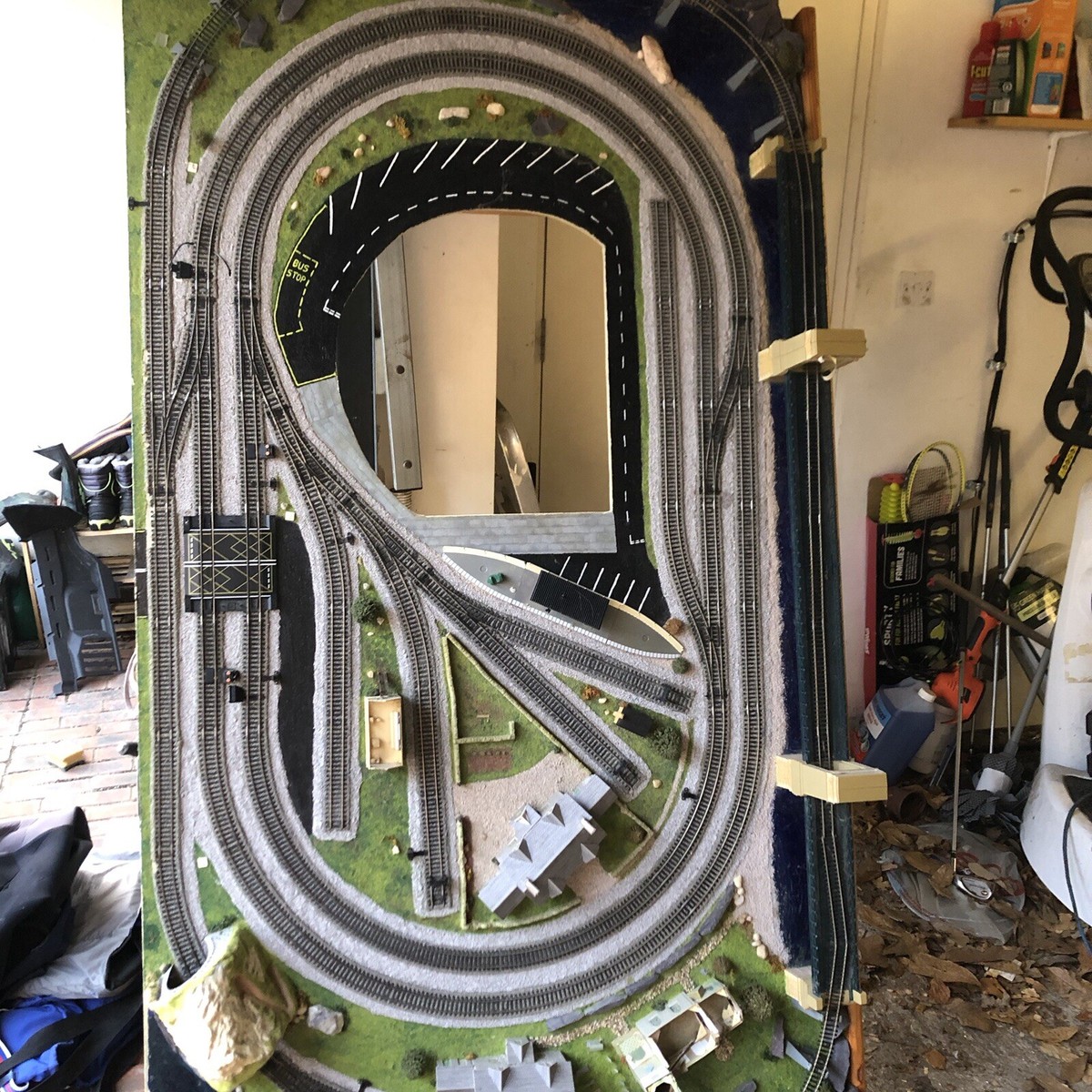
OO Gauge Railways: A Guide to Britain’s Favourite Model Railway Scale
OO gauge is the most popular model railway scale in the United Kingdom. It allows railway enthusiasts to recreate everything from a small country station to a busy main line, with a wide range of locomotives, carriages, wagons and scenery available.
What does OO gauge mean?
OO models are built to a scale of 4 mm to 1 foot, or approximately 1:76.2. The track measures 16.5 mm between the rails. This is the same track width used by HO scale models, although HO trains are slightly smaller, at a scale of 1:87.
The difference has a historical explanation. Early British model railway manufacturers adapted mechanisms and track made for HO trains to suit the larger British locomotives and carriages. The result was OO: models larger than HO running on the same track gauge. This means OO track is slightly narrower than true scale for the models, but the arrangement has become an established part of the hobby.
Why is OO so popular?
A major advantage of OO is the choice of products. British manufacturers offer models based on railways from many eras, including steam, diesel and electric traction. It is usually straightforward to find locomotives, rolling stock and accessories suitable for a particular region or period.
OO is also a practical size for home layouts. It provides enough room for detailed models and scenery, while allowing a useful amount of railway to fit into a spare room, loft or garage. Beginners can start with a simple oval and add points, sidings, buildings and scenery as their interests develop.
Planning an OO layout
Before buying track, consider how much space is available and what sort of railway you would like to build. A compact layout might focus on a station, goods yard or industrial scene. A larger plan could include continuous running, several stations or hidden storage tracks for trains waiting to enter the scene.
Track geometry matters, particularly on smaller layouts. Tight curves can limit which locomotives and carriages will run smoothly, so choose the broadest curves that the available space allows. Reliable track laying, clean rails and careful electrical connections also make a noticeable difference to performance.
Adding realism and detail
Scenery helps turn a collection of track and trains into a convincing railway setting. Buildings, bridges, platforms, signals, vegetation and carefully chosen colours can suggest a specific place and period. Weathering can add character to locomotives and freight wagons, while realistic train formations help bring an operating scene to life.
Digital Command Control, or DCC, is another option. Instead of controlling the power to separate sections of track, DCC sends commands through the rails to decoders fitted in locomotives. This can make it easier to operate several trains independently and add features such as sound and lighting. Conventional direct-current control remains a suitable choice, especially for simpler layouts.
A hobby for every level of experience
OO gauge can be enjoyed in many ways: collecting ready-to-run models, building kits, designing layouts, researching railway history or operating trains with friends. A modest first layout can grow over time, and there is no single right way to approach the hobby.
With its broad choice of British models, manageable size and scope for creative design, OO gauge offers an accessible way to explore the world of model railways.
8 Essential Tips for Building Your 00 Gauge Model Railway
- Plan your track layout before laying it.
- Use a level, sturdy baseboard.
- Keep curves as broad as your space allows.
- Clean rails regularly for reliable running.
- Test points before fixing them in place.
- Leave room to reach every part of the layout.
- Match your controller to your locomotives.
- Add scenery gradually, checking clearances as you go.
Plan your track layout before laying it.
Plan your track layout before laying it to make the best use of your space and avoid costly changes later. Sketch the route, stations, sidings and points, and check that curves are broad enough for your trains to run smoothly. You can test the plan on the floor or use track-planning software before fixing anything in place. This also gives you the chance to think about access for cleaning and maintenance, as well as where scenery and buildings will fit.
Use a level, sturdy baseboard.
A level, sturdy baseboard is the foundation of a reliable OO gauge railway. It helps keep track aligned, reducing the risk of derailments and uneven running, while providing a solid surface for scenery and buildings. Check that the board is well supported and does not flex, and use a spirit level to make adjustments before laying the track. A little care at this stage can make construction easier and improve the performance of the whole layout.
Keep curves as broad as your space allows.
Keep curves as broad as your available space allows. Gentle curves look more realistic and help trains run smoothly, particularly longer coaches and locomotives, which may struggle on tight bends. Before laying the track, check the minimum curve radius recommended for your models and test the plan to make sure trains can pass without overhanging scenery or other track.
Clean rails regularly for reliable running.
Clean rails regularly to help your OO gauge trains run smoothly and reliably. Dust, dirt and oily residues can interrupt the electrical connection between the track and locomotive, causing hesitation or stuttering. Wipe the rails with a clean, lint-free cloth or use a suitable track-cleaning product, and avoid abrasive materials that could damage the rail surface. A quick clean before an operating session can prevent many common running problems.
Test points before fixing them in place.
Before fixing points permanently in place, test them with the locomotives and rolling stock you intend to run. Check that trains pass through both routes smoothly, including at slow speeds, and that wheels do not derail or catch on the rails. Testing first makes it much easier to adjust the track, wiring or alignment before the adhesive sets.
Leave room to reach every part of the layout.
When planning an OO gauge railway, leave enough room to reach every part of the layout comfortably. You’ll need access to clean the track, retrieve derailed trains and carry out repairs, especially in areas behind scenery or beneath raised sections. If a layout is too deep to reach across safely, consider adding an access hatch or designing it so you can work from more than one side.
Match your controller to your locomotives.
Match your controller to your locomotives to ensure smooth, reliable running. Check that it is suitable for your chosen control system—such as conventional DC or DCC—and can provide the voltage and current your locomotives require. If you plan to run several trains at once, or use features such as sound and lighting, choose a controller with enough capacity for your layout. Always check the manufacturer’s guidance before connecting a locomotive.
Add scenery gradually, checking clearances as you go.
Add scenery gradually, checking clearances as you go. Test trains through curves, tunnels and beneath bridges before fixing scenery in place, and make sure platforms, buildings and trackside details leave enough room for locomotives and carriages to pass. Building up the landscape in stages makes it easier to spot problems early and helps protect both your models and your finished layout.