
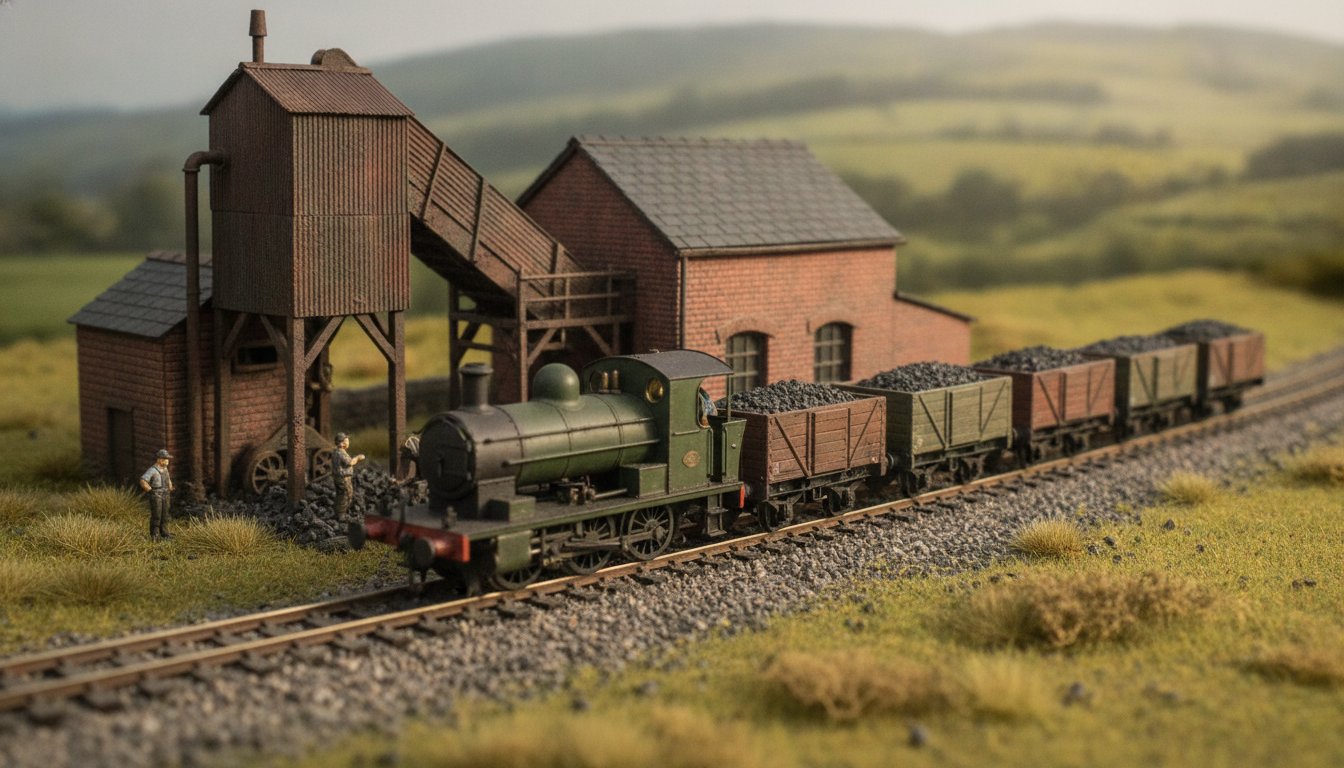
Creating Convincing Scenery for a 00 Gauge Model Railway
Scenery turns a collection of track and trains into a miniature world. In 00 gauge, where models are made to a scale of 1:76, thoughtful landscapes can make a layout feel like a real stretch of railway rather than a train set. From rolling countryside and quiet villages to busy station approaches, the key is to build in layers and pay attention to the details that bring a scene to life.
Plan the Scene Before You Build
Start by deciding what your layout represents. A particular region, railway era or type of landscape can guide choices about buildings, vegetation, signs and trackside equipment. A rural branch line might call for fields, hedgerows and a small station, while an urban layout could feature terraces, factories and retaining walls.
A simple plan also helps scenery work with the railway. Consider sightlines, access to the track and room to reach points or wiring beneath the baseboard. Leave enough space around stations and sidings for platforms, roads and other features, and avoid placing tall structures where they will obscure the trains.
Shape the Ground
Begin with the broad contours of the landscape. Cardboard strips, foam board, polystyrene or lightweight modelling materials can form hills, embankments, cuttings and riverbanks. Cover the framework with plaster cloth, paper-based modelling products or another suitable scenic surface, then allow it to dry fully before painting.
Real landscapes rarely have perfectly smooth, evenly rounded hills. Add subtle changes in height and texture, and vary the slopes. Railway engineering also leaves its mark: cuttings may have exposed rock, while embankments often show layers of grass, shrubs and scrub.
Build Up Colour and Texture
Paint the base of the scenery in earthy colours before adding grass or foliage. This helps conceal any small gaps in the scenic covering. Avoid relying on a single shade of green; real vegetation varies with the season, weather and type of ground. Mix different colours and textures to create a more natural result.
Static grass can represent fields, verges and rough ground, while fine turf and scatter materials are useful for shorter grass and soil. Apply them in patches rather than covering every surface uniformly. Hedges, bushes and trees can then add height and divide the landscape. Vary the shape and spacing of trees, and use smaller examples towards the back of the layout to suggest distance.
Add Buildings and Trackside Details
Buildings help establish the location and character of a scene. A station, signal box, goods shed or row of houses can provide a focal point, but it is worth checking that each structure is appropriate to the setting and period. Carefully placed buildings can also disguise the edges of a layout or draw the eye towards a particular area.
Small details make the railway environment more believable. Fences, gates, road signs, telegraph poles, platform lamps and mileposts all help set the scene. Use them selectively: a few well-placed details are often more effective than filling every available space.
Make Roads, Rivers and Other Features
Roads should have gentle curves and believable junctions rather than looking like strips laid across the landscape. Paint them in subdued shades, then add markings and pavements where appropriate. For a stream or river, shape the banks first and use a painted base beneath any clear water product. Real water is rarely bright blue, so muted greens, browns and greys often look more convincing.
Use Perspective to Add Depth
Because a model railway is viewed at close range, perspective can make a compact layout appear larger. Place larger buildings and trees towards the front and smaller ones further back. Gradually soften the colours in the distance, and avoid a sharp, crowded boundary at the rear of the scene. A backscene painted or printed to match the landscape can help connect the layout to the horizon.
Finish with Weathering
Freshly painted track, spotless buildings and perfectly clean roads can look out of place. Light weathering helps scenery blend together. Dust, soot, rust and faded paint can be added to structures and railway equipment with dry-brushing, washes or weathering powders. Keep the effect subtle and consistent with the location and era you are modelling.
Take Your Time
Good 00 gauge scenery is usually built gradually. Complete one area at a time, check how it looks from normal viewing height, and make adjustments before moving on. Test trains through scenic sections as work progresses, particularly around tunnels, bridges and vegetation close to the track.
With a clear plan, varied textures and carefully chosen details, even a small layout can suggest a much wider world. The most convincing scenery does not need to be complicated: it simply needs to feel coherent, thoughtfully made and suited to the railway running through it.
00 Gauge Model Railway Scenery: Frequently Asked Questions
- What materials are best for creating 00 gauge model railway scenery?
- How do I make realistic hills and embankments on a 00 gauge layout?
- How can I create convincing grass, fields and hedgerows?
- What is the best way to make realistic water for a model railway?
- How do I make a small 00 gauge layout look larger?
- How can I weather buildings, track and scenery realistically?
What materials are best for creating 00 gauge model railway scenery?
For 00 gauge model railway scenery, lightweight materials are usually easiest to work with: plywood or foam board can form the base, while polystyrene, card strips or lightweight modelling foam help shape hills and embankments. Plaster cloth or papier-mâché makes a durable surface, which can be painted in earthy colours before adding static grass, fine turf, flock and foliage to create varied ground cover. Use ready-made trees, bushes, buildings and scenic details, or make your own from wire, card and natural materials. Choose products that suit your layout and allow adhesives and paints to dry fully; when using spray products or solvent-based materials, follow the manufacturer’s safety guidance and ensure good ventilation.
How do I make realistic hills and embankments on a 00 gauge layout?
To create realistic hills and embankments on a 00 gauge layout, start with a lightweight framework made from foam board, polystyrene or cardboard strips, shaping gentle, irregular slopes rather than smooth, symmetrical mounds. Cover the framework with plaster cloth or another suitable scenic surface, then paint it in earthy shades before adding layers of grass, soil scatter and low shrubs. For railway embankments, vary the texture and colour, and include details such as exposed earth, bushes or retaining walls where appropriate. Check the scene from normal viewing height as you work, and make sure the finished slopes leave enough clearance for trains and access to the track.
How can I create convincing grass, fields and hedgerows?
To create convincing grass, fields and hedgerows on a 00 gauge layout, start with a base coat of earthy paint, then build up different shades and textures of scatter material or static grass rather than using one uniform green. Vary the grass length to suggest mown verges, pasture and rough ground, and add subtle tracks or patches of bare earth for a more natural finish. For hedgerows, combine fine foliage, small shrubs and occasional taller plants, varying their height and shape instead of making a neat, even strip. A few fence posts, gates or trees can add scale and character, while keeping colours muted and suited to the season will help the scene look realistic.
What is the best way to make realistic water for a model railway?
For realistic water on a 00 gauge model railway, begin by shaping the river, pond or stream bed and painting it in natural, muted shades such as brown, grey or green; water is rarely bright blue. Once the paint is completely dry, apply a suitable clear modelling-water product, following the manufacturer’s instructions and building up thin layers if needed. Add gentle ripples with a brush or clear gel, and keep the banks irregular with stones, reeds or vegetation. Seal the area carefully to prevent leaks, and test any materials on a small sample first.
How do I make a small 00 gauge layout look larger?
To make a small 00 gauge layout look larger, use perspective and conceal its edges. Place larger buildings, trees and details near the front, with progressively smaller features towards the back, and choose a backscene that blends naturally with the landscape. Curving the track out of sight behind hills, buildings or a bridge can suggest that it continues beyond the baseboard. Keep the scenery uncluttered, use muted colours in the distance and avoid showing the layout’s full boundary wherever possible.
How can I weather buildings, track and scenery realistically?
To weather 00 gauge buildings, track and scenery realistically, build up subtle layers rather than applying one heavy effect. Use diluted washes or weathering powders to add soot beneath chimneys and along rooflines, and light dust or grime around doors, walls and road edges. Give rails a rusty brown finish while keeping the rail tops clean, and add darker tones between sleepers. On scenery, vary the colour of grass, paths and embankments to suggest wear, mud or seasonal change. Study real examples for reference, work gradually, and test techniques on spare material first; weathering should suit the layout’s location and era without overwhelming its details.