
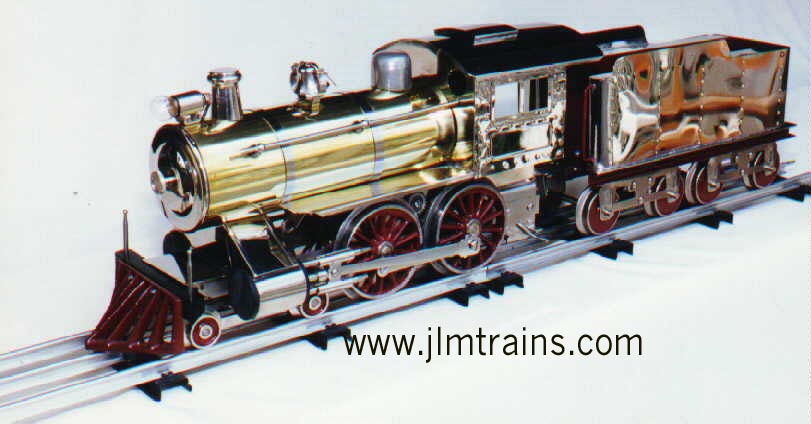
The Fascinating World of Standard Gauge Model Trains
Model trains have captivated enthusiasts of all ages for generations, offering a miniature world of locomotives, tracks, and landscapes to explore. Among the various gauges available to modellers, the standard gauge stands out as a popular choice for its realism and historical significance.
What is Standard Gauge?
Standard gauge refers to the distance between the two rails on a model railway track. In real-life railways, standard gauge typically measures 4 feet 8.5 inches (1435mm). For model trains, standard gauge models are built to a scale of 1:87 or 1:48, depending on the region and manufacturer.
The Appeal of Standard Gauge Model Trains
One of the main attractions of standard gauge model trains is their realistic proportions. The larger size allows for intricate detailing on locomotives, carriages, and scenery elements. This attention to detail enhances the overall visual appeal and authenticity of the model railway layout.
Historical Significance
Standard gauge railways played a crucial role in the development of modern transportation systems worldwide. Modelling standard gauge trains allows enthusiasts to recreate iconic locomotives and historical moments in railway history. From steam engines to diesel locomotives, standard gauge models offer a glimpse into the evolution of rail travel.
Building a Standard Gauge Model Railway
Creating a standard gauge model railway requires careful planning and craftsmanship. Modellers can choose from a wide range of locomotives, rolling stock, and accessories to build their ideal layout. Whether replicating a specific era or designing a fictional landscape, standard gauge models provide endless possibilities for creativity.
Joining the Standard Gauge Community
Enthusiasts interested in standard gauge model trains can connect with like-minded individuals through clubs, exhibitions, and online forums. These communities offer opportunities to share knowledge, showcase projects, and participate in collaborative events that celebrate the artistry and craftsmanship of model railways.
Whether you are an experienced modeller or new to the hobby, exploring the world of standard gauge model trains opens up a world of creativity and imagination. With its blend of realism and historical significance, standard gauge modelling continues to inspire enthusiasts around the globe.
Exploring Standard Gauge Model Trains: Answers to 7 Common Questions
- What is standard gauge in model trains?
- What scale are standard gauge model trains typically built to?
- Why are standard gauge model trains popular among enthusiasts?
- How do I choose the right locomotives and rolling stock for a standard gauge layout?
- Are there specific historical eras that are commonly recreated in standard gauge modelling?
- What tools and materials are essential for building a standard gauge model railway?
- Where can I find resources and communities to connect with other standard gauge model train enthusiasts?
What is standard gauge in model trains?
Standard gauge in model trains refers to the standard distance between the two rails on a model railway track, typically based on the real-life railway standard of 4 feet 8.5 inches (1435mm). Model trains built to standard gauge are designed to replicate this scale proportionately, often at a scale of 1:87 or 1:48. This gauge size allows for greater detail and realism in locomotives, carriages, and scenery elements, making standard gauge models a popular choice among enthusiasts seeking authenticity and historical accuracy in their model railway layouts.
What scale are standard gauge model trains typically built to?
Standard gauge model trains are typically built to a scale of 1:87 or 1:48, depending on the region and manufacturer. This scale represents the ratio between the size of the model train and its real-life counterpart, allowing modellers to create detailed and realistic layouts that capture the essence of standard gauge railways. By adhering to these standard scales, enthusiasts can ensure compatibility between different models and accessories, making it easier to construct cohesive and visually appealing model railway layouts.
Why are standard gauge model trains popular among enthusiasts?
Standard gauge model trains are popular among enthusiasts for several reasons. One key factor is their realistic proportions, allowing for intricate detailing on locomotives and scenery elements. The larger size of standard gauge models enhances the visual appeal and authenticity of the layout, attracting modellers who appreciate attention to detail. Additionally, standard gauge railways have a rich historical significance, offering enthusiasts the opportunity to recreate iconic locomotives and moments in railway history. The versatility of standard gauge modelling, from replicating specific eras to designing fictional landscapes, provides endless creative possibilities that engage and inspire enthusiasts of all levels.
How do I choose the right locomotives and rolling stock for a standard gauge layout?
When selecting locomotives and rolling stock for a standard gauge model railway layout, it is essential to consider factors such as historical accuracy, scale compatibility, and personal preferences. Researching the specific era or region you wish to replicate can guide your choices, ensuring that the locomotives and rolling stock align with the prototype you aim to recreate. Additionally, matching the scale of the models to the track gauge is crucial for maintaining realism and proportionality within the layout. Whether you prefer steam engines from a bygone era or modern diesel locomotives, choosing the right locomotives and rolling stock enhances the authenticity and charm of your standard gauge model railway.
Are there specific historical eras that are commonly recreated in standard gauge modelling?
In standard gauge modelling, enthusiasts often recreate specific historical eras to capture the essence of different periods in railway history. Commonly depicted historical eras include the steam era, where iconic steam locomotives dominated the tracks, evoking a sense of nostalgia for the golden age of rail travel. The transition to diesel and electric traction in the mid-20th century is another popular theme, showcasing the evolution of technology and design in locomotives. Additionally, modellers frequently recreate scenes from significant historical events such as World War II or the heyday of railway expansion, offering a glimpse into the past through meticulously crafted standard gauge model trains and layouts.
What tools and materials are essential for building a standard gauge model railway?
When embarking on the journey of building a standard gauge model railway, it is essential to have a selection of tools and materials to bring your vision to life. Key tools include precision knives for cutting and shaping, tweezers for delicate handling, a quality glue for secure assembly, and a reliable paint set for adding realistic details. Materials such as sturdy baseboards, track components, locomotives, rolling stock, scenic elements like trees and buildings, as well as wiring for electrical connections are fundamental for creating a cohesive and visually appealing standard gauge model railway layout. Investing in high-quality tools and materials ensures smooth construction processes and enables modellers to craft intricate and captivating scenes that capture the essence of real railways.
Where can I find resources and communities to connect with other standard gauge model train enthusiasts?
For enthusiasts seeking resources and communities to engage with fellow standard gauge model train enthusiasts, there are several avenues to explore. Online forums and social media groups dedicated to model railways often provide a platform for sharing knowledge, seeking advice, and connecting with like-minded individuals passionate about standard gauge modelling. Additionally, local model railway clubs and hobby shops may host events, workshops, and exhibitions that offer opportunities to meet and collaborate with other enthusiasts in person. By actively participating in these communities, modellers can enrich their hobby experience, exchange ideas, and forge lasting connections with fellow standard gauge model train enthusiasts.