
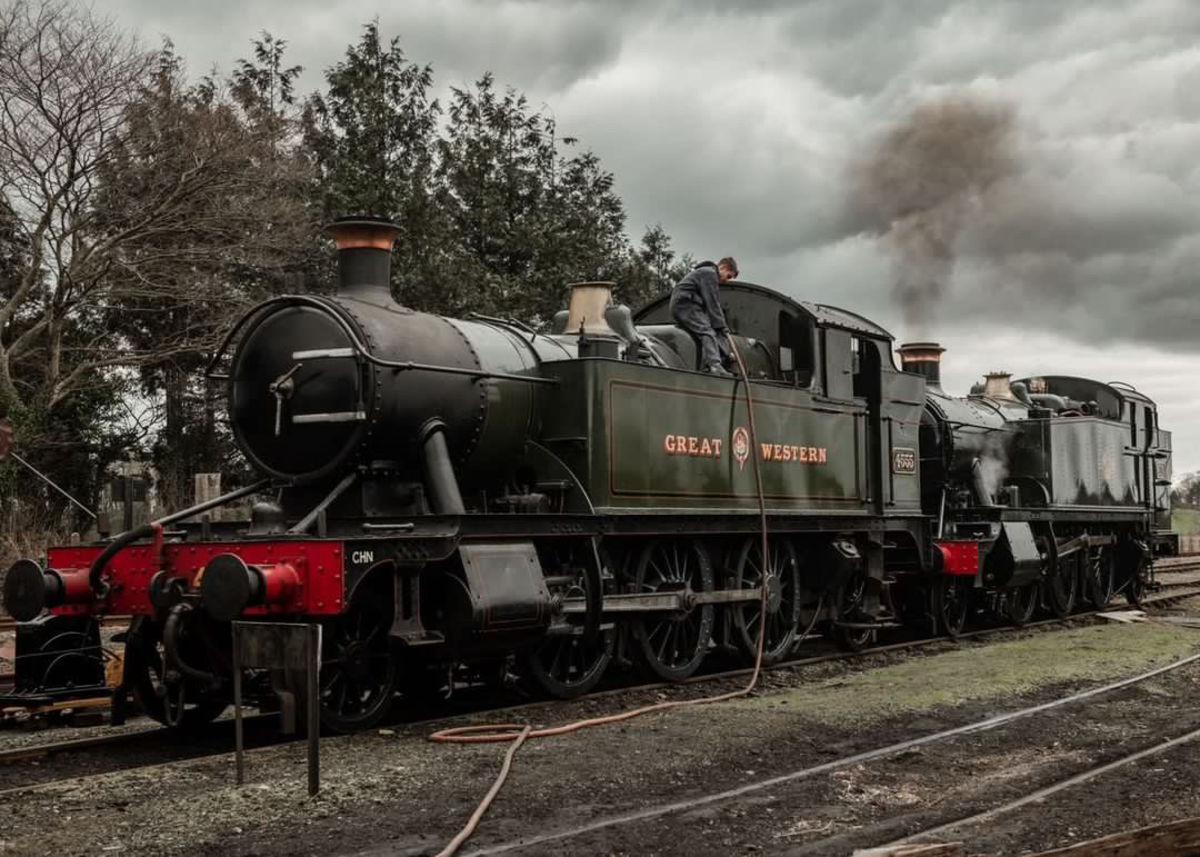
The Charm of Small Steam Locomotives
Small steam locomotives, though diminutive in size, hold a special place in the hearts of railway enthusiasts and historians alike. These compact engines, often referred to as ‘tank engines’ due to their water tanks being mounted on the locomotive itself, exude a unique charm and evoke a sense of nostalgia for a bygone era of rail travel.
One of the defining features of small steam locomotives is their versatility. Despite their smaller stature compared to their larger counterparts, these locomotives were used in various settings, from industrial operations to branch lines serving rural communities. Their ability to navigate tight curves and negotiate steep gradients made them indispensable for tasks that required agility and power in equal measure.
Furthermore, small steam locomotives often showcase exquisite craftsmanship and intricate detailing. From ornate brass fittings to polished paintwork, these engines are a testament to the skill and dedication of the engineers and craftsmen who built them. Each locomotive carries its own unique history and character, adding to the allure of these mechanical marvels.
Today, small steam locomotives continue to captivate audiences at heritage railways and preserved railway sites around the world. Enthusiasts young and old flock to witness these majestic machines in action, their rhythmic chuffing and billowing smoke creating an atmosphere redolent of a bygone era.
Whether chugging along scenic countryside tracks or hauling vintage carriages on special excursions, small steam locomotives embody the spirit of adventure and discovery that is synonymous with rail travel. Their enduring appeal serves as a reminder of the rich heritage and legacy of steam railways that continues to inspire generations of railway enthusiasts.
Essential Tips for Maintaining and Operating a Small Steam Locomotive
- Regularly inspect and maintain the boiler, wheels, and other components for optimal performance.
- Ensure proper lubrication of moving parts to prevent wear and tear.
- Follow safety guidelines when operating the steam locomotive to avoid accidents.
- Clean the locomotive after each use to remove dirt and debris that can affect its functionality.
- Monitor water levels in the boiler to prevent overheating and potential damage.
- Check fuel levels before each operation to ensure uninterrupted running of the locomotive.
- Store the steam locomotive in a dry and covered area to protect it from rust and corrosion.
- Join a local steam enthusiasts club or group for support, advice, and camaraderie.
Regularly inspect and maintain the boiler, wheels, and other components for optimal performance.
To ensure the optimal performance of a small steam locomotive, it is essential to conduct regular inspections and maintenance checks on key components such as the boiler, wheels, and other vital parts. By keeping a close eye on these critical elements, enthusiasts can identify and address any issues promptly, ensuring that the locomotive operates smoothly and efficiently. Regular maintenance not only enhances the performance of the locomotive but also prolongs its lifespan, allowing enthusiasts to continue enjoying the charm and nostalgia of these beloved mechanical marvels for years to come.
Ensure proper lubrication of moving parts to prevent wear and tear.
To maintain the optimal performance and longevity of small steam locomotives, it is crucial to ensure the proper lubrication of moving parts. Adequate lubrication helps reduce friction between components, preventing excessive wear and tear that can compromise the locomotive’s efficiency and durability. Regularly checking and lubricating key moving parts such as pistons, bearings, and valve gear not only enhances the locomotive’s operational smoothness but also preserves its historical significance for future generations to appreciate.
Follow safety guidelines when operating the steam locomotive to avoid accidents.
It is crucial to adhere to safety guidelines when operating a small steam locomotive to prevent accidents and ensure the well-being of both operators and bystanders. By following established safety protocols, such as proper maintenance checks, maintaining a safe distance from moving parts, and using protective gear, operators can mitigate risks associated with steam locomotive operation. Prioritising safety not only safeguards individuals involved but also upholds the integrity and longevity of these historical machines, allowing enthusiasts to continue enjoying the beauty and nostalgia of small steam locomotives for years to come.
Clean the locomotive after each use to remove dirt and debris that can affect its functionality.
It is essential to clean the small steam locomotive thoroughly after each use to eliminate accumulated dirt and debris that may compromise its functionality. Regular cleaning not only helps maintain the locomotive’s appearance but also ensures that its intricate components operate smoothly. By removing dirt and debris promptly, you can prevent potential issues such as clogging of mechanisms or corrosion, thereby extending the lifespan of the locomotive and preserving its performance for years to come.
Monitor water levels in the boiler to prevent overheating and potential damage.
Monitoring water levels in the boiler of a small steam locomotive is crucial to ensure safe operation and prevent overheating and potential damage. Adequate water levels are essential for the proper functioning of the boiler, as water acts as a coolant and helps regulate steam pressure. By regularly checking and maintaining the water levels, locomotive operators can safeguard against overheating, which can lead to serious mechanical issues and compromise the safety of both the locomotive and its passengers. Vigilance in monitoring water levels is key to preserving the longevity and efficiency of a small steam locomotive.
Check fuel levels before each operation to ensure uninterrupted running of the locomotive.
It is essential to check the fuel levels of a small steam locomotive before each operation to guarantee uninterrupted running of the locomotive. Adequate fuel is crucial for maintaining steam pressure and powering the engine efficiently throughout its operation. By regularly monitoring and refilling the fuel supply, operators can ensure that the locomotive runs smoothly and reliably, preserving its performance and preventing unexpected interruptions during use. This simple yet vital maintenance tip helps to optimise the locomotive’s functionality and prolong its lifespan for continued enjoyment on the tracks.
Store the steam locomotive in a dry and covered area to protect it from rust and corrosion.
It is essential to store your small steam locomotive in a dry and covered area to shield it from rust and corrosion. By safeguarding the locomotive from moisture and environmental elements, you can preserve its integrity and prolong its lifespan. Proper storage not only maintains the aesthetic appeal of the locomotive but also ensures that its mechanical components remain in optimal condition, allowing you to enjoy its charm for years to come.
Join a local steam enthusiasts club or group for support, advice, and camaraderie.
For those fascinated by small steam locomotives, a valuable tip is to consider joining a local steam enthusiasts club or group. By becoming part of such a community, individuals can benefit from invaluable support, expert advice, and the camaraderie of like-minded enthusiasts. These clubs provide a platform for sharing knowledge, exchanging ideas, and fostering a deeper appreciation for these charming locomotives. Whether seeking technical guidance or simply looking to connect with fellow steam aficionados, joining a local enthusiasts club can enhance one’s enjoyment and understanding of small steam locomotives.