
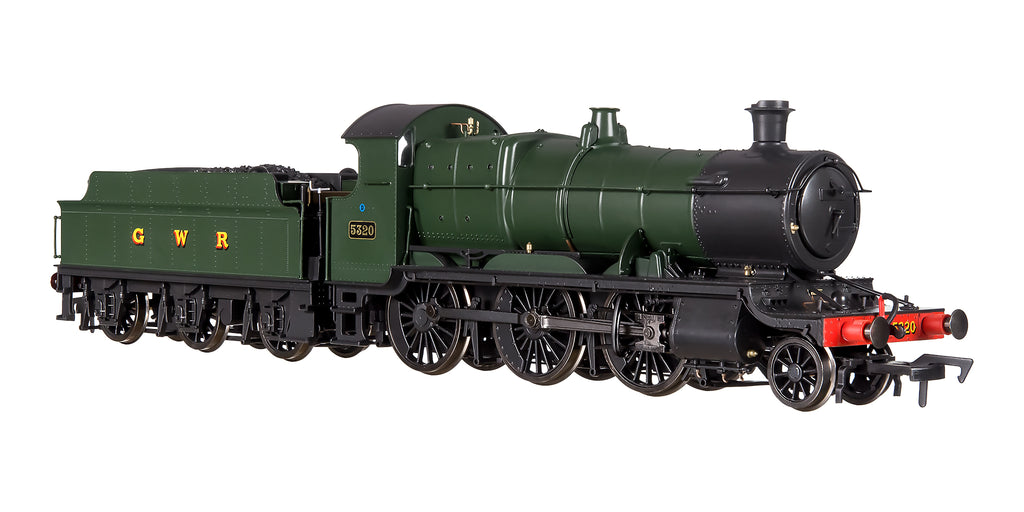
N Gauge GWR Locomotives: A Guide for Modellers
Great Western Railway locomotives have a distinctive place in Britain’s railway heritage. From the grandeur of a Castle class express engine to the everyday usefulness of a pannier tank, GWR designs offer plenty of character for a model railway. In N gauge, they bring that variety to compact layouts, where a small station or stretch of main line can evoke the atmosphere of the Great Western.
What is N gauge?
In the UK, N gauge models are usually made to a scale of 1:148 and run on track with a gauge of 9 mm. The small scale allows modellers to create longer trains and broader-looking landscapes in a limited space. It also makes N gauge well suited to recreating the GWR’s sweeping main lines, country branches and busy yards.
GWR locomotives to look for
The Great Western Railway operated a wide range of steam locomotives, and many of its best-known types have been represented in N gauge. Popular choices include:
- Castle class: powerful express engines associated with long-distance passenger services.
- Hall class: versatile mixed-traffic locomotives, at home on both passenger and goods trains.
- Manor and Grange classes: useful, handsome engines that suit main-line and regional scenes.
- King class: imposing express locomotives, ideal as the centrepiece of a larger layout.
- Prairie tanks: including small and large Prairie types, often seen on suburban and branch-line duties.
- Pannier tanks: compact, practical engines that worked passenger trains, shunting duties and local goods services.
- Dean Goods and 2251 class: goods locomotives that add variety to freight and rural scenes.
Availability varies, and models may be offered in different liveries or production runs. Manufacturers such as Graham Farish and Dapol have produced British N gauge locomotives, including GWR prototypes. Checking current catalogues and second-hand listings is a good way to find a particular class, finish or era.
Choosing a model for your layout
Start with the period you want to represent. A layout set in the GWR era might feature chocolate-and-cream passenger coaches, goods stock and locomotives in Great Western liveries. A scene set after the railway’s 1948 nationalisation can include locomotives carrying British Railways markings, as well as older GWR designs still in service.
Think about the space and track plan, too. Large express engines look impressive, but they need suitable curves and enough room to run with passenger stock. Tank engines and smaller goods locomotives can be more at home on compact branch-line layouts. Always check a model’s recommended minimum radius and compatibility with the track and couplings on your railway.
Detail, maintenance and running
N gauge models are small, but careful detailing can make a noticeable difference. Weathering, crew figures, suitable coaches and period-appropriate goods wagons help a locomotive feel part of a convincing scene. Handle models gently, particularly around fine handrails and other delicate fittings.
Reliable running also depends on clean track, correctly laid points and regular care of the locomotive. Before buying a pre-owned model, check its condition and, where possible, test it at a range of speeds. A well-maintained engine should run smoothly and suit the job it is intended to do.
Bringing the Great Western to life
N gauge GWR locomotives make it possible to represent everything from a busy express main line to a quiet country branch. With the right combination of engines, rolling stock and scenery, even a modest layout can capture the variety and atmosphere of Great Western railway life. Whether the favourite is a mighty Castle or a hard-working pannier tank, there is a GWR locomotive to suit almost every N gauge railway.
8 Essential Tips for Choosing and Caring for N Gauge GWR Locomotives
- Check the locomotive’s minimum curve radius before buying.
- Match the model’s era to your GWR layout.
- Allow a new locomotive to run in gently in both directions.
- Keep wheels and rails clean for reliable running.
- Use light oil sparingly on the manufacturer’s recommended points.
- Check that couplings suit your rolling stock.
- Choose a compatible decoder before fitting DCC.
- Store locomotives in a dry, dust-free place.
Check the locomotive’s minimum curve radius before buying.
Before buying an N gauge GWR locomotive, check its recommended minimum curve radius and compare it with the tightest curves on your layout. Larger engines and longer wheelbases may struggle on sharp bends, causing poor running or derailments, while smaller tank locomotives are often better suited to compact layouts. Checking first helps ensure your chosen model will run smoothly on your existing track.
Match the model’s era to your GWR layout.
Match your N gauge GWR locomotive to the era of your layout to create a convincing scene. Look at its livery, lettering and details, then check that they suit the period you are modelling—for example, a pre-nationalisation Great Western setting or the years after British Railways took over in 1948. Pairing the locomotive with appropriate coaches, wagons and trackside details will help the whole layout feel consistent and believable.
Allow a new locomotive to run in gently in both directions.
When you get a new N gauge GWR locomotive, allow it to run in gently before putting it to work on a long train. Run it at a low, steady speed on clean, level track, then repeat in the opposite direction. This helps the moving parts settle in and gives you a chance to check that the locomotive runs smoothly, responds reliably and shows no signs of binding or unusual noise. Follow the manufacturer’s instructions, as recommended running-in times and procedures can vary between models.
Keep wheels and rails clean for reliable running.
For reliable running, keep both locomotive wheels and track rails clean. Dust, oil and grime can interrupt electrical contact, causing an N gauge GWR locomotive to hesitate, stutter or stop. Use a suitable track-cleaning method and a soft, appropriate tool for the wheels, taking care not to damage delicate parts. A quick clean before operating can help your trains run smoothly and consistently.
Use light oil sparingly on the manufacturer’s recommended points.
Apply light oil sparingly, and only to the points recommended by the locomotive’s manufacturer. Too much oil can attract dust, affect electrical contact or interfere with smooth running, so use a fine applicator and check the model’s instructions before lubricating it.
Check that couplings suit your rolling stock.
When choosing an N gauge GWR locomotive, check that its couplings are compatible with the coaches and wagons on your layout. Different manufacturers and models may use different coupling types, which can make it difficult to connect stock or run trains reliably. If necessary, look for compatible replacement couplings or conversion options before buying, and test them on your track to ensure they couple and uncouple smoothly.
Choose a compatible decoder before fitting DCC.
Before fitting DCC to an N gauge GWR locomotive, choose a decoder that is compatible with the model’s motor, wiring and available space. Check the manufacturer’s guidance and the locomotive’s instructions, as some models have a dedicated decoder socket while others may need a smaller wired decoder or professional installation. Confirming the decoder’s dimensions and electrical requirements first can help prevent damage and ensure smooth, reliable running.
Store locomotives in a dry, dust-free place.
Store N gauge GWR locomotives in a dry, dust-free place to help protect their delicate mechanisms, paintwork and fine details. Keep each model in its original box or a suitable storage case, away from damp, direct sunlight and sudden changes in temperature. Before putting a locomotive away, make sure it is clean and dry; this simple habit can help keep it in good condition and ready to run.