
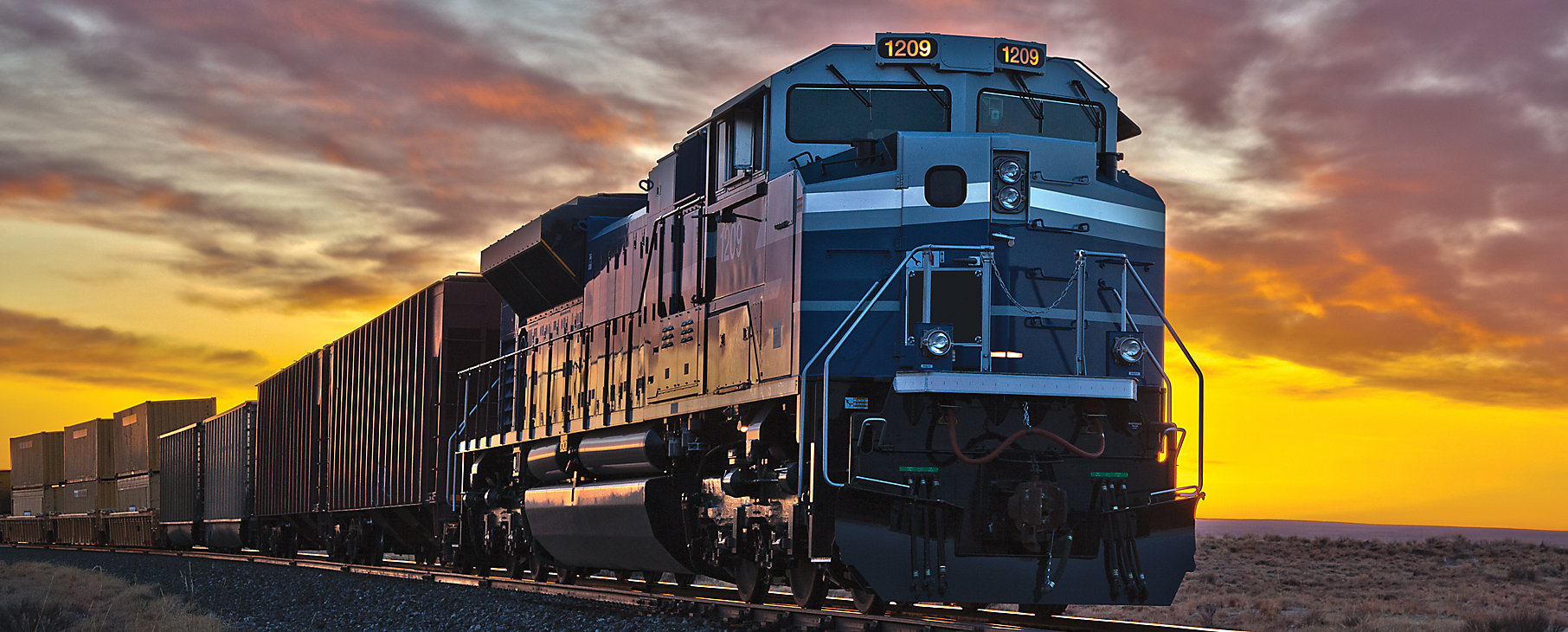
The Fascinating World of Locomotives
From the humble beginnings of steam engines to the sleek and powerful machines of today, locomotives have played a crucial role in shaping the world’s transportation systems. A locomotive is a self-propelled vehicle that pulls or pushes railway cars or trains along tracks, providing an efficient and reliable mode of transportation for both passengers and goods.
The history of locomotives dates back to the early 19th century when steam-powered engines revolutionised the way people travelled and transported goods. These early locomotives relied on coal or wood to generate steam, which powered pistons to drive the wheels forward. Over time, advancements in technology led to the development of diesel and electric locomotives, offering greater speed, efficiency, and environmental benefits.
Modern locomotives come in various shapes and sizes, designed for different purposes such as freight transportation, passenger services, or high-speed rail networks. They are equipped with advanced features like computerised controls, aerodynamic designs, and energy-efficient systems to enhance performance and reduce emissions.
Not only are locomotives practical for transporting goods and people over long distances, but they also hold a special place in popular culture and nostalgia. Model train enthusiasts recreate miniature versions of these iconic machines, while train spotters gather at railway stations to catch a glimpse of rare or historic locomotives passing by.
As we look towards the future of transportation, locomotives continue to evolve with cutting-edge technologies such as maglev trains and hybrid propulsion systems. These innovations promise faster speeds, lower operating costs, and reduced environmental impact, ensuring that locomotives remain a vital part of our interconnected world.
Whether you admire them for their engineering marvels or simply enjoy the rhythmic chug-chug sound as they glide along the tracks, there is no denying the enduring appeal of locomotives as symbols of progress and adventure.
Understanding Locomotives: Key Questions Answered
- What is a locomotive?
- How does a steam locomotive work?
- What are the different types of locomotives?
- What is the history of locomotives?
- How fast can a locomotive travel?
What is a locomotive?
A locomotive is a self-propelled vehicle that pulls or pushes railway cars or trains along tracks. It serves as the powerhouse of a train, providing the necessary force to move the entire set of carriages efficiently and safely from one point to another. Locomotives can be powered by steam, diesel, or electricity, with each type offering unique advantages in terms of speed, efficiency, and environmental impact. These iconic machines have been a cornerstone of transportation systems worldwide for centuries, embodying both innovation and tradition in their design and operation.
How does a steam locomotive work?
Steam locomotives work by harnessing the power of steam to propel the train forward. The process begins with burning coal or wood in the locomotive’s firebox to heat water stored in a boiler. As the water boils and turns into steam, it builds up pressure, which is then directed through pipes to cylinders located at the front of the locomotive. The high-pressure steam pushes pistons inside the cylinders, causing them to move back and forth. This motion is transferred to the driving wheels of the locomotive, turning them and creating forward motion. Steam locomotives also use valves to control the flow of steam and regulate speed, allowing them to pull heavy loads or travel at different speeds as needed. The iconic chugging sound produced by a steam locomotive is a result of this rhythmic process of steam expansion and piston movement that has captivated generations of railway enthusiasts.
What are the different types of locomotives?
When exploring the world of locomotives, it’s common to wonder about the various types that exist. Locomotives can be categorised into different classes based on their power source and design. Some of the main types include steam locomotives, which use steam generated from boiling water to drive pistons; diesel locomotives, powered by diesel engines that turn electric generators to propel the train; and electric locomotives, which draw power from overhead wires or a third rail to drive electric motors. Each type has its own unique characteristics and advantages, contributing to the rich diversity found in the fascinating realm of locomotive engineering.
What is the history of locomotives?
The history of locomotives is a captivating journey through time, tracing back to the early 19th century when steam-powered engines revolutionised transportation. The invention of the steam locomotive by pioneers like George Stephenson marked a significant milestone in the development of railway systems, enabling faster and more efficient movement of goods and passengers. Over the years, locomotive technology has evolved from steam to diesel and electric power, with each innovation bringing improvements in speed, capacity, and sustainability. The rich history of locomotives reflects not only advancements in engineering but also the profound impact they have had on shaping modern society’s infrastructure and connectivity.
How fast can a locomotive travel?
One of the frequently asked questions about locomotives is regarding their speed capabilities. The speed at which a locomotive can travel depends on various factors such as the type of locomotive, track conditions, and operational requirements. Generally, conventional diesel or electric locomotives used for freight services can reach speeds of up to 60-70 miles per hour (96-112 km/h), while high-speed passenger trains like those found in Europe and Japan can exceed 200 miles per hour (320 km/h). Specialised locomotives, such as those used for record-breaking attempts or experimental purposes, may achieve even higher speeds. Ultimately, the maximum speed of a locomotive is determined by a combination of technical specifications and safety considerations to ensure efficient and reliable operation on the railway network.