
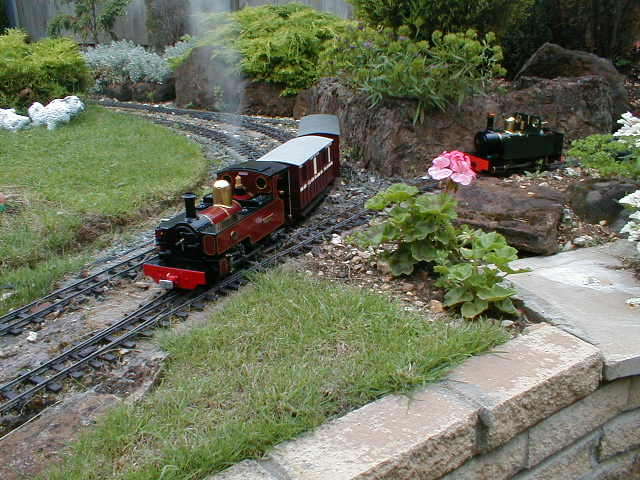
16mm Garden Railways: A Narrow-Gauge World in the Garden
A 16mm garden railway brings the character of a narrow-gauge railway outdoors. Built to a scale of 16 millimetres to one foot, it turns a garden into a miniature landscape of trains, tracks, bridges and stations. The result can be a small, simple loop or an elaborate railway with several routes and carefully detailed scenery.
What does “16mm” mean?
The name refers to the scale: each foot on the real railway is represented by 16 millimetres on the model. This is approximately 1:19 scale. Many 16mm models represent narrow-gauge railways, which ran on tracks narrower than the standard gauge used by most of Britain’s mainline railways.
Track gauge depends on the railway being modelled. Two common choices are 32mm gauge, often used to represent 2-foot narrow-gauge lines, and 45mm gauge, which can represent wider narrow-gauge lines. The best combination depends on the models and railway you want to create.
Choosing a locomotive
One of the attractions of 16mm modelling is the choice of power. Some locomotives run on batteries, while others use electric power supplied through the rails. Live-steam locomotives are also popular, offering the sounds, movement and operating routines of a working miniature steam engine.
Each type has its own appeal. Battery-powered locomotives are convenient outdoors and do not rely on clean track for electrical contact. Electric models are straightforward to operate, while live steam offers a hands-on experience that many enthusiasts particularly enjoy. Consider how much time you want to spend preparing, operating and maintaining your trains when choosing a system.
Planning a railway for the garden
A successful garden railway starts with a practical plan. Think about the space available, the route of the track and how easily you can reach the whole layout for maintenance. A continuous loop is a good starting point, while sidings and passing loops can add variety as your railway develops.
Outdoor track needs a firm, well-drained foundation. Weather, soil movement, leaves and garden growth can all affect the railway, so allow room to inspect and clean the line. Gentle curves and gradual gradients will help locomotives run reliably, especially when hauling a train of carriages or wagons.
Creating the scenery
Plants, rocks, water features and garden structures can all become part of the railway landscape. Because 16mm models are relatively large, scenery does not need to be exact in every detail to create an effective impression. Low-growing plants can suggest trees and hedgerows, while stonework and timber structures provide a convincing sense of scale.
It is worth choosing plants that suit the local climate and can be kept under control. Fast-growing roots and branches may encroach on the track, so regular trimming is often part of garden railway maintenance. Buildings and other details should also be made from materials suitable for outdoor conditions, or stored under cover when not in use.
A hobby to build over time
There is no need to complete a large layout all at once. Many garden railway owners begin with a basic circuit and add stations, sidings, bridges and scenic details as their interests evolve. The railway can be designed around a particular prototype, inspired by a real narrow-gauge line, or built as an imaginative fictional route.
A 16mm garden railway combines engineering, modelling and gardening in one engaging hobby. Whether you prefer the quiet satisfaction of watching a train circle the garden or the detailed operation of a miniature railway, it offers plenty of scope for creativity and enjoyment.
9 Benefits of 16mm Garden Railways
- Brings railway modelling into the garden.
- Offers impressive, easy-to-see models.
- Suits live-steam, electric and battery trains.
- Encourages creative landscaping.
- Can start small and grow over time.
- Makes outdoor spaces more engaging.
- Offers relaxing, hands-on enjoyment.
- Provides room for realistic railway operation.
- Is fun to share with family and friends.
16mm Garden Railway Drawbacks: Cost, Upkeep and Space Requirements
- Can be expensive to build and maintain.
- Outdoor track needs regular cleaning and upkeep.
- Large-scale models require plenty of garden space.
Brings railway modelling into the garden.
A 16mm garden railway brings railway modelling out of the house and into the garden, where trains can wind through real plants, around rockeries and beneath bridges. The outdoor setting adds a sense of space and movement that is difficult to recreate indoors, while letting you enjoy your models in the fresh air and see the railway change with the seasons.
Offers impressive, easy-to-see models.
One of the great advantages of a 16mm garden railway is the impressive size of its models. Locomotives, carriages and scenery are easy to see from a distance, making the railway enjoyable to watch without having to lean over tiny details. Their generous scale also gives builders plenty of room to add realistic features, from locomotive fittings to station signs, while helping trains stand out beautifully in the garden.
Suits live-steam, electric and battery trains.
One of the great advantages of a 16mm garden railway is its versatility: it can accommodate live-steam, electric and battery-powered trains. This gives enthusiasts plenty of choice, whether they enjoy the hands-on ritual of operating a steam locomotive, prefer the simplicity of electric running, or value the freedom of battery power outdoors. Different types of locomotive can often share the same railway, making it easy to choose the experience that best suits the day.
Encourages creative landscaping.
A 16mm garden railway encourages creative landscaping by turning the garden into a miniature world to shape and develop. Plants, rocks, paths and water features can become hillsides, woodland, riverbanks or station gardens, while bridges and buildings add character to the route. The generous scale makes it possible to combine railway modelling with real gardening, creating a distinctive outdoor scene that can grow and change over time.
Can start small and grow over time.
One of the great advantages of a 16mm garden railway is that you can start small and expand it over time. A simple track loop and a locomotive are enough to get you going; later, you can add sidings, stations, bridges and scenery as your space, budget and interests allow. This gradual approach makes the hobby accessible and gives your railway room to develop with you.
Makes outdoor spaces more engaging.
A 16mm garden railway makes an outdoor space more engaging by giving it a lively focal point to explore and enjoy. Winding tracks, miniature stations and trains moving through planted areas add interest to the garden, while inviting family and visitors to pause, watch and discover the details. It can also encourage more time outdoors, as the railway becomes a welcoming setting for relaxing, gardening and sharing the hobby.
Offers relaxing, hands-on enjoyment.
A 16mm garden railway offers relaxing, hands-on enjoyment, combining the pleasure of being outdoors with the satisfaction of running and caring for miniature trains. From setting the locomotives in motion to tending the track and scenery, each task provides a welcome chance to slow down, focus and enjoy the hobby at your own pace.
Provides room for realistic railway operation.
The generous size of a 16mm garden railway provides room for more realistic railway operation. Longer trains can run through the garden, while features such as passing loops, sidings, stations and goods yards allow for varied movements and timetabled services. This extra space makes it easier to recreate the feel of a working narrow-gauge railway, from shunting wagons to stopping at platforms along the route.
Is fun to share with family and friends.
A 16mm garden railway is even more enjoyable when shared with family and friends. There’s something for everyone, from watching a little train wind through the garden to helping build scenery, plan a route or operate the locomotives. It’s a welcoming hobby that brings people together, creates lasting memories and gives visitors a miniature world to explore.
Can be expensive to build and maintain.
A 16mm garden railway can be expensive to build and maintain. Locomotives, rolling stock, track and control equipment can involve a significant initial outlay, while landscaping, weather-resistant structures and track foundations add to the cost. Ongoing maintenance may also require replacement parts, repairs and regular work to keep the line clear and running reliably outdoors.
Outdoor track needs regular cleaning and upkeep.
One drawback of a 16mm garden railway is the regular cleaning and upkeep its outdoor track requires. Leaves, dirt, moss and other debris can build up on the rails, while rain, frost and shifting ground may affect the track over time. Regular checks, cleaning and minor repairs help keep trains running smoothly, but they can add to the time and effort needed to enjoy the railway.
Large-scale models require plenty of garden space.
One drawback of a 16mm garden railway is the amount of space its large-scale models need. Locomotives, carriages and track are considerably bigger than those used in smaller scales, so even a modest layout can take up a significant part of the garden. This may limit the route length, scenery and other features you can include, particularly in a compact outdoor space.