
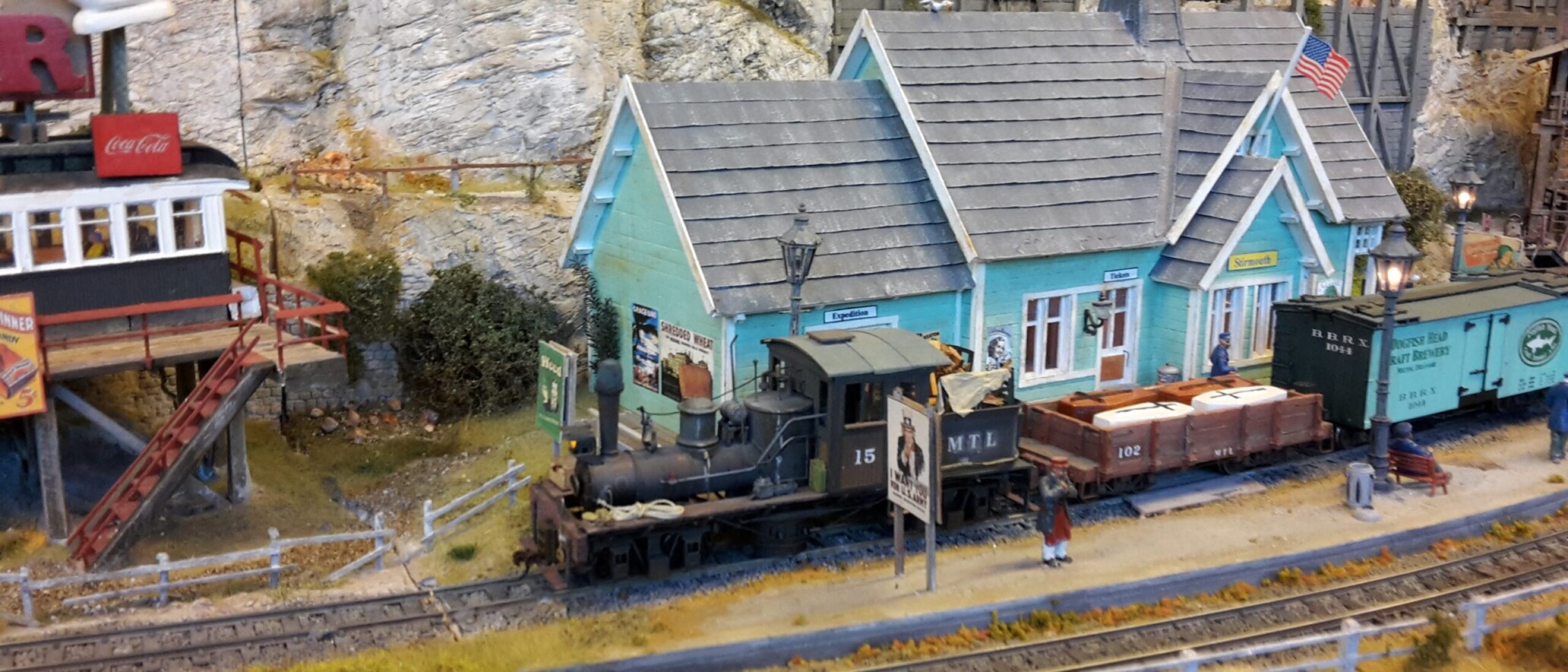
0 Gauge Model Railways: A Guide to Britain’s Larger-Scale Trains
0 gauge model railways offer a striking way to enjoy the world of miniature trains. Larger and more detailed than the popular OO scale, they give modellers room to bring locomotives, rolling stock and railway scenes to life. Whether you are considering your first layout or looking to explore a new scale, 0 gauge has plenty to offer.
What is 0 gauge?
In the UK, 0 gauge is usually modelled at a scale of 7 mm to 1 foot, or approximately 1:43.5. The track has a gauge of 32 mm. The term “gauge” describes the distance between the rails, while “scale” describes how large the model is compared with the real thing.
Standards can vary between countries. For example, American O scale is commonly 1:48, while some European models use other scales. When buying trains or track, it is worth checking that the products are designed to work together.
Why choose 0 gauge?
The larger size allows for crisp detailing and a strong visual presence. Locomotive features, carriage interiors and trackside scenery can be easier to see and work on than in smaller scales. Many modellers also enjoy the satisfying feel of handling larger models and the opportunity to add individual details.
There is a wide range of subjects to model, from steam-era branch lines and busy main lines to modern freight services. A layout can be built around a particular railway, location or period, or simply bring together trains and scenery that appeal to you.
Planning a layout
Because the models are larger, 0 gauge needs more space than smaller scales. A continuous circuit can take up a sizeable area, but a compact shunting layout, station scene or end-to-end railway can work well in a modest room. Careful planning helps make the best use of available space.
Before building, consider the layout’s track plan, the size of the trains you want to run and how you will reach different sections. Reliable trackwork is important: smooth curves, secure joints and a stable base all help trains run well. Also allow enough room for scenery, buildings and the practical tasks of wiring and maintenance.
Building, detailing and operation
Ready-to-run locomotives and rolling stock make it possible to start operating trains quickly. Kits and scratch-building offer another route, giving modellers the chance to assemble or create models themselves. Many enthusiasts combine approaches, running purchased models alongside customised or handmade additions.
Digital Command Control (DCC) can provide independent control of multiple locomotives on the same track, as well as sound and lighting features. Traditional direct-current control is also used. The right choice depends on the layout, budget and style of operation you prefer.
Things to consider
0 gauge models and accessories are generally larger and can cost more than those in smaller scales. They also need more storage and layout space. On the other hand, the scale can be especially rewarding for hands-on modelling, detailed scenery and realistic train operation.
It is sensible to begin with a clear plan and build gradually. A simple first project can help you learn about track, wiring and scenery before you invest in a larger layout. Visiting a model railway exhibition or talking to local modellers can also provide useful ideas and practical advice.
A scale with room to create
0 gauge combines impressive models with plenty of scope for creativity. From a small shunting scene to a detailed railway layout, it offers a rewarding way to explore railway history, engineering and landscape modelling. With thoughtful planning, it can be a wonderfully engaging hobby for beginners and experienced modellers alike.
7 Essential Tips for Your 0 Gauge Model Railway
- Check whether your models use the 32 mm or 33 mm track standard.
- Allow generous curves for long coaches and locomotives.
- Plan track spacing carefully to prevent buffers clashing.
- Use sturdy boards to support the heavier models.
- Test pointwork with your longest vehicles before fixing it down.
- Keep rails clean for reliable running.
- Add realistic weathering to bring the layout to life.
Check whether your models use the 32 mm or 33 mm track standard.
Before buying track or rolling stock, check whether your 0 gauge models are designed for 32 mm or 33 mm track. Although both standards are used, they are not always compatible, and mixing them can affect how trains run. Confirm the manufacturer’s specifications and match your track, wheels and other components to the same standard.
Allow generous curves for long coaches and locomotives.
Allow generous curves when planning a 0 gauge layout, especially if you want to run long coaches or locomotives. Broad curves look more realistic and help larger models travel smoothly, reducing the risk of derailments, buffer lock and excessive overhang. Check the minimum curve radius recommended by the model’s manufacturer, and test the track with your longest vehicles before fixing it permanently.
Plan track spacing carefully to prevent buffers clashing.
Plan track spacing carefully on a 0 gauge layout, particularly on curves, where the overhang of locomotives and carriages can bring neighbouring trains closer together than expected. Leave enough clearance between tracks to prevent buffers from clashing, and test the spacing with your longest vehicles before fixing the track in place.
Use sturdy boards to support the heavier models.
Use sturdy, level boards to support a 0 gauge layout, as the larger locomotives and rolling stock can be considerably heavier than models in smaller scales. A firm base helps prevent the track from sagging or shifting, keeps trains running smoothly and provides a stable foundation for scenery. Before laying the track, check that the boards are well supported and securely fixed in place.
Test pointwork with your longest vehicles before fixing it down.
Before fixing pointwork permanently, test it with the longest vehicles in your fleet. Push or run them slowly through each route and check for buffer lock, wheel or coupling snags, and any overhang that might foul nearby track or scenery. Spotting problems at this stage makes adjustments much easier and helps ensure reliable running once the layout is complete.
Keep rails clean for reliable running.
Keep the rails clean to help your 0 gauge trains run reliably. Dust, oil and dirt can interrupt the electrical connection between the track and locomotive, leading to stuttering or stopping. Wipe the rails regularly with a suitable track-cleaning cloth, and avoid abrasive materials that could damage the surface. A little routine care can make a noticeable difference to smooth running.
Add realistic weathering to bring the layout to life.
Realistic weathering can make an 0 gauge model railway feel lived-in and authentic. Add subtle layers of grime, rust and dust to locomotives, wagons, track and buildings, paying attention to where dirt would naturally collect, such as around wheels, beneath engines and beside the rails. Start lightly and build up the effect gradually; restrained weathering often looks more convincing than heavy, uniform colouring. A little research into the period and conditions you are modelling can help you choose details that bring the whole layout to life.