
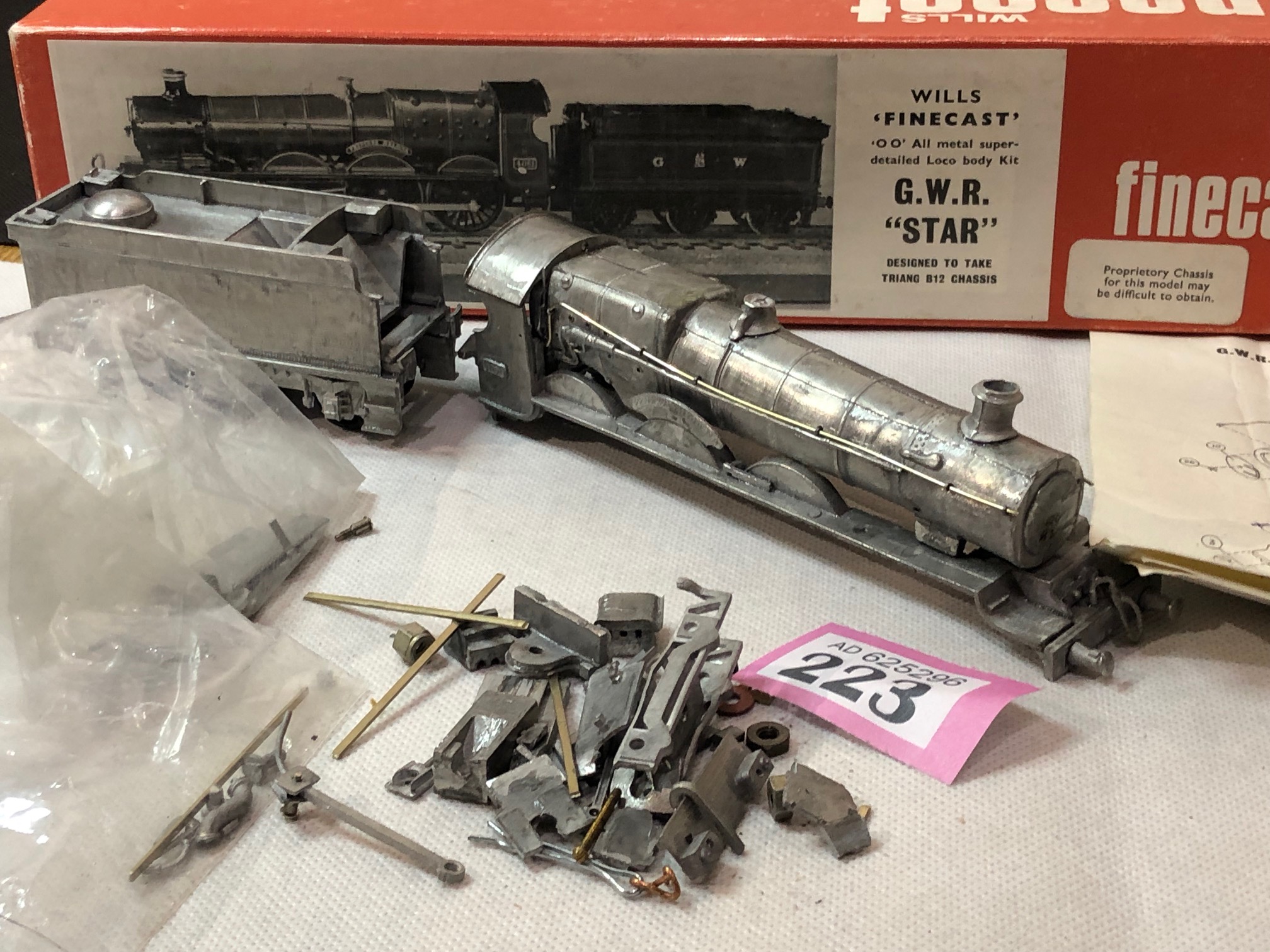
Exploring the World of White Metal Locomotive Kits
White metal locomotive kits offer a unique and rewarding experience for model railway enthusiasts. These kits provide the opportunity to build highly detailed and realistic locomotives that can become prized pieces in any collection.
What are White Metal Locomotive Kits?
White metal locomotive kits consist of cast metal parts that allow modellers to assemble their own locomotives. The metal used in these kits is typically a blend of tin, lead, and antimony, which gives it a white appearance hence the name “white metal”. This material is known for its durability and ability to hold intricate details.
The Appeal of White Metal Kits
One of the main attractions of white metal locomotive kits is the level of detail they offer. Modellers can create accurate replicas of specific locomotives with intricate features such as rivets, pipes, and other fine details that may not be easily achievable with other materials.
Additionally, white metal kits often come with a range of components that allow for customisation and personalisation. Modellers can choose different paint schemes, add weathering effects, and even modify certain parts to create a unique model that reflects their creativity.
Building a White Metal Locomotive Kit
Building a white metal locomotive kit requires patience, precision, and attention to detail. Modellers must carefully clean and prepare each part before assembly to ensure a seamless fit. The use of specialised adhesives and tools may be necessary to achieve the best results.
Many modellers find the process of building a white metal kit to be both challenging and rewarding. The sense of accomplishment that comes from completing a highly detailed model locomotive is unparalleled and can bring immense satisfaction to hobbyists.
Conclusion
White metal locomotive kits offer modellers the chance to delve into the world of precision modelling and craftsmanship. With their exceptional level of detail and customisation options, these kits provide an exciting challenge for enthusiasts looking to expand their skills and create stunning additions to their model railway layouts.
Eight Advantages of White Metal Locomotive Kits for Enthusiastic Modellers
- High level of detail for realistic model replicas
- Durable material that holds intricate features well
- Opportunity for customisation and personalisation
- Unique and challenging building experience for hobbyists
- Ability to create prized pieces for model railway collections
- Offers a sense of accomplishment upon completing the kit
- Allows modellers to showcase their creativity and skills
- Provides an exciting way to expand modelling techniques
Challenges and Considerations of Using White Metal Locomotive Kits
- White metal locomotive kits can be more expensive compared to other types of locomotive kits.
- Working with white metal requires specific tools and adhesives, adding to the overall cost of the project.
- White metal parts can be heavier than other materials, potentially affecting the balance and performance of the model locomotive.
- Some modellers may find white metal challenging to work with due to its hardness and need for precision in assembly.
High level of detail for realistic model replicas
White metal locomotive kits are prized for their high level of detail, allowing modellers to create incredibly realistic replicas of locomotives. The intricate features such as rivets, pipes, and fine details captured in white metal kits enable enthusiasts to produce models that closely resemble their real-life counterparts. This attention to detail not only enhances the visual appeal of the finished model but also adds a sense of authenticity and craftsmanship that is highly valued by collectors and hobbyists alike.
Durable material that holds intricate features well
White metal locomotive kits are prized for their durability and ability to hold intricate features with precision. The use of this robust material ensures that the fine details, such as rivets, pipes, and other intricate elements, are captured accurately in the model. This durability not only enhances the longevity of the finished locomotive but also allows modellers to create highly detailed replicas that showcase the craftsmanship and attention to detail that white metal kits are known for.
Opportunity for customisation and personalisation
White metal locomotive kits present a compelling advantage in the form of extensive opportunities for customisation and personalisation. Enthusiasts have the freedom to tailor their models to their preferences by selecting unique paint schemes, incorporating weathering effects, and even making modifications to certain components. This level of creative control allows modellers to showcase their individuality and craftsmanship, resulting in one-of-a-kind locomotives that reflect their creativity and attention to detail.
Unique and challenging building experience for hobbyists
White metal locomotive kits offer hobbyists a unique and challenging building experience that sets them apart from other model railway projects. The intricate details and precision required in assembling these kits provide enthusiasts with a rewarding opportunity to hone their modelling skills and craftsmanship. The process of building a white metal locomotive kit demands patience, attention to detail, and a steady hand, making it a fulfilling endeavour for those who enjoy a hands-on approach to their hobby. The sense of accomplishment that comes from successfully completing such a complex model adds an extra layer of satisfaction to the overall experience for passionate modellers seeking a new and exciting challenge.
Ability to create prized pieces for model railway collections
White metal locomotive kits offer modellers the ability to create prized pieces for their model railway collections. With intricate details and customisation options, these kits allow enthusiasts to craft unique and highly detailed locomotives that become standout centrepieces in their collections. The precision and craftsmanship involved in building white metal locomotive kits result in models that are not only visually stunning but also hold significant sentimental value for hobbyists, making them cherished additions to any model railway display.
Offers a sense of accomplishment upon completing the kit
Building a white metal locomotive kit offers modellers a profound sense of accomplishment upon completing the intricate assembly process. The satisfaction derived from meticulously putting together each detailed component, overcoming challenges along the way, and finally witnessing the finished locomotive come to life is truly rewarding. This feeling of achievement not only validates the modeller’s skills and dedication but also serves as a source of pride in creating a masterpiece that reflects their craftsmanship and passion for model railways.
Allows modellers to showcase their creativity and skills
White metal locomotive kits present a compelling advantage by enabling modellers to showcase their creativity and skills to the fullest extent. With the intricate details and customisation options available in these kits, modellers have the opportunity to express their artistic vision and technical proficiency in crafting unique and visually stunning locomotive models. From choosing paint schemes to adding personalised touches, white metal kits empower modellers to demonstrate their creativity while honing their modelling skills, resulting in truly exceptional and individualised creations that stand out in any collection.
Provides an exciting way to expand modelling techniques
White metal locomotive kits provide an exciting way to expand modelling techniques. By working with the intricacies of white metal parts, modellers can enhance their skills in precision assembly and detailing. The process of building a white metal locomotive involves mastering new techniques such as cleaning and preparing metal components, using specialised adhesives, and achieving a high level of accuracy in construction. This hands-on experience not only broadens modellers’ technical abilities but also offers a creative challenge that can lead to the development of advanced modelling skills.
White metal locomotive kits can be more expensive compared to other types of locomotive kits.
White metal locomotive kits can present a drawback in terms of cost, as they tend to be pricier than some other types of locomotive kits available in the market. The higher price point may deter some modellers, especially those who are on a budget or looking for more affordable options. However, it is important to consider that the quality and level of detail offered by white metal kits often justify the higher cost, making them a worthwhile investment for enthusiasts seeking superior craftsmanship and realism in their model railway projects.
Working with white metal requires specific tools and adhesives, adding to the overall cost of the project.
Working with white metal locomotive kits presents a notable drawback in that it necessitates the use of specific tools and adhesives, which can contribute to an increase in the overall cost of the project. Modellers may need to invest in specialised equipment to properly clean, prepare, and assemble the intricate metal parts. Additionally, the use of specific adhesives tailored for bonding white metal components together is crucial for ensuring a durable and seamless final product. These additional expenses associated with acquiring the necessary tools and materials can be a consideration for hobbyists looking to undertake white metal kit projects.
White metal parts can be heavier than other materials, potentially affecting the balance and performance of the model locomotive.
White metal locomotive kits have a drawback in that the white metal parts used in these kits can be heavier compared to other materials commonly used in model building. This additional weight has the potential to impact the balance and performance of the model locomotive. The increased weight from the white metal components may affect the overall stability of the locomotive on the tracks, potentially leading to issues with movement and handling. Modellers need to carefully consider this factor when working with white metal kits to ensure that the final model operates smoothly and effectively on their railway layout.
Some modellers may find white metal challenging to work with due to its hardness and need for precision in assembly.
Some modellers may find white metal locomotive kits challenging to work with due to the material’s hardness and the precision required in assembly. The durability of white metal can make it more difficult to cut, file, or shape compared to other modelling materials. Additionally, assembling intricate parts with exacting precision can be demanding, requiring careful attention to detail and patience. Modellers who prefer materials that are easier to manipulate or assemble may find working with white metal kits to be a more daunting task that requires advanced skills and techniques.