
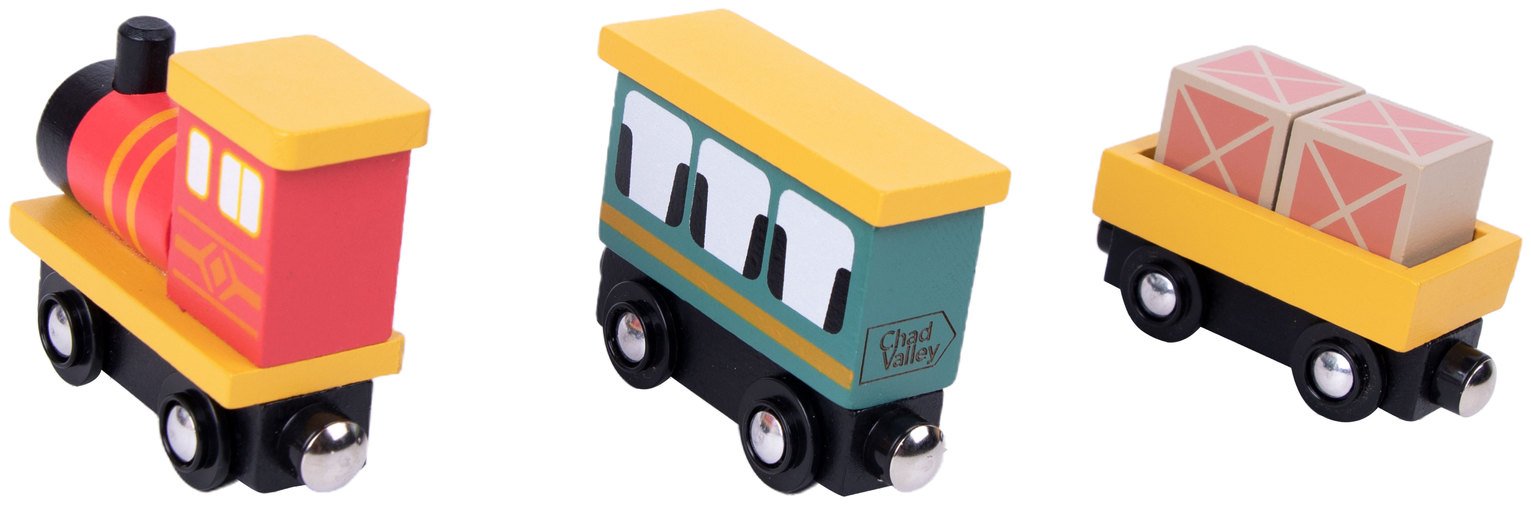
Toy Trains: A Timeless Favourite
Toy trains have delighted children and adults for generations. From simple wooden engines pulled along the floor to detailed electric railways, they offer a chance to play, build and imagine. A toy train can be a first introduction to how railways work, or the starting point for a hobby that lasts a lifetime.
From Wooden Tracks to Electric Railways
Toy trains come in many shapes and sizes. Wooden sets are popular with younger children because they are sturdy, easy to handle and simple to assemble. Plastic and metal sets often offer more features, such as points, bridges and miniature stations. Electric trains add another dimension: with a controller, the train can travel around a track, pass through tunnels and stop at platforms.
Some sets are designed for quick play, while others encourage careful construction. Tracks can be arranged in different layouts, and accessories such as signals, buildings and miniature trees help turn a simple loop into a little world of its own.
Play, Creativity and Learning
Playing with toy trains can encourage creativity and problem-solving. Children can plan a route, build a landscape and decide where passengers or goods are going. Connecting track sections also introduces basic ideas about shapes, space and cause and effect.
As children play, they may invent stories about the people and places along the line. A station can become the centre of a busy town, while a freight train might carry supplies across mountains or through the countryside. There is no single right way to build a railway, which makes each layout personal.
A Hobby for All Ages
For many people, an interest in toy trains grows into model railroading. Older enthusiasts may enjoy choosing locomotives, creating realistic scenery and learning about railway history. Building a detailed layout takes patience, but it can be rewarding to watch a railway develop piece by piece.
Sharing the hobby can be just as enjoyable as building. Families can work together on a layout, and clubs and exhibitions offer opportunities to see other people’s creations and exchange ideas. A small train set can bring together people of different ages and experience.
Choosing a Toy Train Set
When choosing a set, consider the age of the person who will use it, the space available and how much assembly is involved. Check the manufacturer’s recommended age range and safety guidance, especially for sets with small parts. For electric trains, make sure the power supply and controls are suitable for the intended user.
It is also worth considering whether the set can be expanded. Compatible track, extra carriages and scenery can extend the possibilities over time, giving the railway room to grow alongside its owner’s interests.
A Small Train, a Big World
Toy trains combine movement, imagination and hands-on creativity. Whether they are racing around a living-room track or travelling through a carefully modelled landscape, they invite people to build a world of their own—one journey at a time.
7 Tips for Safe Toy Train Play and Care
- Check the recommended age before buying.
- Choose sturdy tracks that fit together securely.
- Keep small parts away from young children.
- Use trains on a flat, clear surface.
- Store tracks and trains in a labelled box.
- Wipe toys clean with a soft, damp cloth.
- Replace damaged parts to keep play safe.
Check the recommended age before buying.
Before buying a toy train, check the manufacturer’s recommended age range to make sure it is suitable for the child. Sets with small parts may pose a choking risk for younger children, while more complex track layouts or electric controls may be better suited to older users. Always read the product’s safety guidance as well as the age recommendation.
Choose sturdy tracks that fit together securely.
Choose sturdy tracks that fit together securely, so the railway stays stable during play and trains can travel smoothly without frequent derailments. Well-made track sections are easier to assemble and take apart, and are more likely to withstand enthusiastic use over time.
Keep small parts away from young children.
Keep small parts, such as miniature figures, track connectors and accessories, away from young children, as they can pose a choking risk. Check the age guidance on the packaging and supervise play where appropriate. Store loose pieces safely when the train set is not in use.
Use trains on a flat, clear surface.
Use toy trains on a flat, clear surface to help them run smoothly and stay on the track. Move away loose toys, cables and other obstacles before play, and make sure the area is large enough for the track layout. This helps prevent derailments and makes play safer and more enjoyable.
Store tracks and trains in a labelled box.
Store toy train tracks and trains together in a clearly labelled box to keep everything tidy and easy to find. A sturdy container helps protect pieces from dust and damage, while a simple label makes tidying up quicker and helps children see where everything belongs.
Wipe toys clean with a soft, damp cloth.
Keep toy trains clean by gently wiping them with a soft, damp cloth. This helps remove dust and fingerprints without scratching the surface. Avoid soaking the toys, and dry them thoroughly before putting them away.
Replace damaged parts to keep play safe.
Replace any damaged parts before letting children play with a toy train. Cracked track, loose wheels, sharp edges or frayed electrical wires can cause injuries or make the set unsafe to use. Check the train and its accessories regularly, follow the manufacturer’s repair guidance, and use compatible replacement parts. If a part cannot be repaired safely, remove it from play.