
The Magnificent Steam Locomotive: A Symbol of Industrial Innovation
Steam locomotives, with their billowing smoke and rhythmic chugging, evoke a sense of nostalgia for a bygone era when railways dominated transportation. These majestic machines played a crucial role in shaping the industrial revolution and connecting distant corners of the world.
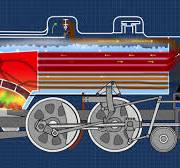
At the heart of a steam locomotive is its steam engine, which harnesses the power of steam to propel the train forward. Water is heated in a boiler to produce steam, which is then channelled through cylinders to move pistons that drive the wheels.
The distinctive appearance of a steam locomotive, with its towering smokestack and polished brass fittings, captures the imagination of railway enthusiasts and historians alike. Each locomotive has its own unique design and history, reflecting the craftsmanship and engineering ingenuity of its time.
Steam locomotives were once the workhorses of railways, hauling passengers and freight across vast distances with remarkable efficiency. Their iconic whistle echoed through valleys and cities, announcing their arrival long before they came into view.
Although modern diesel and electric trains have largely replaced steam locomotives in commercial service, these historic machines continue to captivate people around the world. Preservation societies and heritage railways keep the spirit of steam alive, offering rides on lovingly restored locomotives that transport passengers back in time.
Whether it’s the Flying Scotsman thundering down the tracks or a quaint narrow-gauge engine chugging through scenic countryside, the sight and sound of a steam locomotive evoke a sense of wonder and admiration for an era when innovation rode on iron wheels.
Exploring Steam Locomotives: Key Questions Answered
- 1. How do steam locomotives work?
- 2. What are the different parts of a steam locomotive?
- 3. When were steam locomotives first invented?
- 4. How fast can a steam locomotive travel?
- 5. Are there any operational steam locomotives still in use today?
- 6. What was the impact of steam locomotives on the industrial revolution?
- 7. How were coal and water supplied to a steam locomotive during operation?
1. How do steam locomotives work?
Steam locomotives operate through a fascinating process that harnesses the power of steam to drive the engine forward. The fundamental principle involves heating water in a boiler to produce steam under high pressure. This pressurized steam is then directed into cylinders, where it pushes pistons back and forth. The movement of these pistons drives the locomotive’s wheels, propelling it along the tracks. The rhythmic chugging sound and billowing smoke associated with steam locomotives are a result of this intricate interplay of heat, steam, and mechanical motion. This classic method of propulsion has long captured the imagination of railway enthusiasts and historians alike, showcasing the ingenuity and engineering prowess of a bygone era.
2. What are the different parts of a steam locomotive?
When exploring the anatomy of a steam locomotive, one encounters a fascinating array of components that work in harmony to propel these iconic machines. From the towering smokestack that releases billowing plumes of steam to the intricate network of valves and pistons within the engine cylinders, each part serves a crucial function in powering the locomotive forward. The boiler, firebox, driving wheels, and tender are just a few examples of the diverse elements that make up a steam locomotive, showcasing the intricate craftsmanship and engineering mastery required to bring these marvels of transportation to life.
3. When were steam locomotives first invented?
Steam locomotives were first invented in the early 19th century, with the pioneering work of engineers such as George Stephenson and Richard Trevithick leading to the development of the first successful steam-powered locomotives. The year 1804 marked a significant milestone with the introduction of Trevithick’s steam locomotive, paving the way for further advancements in railway technology and revolutionising transportation systems worldwide. The invention of steam locomotives heralded a new era of industrial progress and connectivity, shaping the future of railways for generations to come.
4. How fast can a steam locomotive travel?
Steam locomotives, renowned for their power and grandeur, were capable of impressive speeds during their heyday. Depending on the design, size, and track conditions, a steam locomotive could reach speeds of up to 100 miles per hour or more. The famous “Flying Scotsman” steam locomotive, for example, set records for its speed and efficiency on the rails. The engineering marvel of steam locomotives allowed them to transport passengers and goods across vast distances at remarkable velocities, leaving a lasting legacy in the history of rail travel.
5. Are there any operational steam locomotives still in use today?
In response to the frequently asked question, “Are there any operational steam locomotives still in use today?”, the answer is a resounding yes. Despite the dominance of diesel and electric trains in modern railway systems, there are numerous operational steam locomotives that continue to captivate enthusiasts and passengers around the world. Preservation societies, heritage railways, and dedicated individuals have worked tirelessly to restore and maintain these historic machines, allowing them to steam proudly along tracks and offer unforgettable journeys through time and history. From iconic express engines to charming narrow-gauge locomotives, these operational steam trains keep the spirit of rail heritage alive for generations to come.
6. What was the impact of steam locomotives on the industrial revolution?
Steam locomotives had a profound impact on the industrial revolution, revolutionising transportation and driving economic growth. By providing a reliable and efficient means of moving goods and people over long distances, steam locomotives facilitated the expansion of markets and industries. The ability to transport raw materials and finished products quickly and cost-effectively spurred industrial development, leading to the establishment of new factories and businesses. Steam locomotives also played a crucial role in connecting urban centres with rural areas, enabling the movement of labour and resources on a scale previously unimaginable. Overall, steam locomotives were instrumental in transforming the landscape of industry during the industrial revolution, laying the foundation for modern transportation systems.
7. How were coal and water supplied to a steam locomotive during operation?
During operation, coal and water were essential supplies for a steam locomotive to continue running smoothly. Coal was stored in a tender attached to the rear of the locomotive, which could hold a significant amount of fuel to power the engine. The fireman would shovel coal from the tender into the firebox, where it would burn to heat the water in the boiler and produce steam. Water was carried in a separate compartment within the tender or in additional water wagons attached to the train. The engineer would use valves to control the flow of water into the boiler, ensuring that there was enough steam pressure to drive the pistons and propel the locomotive along its journey. This careful balance of coal and water supply was crucial for maintaining efficiency and performance during operation.