
The Fascinating World of Railroad Engines
When it comes to the world of railways, the railroad engine stands out as a true marvel of engineering. These powerful machines serve as the heart and soul of any train, pulling carriages across vast distances with precision and efficiency.
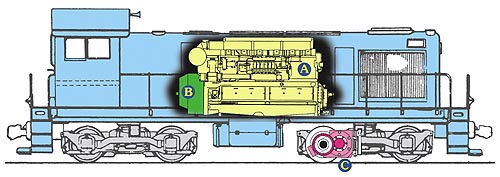
At the core of a railroad engine lies a complex system of pistons, cylinders, and wheels that work together to generate immense power. Whether steam-powered or diesel-electric, each type of engine has its own unique characteristics and capabilities.
One of the most iconic types of railroad engines is the steam locomotive. With its billowing smokestacks and rhythmic chugging sound, it evokes a sense of nostalgia for a bygone era when steam ruled the rails. These majestic machines played a crucial role in shaping the history of transportation, connecting cities and communities across vast distances.
In contrast, modern diesel-electric engines represent the cutting edge of railway technology. These sleek and efficient machines use a combination of diesel fuel and electricity to propel trains forward with speed and reliability. With advanced computer systems and powerful engines, they are capable of pulling heavy loads over long distances with ease.
Regardless of their design or era, railroad engines continue to captivate enthusiasts and engineers alike with their raw power and mechanical ingenuity. From historic steam locomotives to state-of-the-art diesel-electric engines, each type has its own story to tell about the evolution of rail transport.
So next time you hear the distant whistle of a train or catch a glimpse of a speeding locomotive, take a moment to appreciate the remarkable engineering behind these incredible machines that have been connecting people and places for generations.
Essential Safety Tips for Operating a Railroad Engine
- Always follow the safety instructions when operating a railroad engine.
- Regularly inspect and maintain the engine to ensure it is in good working condition.
- Be aware of the weight and length of the train when operating the engine.
- Follow speed limits and signals to ensure safe operation on the tracks.
- Communicate effectively with other railway staff using proper radio procedures.
- Understand and follow all railway rules and regulations while operating the engine.
- Stay alert and focused while driving the railroad engine to avoid accidents.
Always follow the safety instructions when operating a railroad engine.
It is crucial to always adhere to the safety instructions when operating a railroad engine. Safety protocols are in place to protect both the operators and passengers, ensuring that all journeys are conducted with the highest level of precaution and care. By following these guidelines diligently, operators can help prevent accidents and maintain a secure environment for everyone involved in the operation of the railroad engine. Prioritising safety not only promotes efficiency but also upholds the well-being of all individuals on board, making it a fundamental aspect of responsible railroad engine operation.
Regularly inspect and maintain the engine to ensure it is in good working condition.
Regularly inspecting and maintaining the railroad engine is essential to ensure that it remains in good working condition. By conducting routine checks and addressing any issues promptly, operators can prevent potential breakdowns and keep the engine running smoothly. Proper maintenance not only enhances the engine’s performance but also extends its lifespan, ultimately contributing to the safety and efficiency of train operations. Investing time and effort in regular inspections demonstrates a commitment to preserving the integrity of the engine and ensuring reliable service on the tracks.
Be aware of the weight and length of the train when operating the engine.
It is essential to be mindful of the weight and length of the train when operating a railroad engine. Understanding the load that the engine is pulling is crucial for maintaining control and ensuring safe operation. The weight and length of the train directly impact factors such as acceleration, braking distances, and overall handling. By being aware of these factors, operators can make informed decisions to navigate tracks effectively and prevent potential risks or accidents.
Follow speed limits and signals to ensure safe operation on the tracks.
It is crucial to adhere to speed limits and signals when operating a railroad engine to ensure the safety of both passengers and railway personnel. By following these guidelines, train operators can maintain control over their locomotive, prevent accidents, and promote efficient and reliable transportation on the tracks. Speed limits and signals are designed to communicate essential information about track conditions, upcoming hazards, and other trains in the vicinity, enabling operators to make informed decisions that prioritise safety above all else.
Communicate effectively with other railway staff using proper radio procedures.
Effective communication is essential in the operation of a railroad engine, and using proper radio procedures is key to ensuring clear and concise interactions with other railway staff. By adhering to established protocols when transmitting messages over the radio, train operators can convey important information accurately and efficiently. This practice not only enhances safety on the tracks but also promotes smooth coordination among team members, ultimately contributing to the seamless functioning of the railway system.
Understand and follow all railway rules and regulations while operating the engine.
It is crucial to understand and adhere to all railway rules and regulations when operating a railroad engine. Safety is paramount in the railway industry, and following the established guidelines ensures the smooth and secure operation of the engine. By complying with these rules, operators help maintain a safe working environment for themselves, passengers, and other rail personnel. Understanding and adhering to railway regulations also contribute to efficient and reliable train operations, promoting a culture of responsibility and professionalism within the industry.
Stay alert and focused while driving the railroad engine to avoid accidents.
It is crucial to stay alert and maintain focus when operating a railroad engine to prevent accidents and ensure the safety of passengers and crew. The responsibility of driving a locomotive requires constant attention to signals, track conditions, and potential hazards along the route. By staying vigilant and adhering to safety protocols, train drivers can navigate the rails with precision and confidence, reducing the risk of incidents and upholding the highest standards of railway operation.