
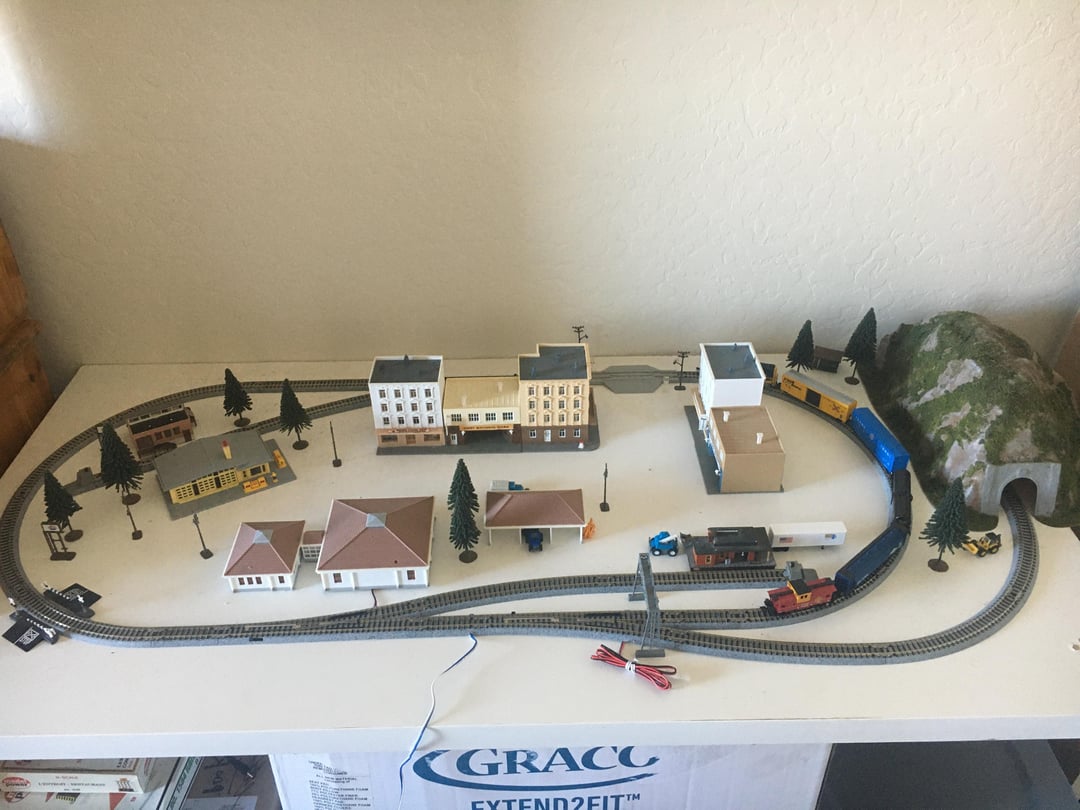
The Fascination of N Scale Railroads
Among the various scales used in model railroading, N scale stands out as a popular choice for enthusiasts and hobbyists alike. With a scale ratio of 1:160, N scale models offer a perfect balance between detail and space efficiency, making them ideal for creating intricate layouts in limited spaces.
History of N Scale
N scale, also known as N gauge, was introduced in the 1960s by the Arnold Company in Germany. It quickly gained popularity due to its compact size and affordability. Today, N scale is widely used worldwide, with manufacturers producing a wide range of locomotives, rolling stock, and accessories to cater to the growing demand.
Advantages of N Scale
One of the key advantages of N scale railroads is their versatility. Despite their small size, N scale models can replicate intricate details found in real trains and landscapes. This allows modellers to create realistic scenes with impressive levels of realism.
Another benefit of N scale is its space efficiency. Due to its smaller size compared to larger scales like HO or O scale, N scale layouts require less space while still offering ample room for creativity and complexity. This makes N scale an excellent choice for modellers with limited space or those looking to build multiple layouts.
Building an N Scale Layout
Designing and building an N scale layout requires careful planning and attention to detail. Modellers can create diverse landscapes, from bustling cityscapes to serene countryside scenes, using a variety of materials such as miniature trees, buildings, and terrain features.
For those interested in adding realism to their layout, weathering techniques can be applied to locomotives and rolling stock to simulate wear and tear from years of service on the rails. This attention to detail enhances the overall authenticity of the model railroad.
Joining the N Scale Community
Whether you are a seasoned modeller or new to the world of model railroading, exploring the world of N scale railroads offers endless possibilities for creativity and enjoyment. Joining online forums, attending exhibitions, or becoming a member of a local model railroad club are great ways to connect with fellow enthusiasts and share your passion for this captivating hobby.
Embrace the intricacy and charm of N scale railroads as you embark on your journey into this fascinating miniature world where imagination knows no bounds.
Understanding N Scale Railroads: Key Differences, Definitions, and Cost Comparisons
- What is the difference between z scale and N scale trains?
- What is N scale model railroad?
- What scale is N gauge railway?
- Is N scale cheaper than HO scale?
What is the difference between z scale and N scale trains?
One frequently asked question in the world of model railroading is, “What is the difference between Z scale and N scale trains?” The main distinction between these two scales lies in their size. Z scale, with a ratio of 1:220, is smaller than N scale, which has a ratio of 1:160. This means that Z scale models are even more compact and require less space for layouts compared to N scale. While both scales offer intricate details and realistic modelling opportunities, the choice between Z scale and N scale ultimately depends on personal preferences, available space, and desired level of detail in the model railroad layout.
What is N scale model railroad?
In the realm of model railroading, N scale is a popular choice among enthusiasts seeking to recreate the charm of real-life railways in miniature form. N scale model railroads refer to models built to a scale ratio of 1:160, making them significantly smaller than their HO and O scale counterparts. Despite their compact size, N scale layouts offer incredible detail and realism, allowing modellers to craft intricate scenes with precision and creativity. Whether replicating bustling urban landscapes or serene rural settings, N scale model railroads provide a captivating canvas for hobbyists to express their passion for trains and craftsmanship.
What scale is N gauge railway?
N gauge railway, often referred to simply as N scale, is a popular model railroading scale with a ratio of 1:160. This means that models in N gauge are approximately 1/160th the size of their real-world counterparts. The compact size of N scale models allows enthusiasts to create detailed layouts in limited spaces while still capturing the essence and intricacies of full-sized railways. With its versatility and space efficiency, N gauge railway has become a favourite among modellers looking to build realistic and engaging miniature worlds.
Is N scale cheaper than HO scale?
When comparing N scale to HO scale in terms of cost, it is often perceived that N scale tends to be more affordable than HO scale. This is primarily due to the smaller size of N scale models, which generally require less material and space. Additionally, N scale layouts typically use fewer resources such as track, scenery materials, and structures compared to their larger counterparts. However, the overall cost of building a model railroad layout can vary depending on individual preferences, desired level of detail, and the specific brands and products chosen. Ultimately, both N scale and HO scale offer unique advantages and challenges in terms of cost-effectiveness for modellers to consider when planning their railway projects.