
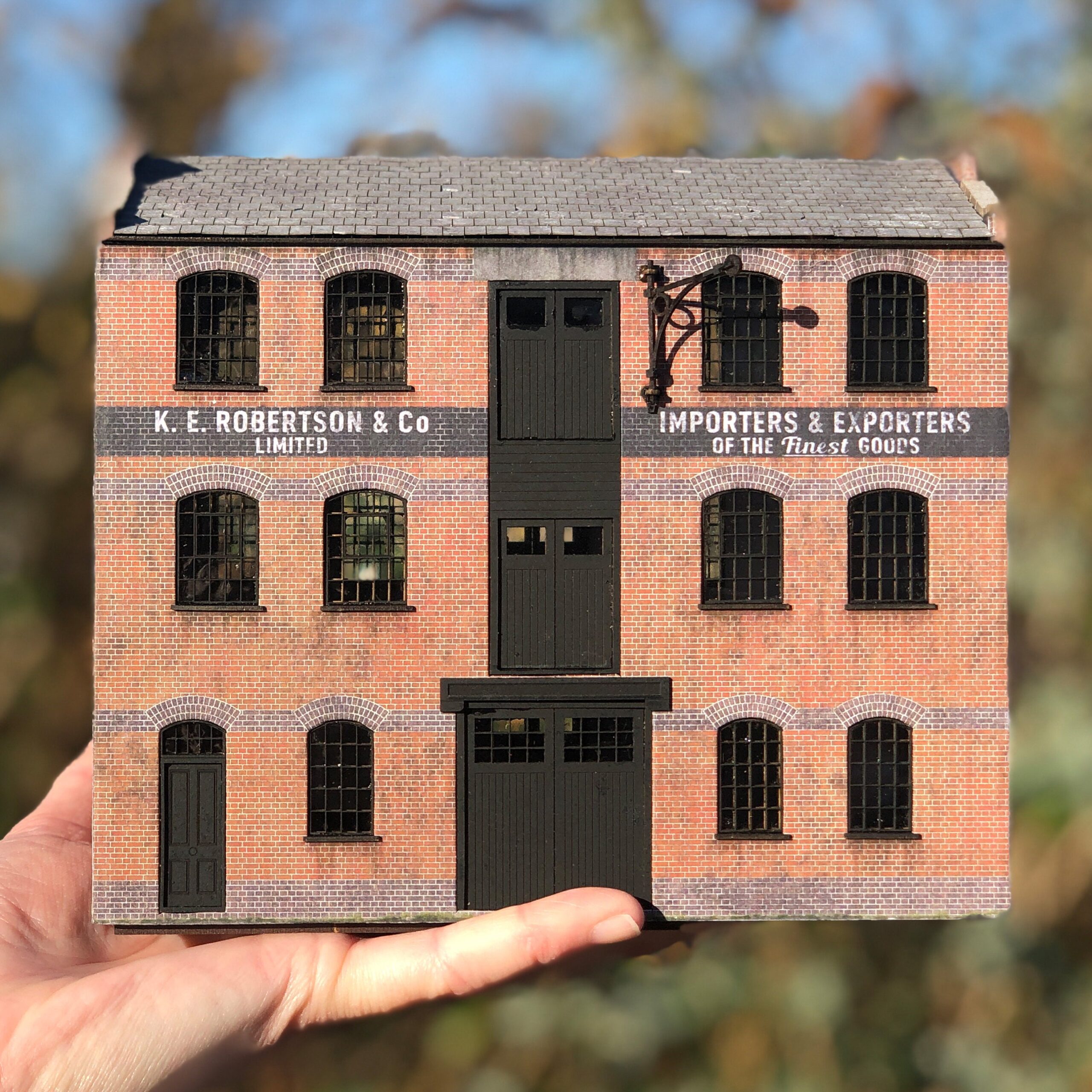
Model Train Buildings: Adding Realism to Your Layout
One of the key elements in creating a realistic and immersive model train layout is the inclusion of detailed model train buildings. These miniature structures play a vital role in setting the scene, enhancing the overall visual appeal, and bringing your railway world to life.
The Importance of Model Train Buildings
Model train buildings serve as focal points on your layout, providing context and adding depth to the scenery. Whether you are replicating a specific era or location, or letting your imagination run wild with fictional settings, carefully chosen buildings can help tell a story and create a sense of authenticity.
Types of Model Train Buildings
There is a wide variety of model train buildings available to suit different themes and scales. From quaint cottages and bustling city skyscrapers to industrial warehouses and rural farmhouses, you can find structures that fit seamlessly into your layout.
Building Techniques
To make your model train buildings look realistic, attention to detail is key. Consider weathering techniques to add age and character to the structures, such as painting techniques, adding signage, and incorporating small details like window shutters or flower boxes.
Customising Your Buildings
If you have a specific vision in mind or want to recreate a particular building from real life, customising pre-made kits or scratch-building from raw materials can be a rewarding challenge. This allows you to tailor every aspect of the building to suit your layout perfectly.
In Conclusion
Model train buildings are more than just decorative pieces on your layout – they are essential components that contribute to the overall atmosphere and realism of your miniature world. By carefully selecting, detailing, and customising these structures, you can create a captivating railway scene that captures the imagination of viewers young and old.
Essential FAQs for Model Train Buildings: Scale, Customisation, and Resources
- 1. What scale of model train buildings should I use for my layout?
- 2. How can I weather and age my model train buildings to make them look more realistic?
- 3. Where can I find a variety of model train buildings for different themes and eras?
- 4. Are there any tips for detailing and customising pre-made model train buildings?
- 5. What materials are commonly used for scratch-building model train buildings?
- 6. How do I ensure that the scale of my model train buildings matches the scale of my trains?
- 7. Can you recommend any resources or tutorials for improving my skills in building and detailing model train structures?
1. What scale of model train buildings should I use for my layout?
When considering the scale of model train buildings for your layout, it is important to match them appropriately to the scale of your trains. The scale of the buildings should complement the size of your trains to maintain a sense of proportion and realism. Common scales for model train buildings include HO scale (1:87), N scale (1:160), and O scale (1:48). Choosing the right scale ensures that your buildings fit seamlessly into the overall layout, creating a cohesive and visually appealing miniature world for your model trains to traverse.
2. How can I weather and age my model train buildings to make them look more realistic?
Creating realistic weathering and ageing effects on model train buildings is a common concern for many hobbyists looking to enhance the authenticity of their layouts. One effective method to achieve this is by using various weathering techniques such as dry brushing, airbrushing, and applying washes to simulate wear and tear. By carefully layering paints, adding rust streaks, dirt accumulation, and other detailing elements, you can transform pristine model buildings into weathered structures that tell a story of time and history. Experimenting with different textures and colours can help bring out the character of each building, making them blend seamlessly into the overall scenery of your model railway world.
3. Where can I find a variety of model train buildings for different themes and eras?
When seeking a diverse selection of model train buildings to suit various themes and historical periods, enthusiasts can explore specialised hobby shops, online retailers, and model train exhibitions. These sources offer a wide range of options, from intricate replicas of specific architectural styles to generic structures that can be adapted to different settings. Additionally, model train building manufacturers often produce kits and accessories tailored to specific eras, ensuring that modellers can find the perfect buildings to complement their layouts and bring their miniature worlds to life with authenticity and detail.
4. Are there any tips for detailing and customising pre-made model train buildings?
When it comes to detailing and customising pre-made model train buildings, there are several tips to enhance their realism and uniqueness. Firstly, consider adding weathering effects using techniques like dry brushing or washes to create a worn and aged appearance. Adding small details such as signage, window boxes, or exterior lighting can bring the building to life. Experiment with different paints and textures to achieve a variety of finishes, from brickwork to wood panelling. Additionally, personalising the building with unique touches like custom decals or interior furnishings can add character and make it stand out on your model train layout. By paying attention to these details and incorporating your creative flair, you can transform a standard pre-made building into a bespoke feature that adds depth and authenticity to your miniature world.
5. What materials are commonly used for scratch-building model train buildings?
When it comes to scratch-building model train buildings, a variety of materials are commonly used to bring these miniature structures to life. Builders often opt for materials such as styrene sheets, balsa wood, cardboard, plasticard, and various detailing accessories like windows, doors, and roofing materials. These materials allow modellers to create customised buildings that suit their specific layout requirements and design preferences. The versatility of these materials enables modellers to experiment with different textures, shapes, and finishes to achieve realistic and unique structures that enhance the overall authenticity of their model railway scenes.
6. How do I ensure that the scale of my model train buildings matches the scale of my trains?
Ensuring that the scale of your model train buildings matches the scale of your trains is crucial for maintaining realism and visual harmony in your layout. To achieve this, it is essential to carefully select buildings that are designed specifically for the scale of your trains. Most manufacturers provide information about the scale of their buildings, so be sure to check this before making a purchase. Additionally, paying attention to proportions and dimensions when placing buildings next to your trains can help create a cohesive and accurate representation of the real world in miniature form. By taking these steps, you can ensure that your model train buildings complement your trains and enhance the overall authenticity of your railway scene.
7. Can you recommend any resources or tutorials for improving my skills in building and detailing model train structures?
For those seeking to enhance their skills in building and detailing model train structures, there are numerous valuable resources and tutorials available to provide guidance and inspiration. Online forums, dedicated websites, and specialised publications offer a wealth of information on various techniques, materials, and tools used in creating realistic model buildings. Additionally, video tutorials on platforms like YouTube can offer step-by-step demonstrations and tips from experienced modellers. Attending workshops or joining model railway clubs can also provide hands-on learning opportunities and the chance to exchange knowledge with fellow enthusiasts. By exploring these resources and actively engaging in learning experiences, modellers can expand their expertise and take their model train building skills to new heights.