
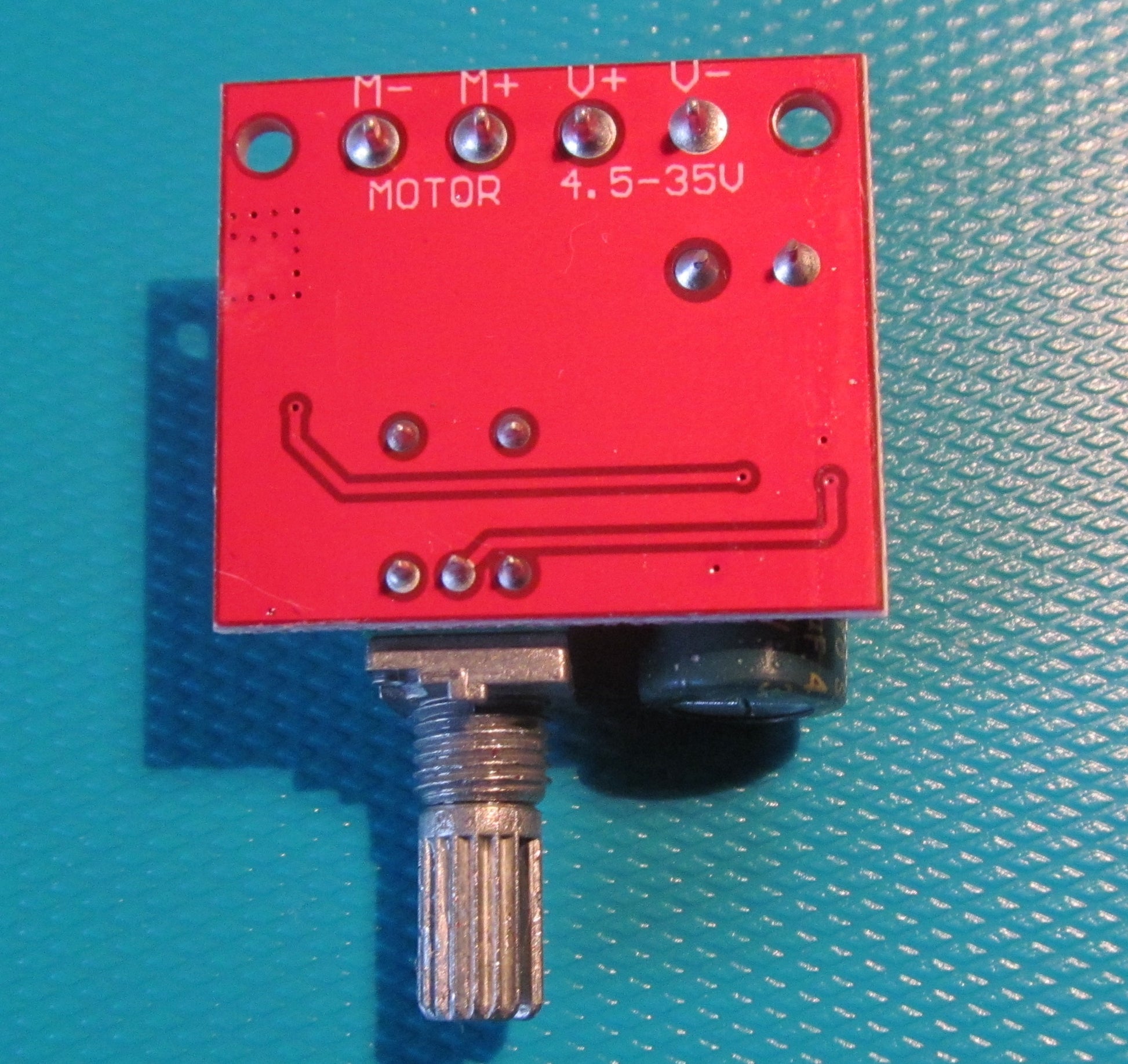
The Intricacies of Model Railway Electrics
Model railway electrics play a crucial role in bringing miniature worlds to life. From powering locomotives to controlling signals and lighting, the electrical components of a model railway system are essential for creating a realistic and immersive experience.
Powering Your Layout
One of the fundamental aspects of model railway electrics is power distribution. Most layouts rely on a power supply connected to the tracks through a controller. This allows modellers to control the speed and direction of their trains, mimicking the operations of real-life railways.
Signals and Automation
Incorporating signals into your layout adds another layer of realism. By using relays, sensors, and electronic circuits, modellers can automate train movements, create realistic signalling systems, and enhance the overall operational aspect of their layout.
Lighting and Special Effects
Lighting is another important element in model railway electrics. Whether it’s illuminating buildings, simulating streetlights, or adding special effects like flickering campfires or flashing warning lights, lighting can greatly enhance the visual appeal of a layout.
Troubleshooting and Maintenance
Like any electrical system, model railway electrics require regular maintenance and troubleshooting. Modellers often need to check for loose connections, clean track surfaces for better conductivity, and ensure that all components are functioning correctly to avoid disruptions during operation.
Conclusion
Model railway electrics offer modellers endless opportunities for creativity and innovation. By mastering the intricacies of electrical systems in model railways, enthusiasts can bring their miniature worlds to life with authenticity and attention to detail.
Essential Guide to Model Railway Electrics: Answers to Your Top 8 Questions
- 1. How do I wire the tracks for my model railway layout?
- 2. What type of power supply should I use for my model trains?
- 3. How can I control the speed and direction of locomotives on my layout?
- 4. What are the basic components needed for a model railway electrical system?
- 5. How do I incorporate signals and automation into my model railway layout?
- 6. What is DCC (Digital Command Control) and how does it work in model railways?
- 7. How can I add lighting and special effects to enhance the realism of my layout?
- 8. What are common troubleshooting issues with model railway electrics and how can they be resolved?
1. How do I wire the tracks for my model railway layout?
When it comes to wiring the tracks for your model railway layout, proper planning and execution are key. Start by determining the power source for your tracks, usually through a controller connected to a power supply. Ensure that you have adequate wiring running beneath the tracks to provide consistent power distribution. It’s essential to create electrical blocks to divide your layout into manageable sections, allowing you to control different areas independently. Properly insulate rail joiners and solder connections for reliable conductivity and smooth operation. Regularly test your wiring to identify any issues and make adjustments as needed to ensure optimal performance of your model railway layout.
2. What type of power supply should I use for my model trains?
When considering the type of power supply for your model trains, it is essential to choose one that meets the specific requirements of your layout and locomotives. Most model railway enthusiasts opt for a variable DC power supply as it allows for precise control over train speed and direction. However, some modellers prefer Digital Command Control (DCC) systems, which enable independent control of multiple trains on the same track. Ultimately, the choice of power supply depends on factors such as layout size, budget, and personal preferences, so it is advisable to research and seek advice from experienced modellers before making a decision.
3. How can I control the speed and direction of locomotives on my layout?
Controlling the speed and direction of locomotives on a model railway layout is a common query among enthusiasts. The process typically involves connecting the tracks to a power supply through a controller, allowing modellers to adjust the speed and direction of their trains. By manipulating the voltage supplied to the tracks, modellers can achieve smooth acceleration, deceleration, and changes in direction, replicating the operations of real trains. Understanding how to effectively control locomotives adds an interactive element to the layout, enhancing the overall experience for modellers and spectators alike.
4. What are the basic components needed for a model railway electrical system?
When setting up a model railway electrical system, several basic components are essential for smooth operation. These include a power supply unit to deliver electricity to the tracks, a controller to regulate train speed and direction, wiring to connect various components, and possibly a transformer for converting voltage levels if needed. Additionally, modellers may incorporate switches for controlling track sections, resistors for adjusting voltage, and capacitors for smoothing out power fluctuations. Understanding and assembling these basic components is key to building a reliable and functional model railway electrical system that brings your layout to life with realism and precision.
5. How do I incorporate signals and automation into my model railway layout?
Incorporating signals and automation into a model railway layout adds an exciting dimension of realism and functionality. To achieve this, modellers can utilise a combination of relays, sensors, and electronic circuits to automate train movements and create authentic signalling systems. By carefully planning the placement of signals along the track, modellers can enhance the operational aspect of their layout, mimicking the controlled movements seen on real railways. Implementing signals and automation requires a thoughtful approach to wiring and component placement, but the end result is a dynamic and engaging model railway experience that captures the essence of a bustling rail network.
6. What is DCC (Digital Command Control) and how does it work in model railways?
Digital Command Control (DCC) is a popular method of controlling model railway locomotives and accessories using digital signals. In DCC systems, each locomotive is equipped with a small decoder that receives commands from a central controller. This allows modellers to control multiple trains independently on the same track, adjusting speed, direction, and even sound effects with precision. DCC revolutionises the way model railways are operated by providing more realistic and dynamic control over trains, making it a preferred choice for many enthusiasts seeking enhanced functionality in their layouts.
7. How can I add lighting and special effects to enhance the realism of my layout?
Adding lighting and special effects to your model railway layout is a fantastic way to elevate its realism and visual appeal. To enhance the ambiance of your miniature world, consider incorporating various lighting elements such as streetlights, building illuminations, and even special effects like flickering lights or simulated fire effects. By strategically placing lights and effects around your layout, you can create a captivating atmosphere that immerses viewers in the intricate details of your model railway world. Additionally, utilising lighting control systems and experimenting with different techniques can further enhance the overall aesthetic and bring a touch of magic to your railway scenes.
8. What are common troubleshooting issues with model railway electrics and how can they be resolved?
When it comes to model railway electrics, common troubleshooting issues often revolve around issues such as poor connectivity, short circuits, and malfunctioning components. One frequent problem is trains stalling or running erratically due to dirty track surfaces or loose connections between the tracks and the power supply. To resolve this, modellers can clean the tracks using a track cleaning solution or a track-cleaning tool to ensure smooth operation. Another common issue is lights flickering or not turning on properly, which may indicate a loose wire connection or a faulty bulb. Checking and securing all wiring connections and replacing any defective bulbs can help address this problem effectively. By understanding these common troubleshooting issues and implementing appropriate solutions, modellers can maintain the smooth operation of their model railway electrics and enjoy uninterrupted train journeys on their layouts.