
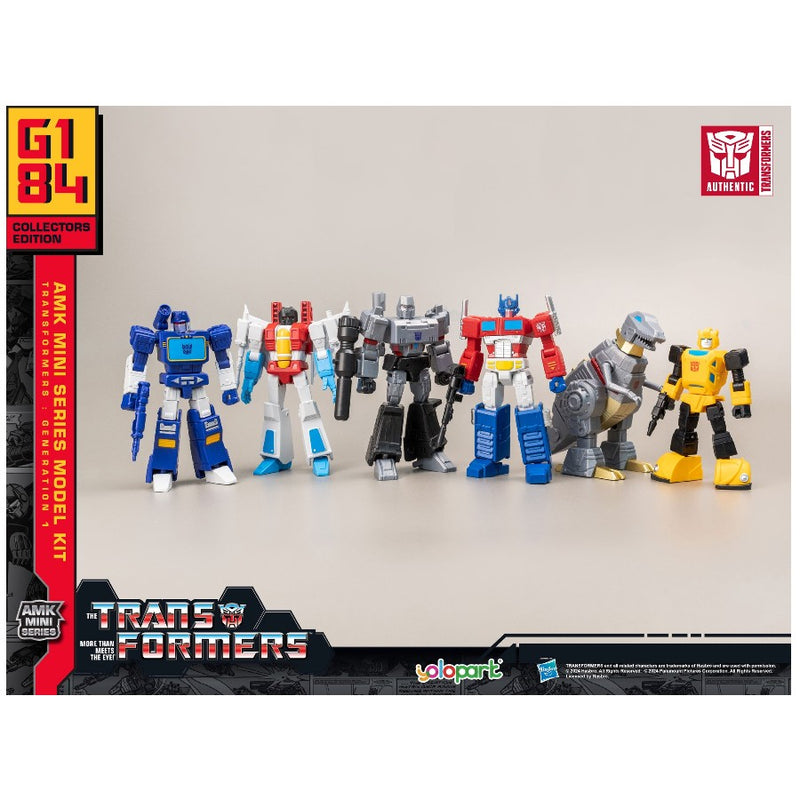
The Fascinating World of Model Kits
Model kits have long been a popular hobby for enthusiasts of all ages. From intricately detailed replicas of famous landmarks to realistic scale models of vehicles and aircraft, there is a wide variety of kits available to cater to every interest.
Building a model kit is not just about assembling pieces; it is a journey of creativity, patience, and precision. Each kit comes with its own set of challenges and rewards, making the process both enjoyable and fulfilling.
Types of Model Kits
Model kits can be categorised into different types based on their subject matter:
- Aircraft: From vintage biplanes to modern jets, aircraft model kits allow enthusiasts to recreate their favourite planes in miniature form.
- Automobiles: Car model kits come in various scales and levels of complexity, offering a chance to replicate classic cars or custom designs.
- Ships: Ship model kits range from historic vessels to contemporary warships, providing a glimpse into maritime history.
- Architecture: Architectural model kits allow builders to construct iconic buildings and structures with precision and attention to detail.
The Joy of Building
Assembling a model kit requires careful planning, dexterity, and an eye for detail. From painting tiny parts to applying decals, each step contributes to the overall realism of the finished model.
Many modellers find solace in the meditative process of building a kit, focusing their attention on creating something tangible and beautiful. The sense of accomplishment that comes from completing a challenging build is unmatched.
Community and Sharing
Model kit enthusiasts often come together to share their creations, exchange tips and techniques, and inspire one another. Online forums, social media groups, and local clubs provide avenues for connecting with like-minded individuals who appreciate the artistry of modelling.
Whether you are a seasoned modeller or new to the hobby, exploring the world of model kits offers endless possibilities for creativity and self-expression. So pick up a kit that sparks your interest and embark on a rewarding journey into the world of miniature craftsmanship!
Top 9 Tips for Perfecting Your Model Kit Craftsmanship
- Read the instructions carefully before starting.
- Organise your workspace to avoid losing small parts.
- Use a sharp hobby knife for precise cutting.
- Sand down rough edges for a smooth finish.
- Apply model glue sparingly to prevent excess spillage.
- Paint in thin layers for a professional look.
- Allow each layer of paint or glue to dry completely before adding more.
- Use tweezers for handling tiny pieces with ease.
- Take breaks to prevent eye strain and maintain focus.
Read the instructions carefully before starting.
It is essential to read the instructions carefully before embarking on a model kit project. The instructions provide valuable guidance on the assembly process, including the correct order of steps, painting guidelines, and decal placement. By familiarising yourself with the instructions beforehand, you can avoid potential mistakes and ensure a smoother building experience. Taking the time to understand the details outlined in the instructions will ultimately lead to a more successful and satisfying outcome when completing your model kit.
Organise your workspace to avoid losing small parts.
When working on a model kit, it is essential to organise your workspace efficiently to prevent the loss of small parts. By keeping your tools, components, and pieces neatly arranged and labelled, you can minimise the risk of misplacing or overlooking tiny elements crucial to the assembly process. A clutter-free workspace not only enhances your productivity but also ensures a smoother and more enjoyable modelling experience, allowing you to focus on the intricate details of your project without any unnecessary interruptions.
Use a sharp hobby knife for precise cutting.
When working with model kits, it is essential to use a sharp hobby knife for precise cutting. A sharp blade ensures clean and accurate cuts on plastic parts, allowing for better assembly and detailing. By using a sharp hobby knife, modellers can achieve intricate designs and smooth edges, enhancing the overall quality of their builds. Remember to handle the knife with care and always cut away from yourself to maintain safety while crafting your model kit masterpiece.
Sand down rough edges for a smooth finish.
When working on a model kit, it is essential to pay attention to details like sanding down rough edges to achieve a smooth finish. By carefully sanding the edges of the components, you can ensure that the final assembly looks seamless and professional. This simple tip not only enhances the overall appearance of the model but also improves its realism by eliminating any visible imperfections. Remember, a little extra effort in sanding can make a significant difference in the quality of your finished model kit project.
Apply model glue sparingly to prevent excess spillage.
When working with model kits, it is crucial to apply model glue sparingly to avoid excess spillage. By using just the right amount of glue, modellers can ensure precision in their assembly process and prevent any messy spills that could damage the delicate parts of the kit. This tip not only helps maintain the integrity of the model but also enhances the overall quality of the finished build.
Paint in thin layers for a professional look.
When working on a model kit, a valuable tip to achieve a professional finish is to apply paint in thin layers. By layering the paint gradually, you can build up depth and coverage while avoiding unsightly drips or uneven surfaces. This technique allows for better control over the colour intensity and ensures a smooth, flawless appearance that mimics the quality of professionally painted models. Remember, patience and attention to detail are key when striving for a polished and realistic finish on your model kit projects.
Allow each layer of paint or glue to dry completely before adding more.
It is crucial to allow each layer of paint or glue to dry completely before adding more when working on a model kit. Patience is key in model building, as rushing the process can lead to smudged paint, uneven surfaces, or weak bondings. By ensuring that each layer has dried thoroughly, you can achieve a smooth finish and secure connections between parts, resulting in a high-quality final product that showcases your attention to detail and craftsmanship.
Use tweezers for handling tiny pieces with ease.
When working on a model kit, a handy tip is to use tweezers for handling tiny pieces with ease. Tweezers provide precision and control, allowing you to place small components accurately without the risk of dropping or misplacing them. This simple tool can make intricate assembly tasks much more manageable and help you achieve a professional finish on your model.
Take breaks to prevent eye strain and maintain focus.
To ensure a pleasant and productive modelling experience, it is essential to incorporate regular breaks into your building sessions. Taking breaks not only helps prevent eye strain from prolonged focus on intricate details but also allows you to maintain concentration and clarity throughout the project. By stepping away periodically and giving your eyes a rest, you can return to your model kit with refreshed vision and renewed enthusiasm, ensuring that each component is assembled with precision and care.