
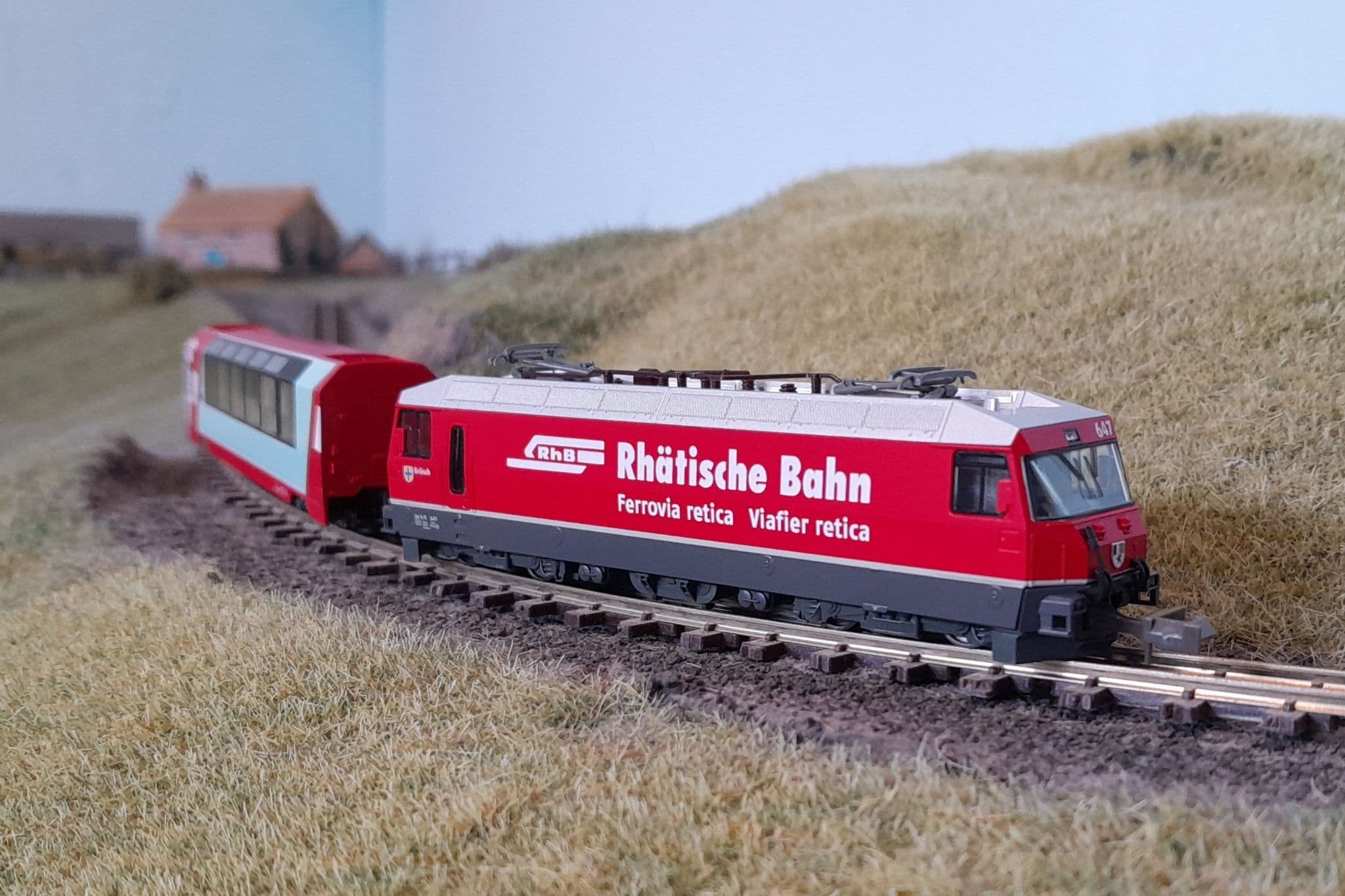
Kato N Gauge Trains: A Guide for Model Railway Enthusiasts
Kato is a well-known Japanese manufacturer of model railway equipment, including locomotives, carriages, track and accessories. Its N gauge range is popular with railway modellers who want detailed trains and layouts that make good use of limited space.
What is N gauge?
N gauge is a model railway scale that uses track with a gauge of 9 mm. The scale varies slightly between markets: many European and Japanese models are made to 1:160, while British N gauge models are commonly 1:148. This difference matters when combining trains from different ranges, particularly if accurate proportions are important.
What makes Kato trains popular?
Kato trains are often chosen for their smooth-running mechanisms, careful finish and dependable performance. The range includes locomotives and multiple-unit trains based on real railways, with a particularly broad selection of Japanese prototypes. Depending on the market and product range, modellers can also find trains representing other countries and railway eras.
Many Kato models are designed to run on the company’s Unitrack system. Its track sections have an integrated roadbed, making them straightforward to assemble, rearrange and pack away. This can be useful for beginners, temporary layouts and exhibition displays, as well as for experienced modellers planning a larger permanent railway.
Building a layout with Kato
A Kato N gauge layout can range from a simple oval on a table to a detailed railway with stations, scenery and several operating routes. N gauge allows a longer track plan to fit into a smaller area than larger scales, although small components and fine detail may require careful handling.
Before buying track or rolling stock, check that the products are compatible with the intended layout. Track systems from different manufacturers may connect, but their joining methods and dimensions can vary. Electrical requirements, couplings and curves also deserve attention. Some long trains need broader curves to run reliably and look convincing.
Getting started
A starter set is a convenient way to begin, as it may include a train, track and a controller. Check the contents and specifications before purchasing, since sets vary. If buying items separately, a basic plan might include a locomotive or train set, suitable track, a controller and a power supply intended for that system.
Regular care helps keep trains running smoothly. Keep rails clean, follow the manufacturer’s guidance for lubrication, and avoid applying oil where it is not recommended. Store models away from dust and handle small details gently.
A versatile choice for N gauge modelling
Kato combines compact trains with practical track options, making its products suitable for a wide range of layouts and experience levels. Whether the aim is to recreate a real railway or simply enjoy watching a train circle a small scenic layout, Kato N gauge equipment offers plenty of scope for creative modelling.
9 Reasons to Choose Kato N Gauge Trains for Your Model Railway
- Smooth-running mechanisms
- Fine, realistic detailing
- Reliable performance
- Compact N gauge scale
- Wide range of Japanese prototypes
- Useful Unitrack system
- Quick-to-assemble track sections
- Suitable for small layouts
- Options for beginners and experienced modellers
Kato N Gauge Trains: Fiddly Details, Costly Parts and Compatibility Challenges
- Small details can be fiddly to handle.
- Some models and parts may be expensive or hard to find.
- Compatibility with other brands’ track and couplings can vary.
Smooth-running mechanisms
Kato N gauge trains are well regarded for their smooth-running mechanisms, which help them move steadily and reliably around a layout. This can make a noticeable difference at low speeds, allowing trains to pull away gently, navigate curves and pass through stations with greater realism. For both new hobbyists and experienced modellers, dependable running means more time enjoying the railway and less time troubleshooting.
Fine, realistic detailing
Kato N gauge trains combine compact size with fine, realistic detailing, from carefully moulded bodywork and authentic colour schemes to subtle features that bring each model to life. This attention to detail helps locomotives and carriages look convincing on the layout, whether viewed up close or as part of a wider railway scene.
Reliable performance
Kato N gauge trains are valued for their reliable performance, with smooth-running mechanisms that help them travel steadily around the layout. With clean track and sensible maintenance, they can provide consistent operation for everyday running, whether on a simple starter set or a more ambitious railway.
Compact N gauge scale
One of the key advantages of Kato N gauge trains is their compact scale. Their small size makes it possible to create longer routes, more detailed scenery and multiple operating lines in a limited space, making them a practical choice for homes, clubs and exhibition layouts. Despite their compact dimensions, Kato models offer plenty of detail and can provide an engaging railway experience without requiring a large room.
Wide range of Japanese prototypes
Kato’s N gauge range offers an impressive selection of Japanese railway prototypes, from iconic Shinkansen bullet trains and commuter services to classic locomotives and regional trains. This variety makes it easier to recreate the character of Japan’s railways, whether you are modelling a busy city station or a quieter rural route.
Useful Unitrack system
Kato’s Unitrack system makes setting up an N gauge layout straightforward, thanks to track sections with an integrated roadbed that fit together securely. This makes it easy to assemble a railway, change its track plan or pack it away when space is limited. It’s a practical choice for beginners and experienced modellers alike, whether building a temporary layout or planning a more permanent one.
Quick-to-assemble track sections
Kato N gauge trains work particularly well with Kato Unitrack, whose quick-to-assemble sections make setting up a layout simple and convenient. The track pieces connect easily, so a basic route can be ready in minutes and rearranged whenever inspiration strikes. This makes Unitrack a practical choice for beginners, temporary layouts and modellers who enjoy experimenting with different track plans.
Suitable for small layouts
Kato N gauge trains are ideal for small layouts, as their compact size allows you to create a satisfying railway in limited space. You can fit longer trains, stations and scenic features into a smaller area than with larger scales, making them a practical choice for a spare room, desk or temporary display.
Options for beginners and experienced modellers
Kato N gauge trains offer options for beginners and experienced modellers alike. Newcomers can start with ready-to-run sets and easy-to-assemble Unitrack, while more experienced enthusiasts can choose from a wide range of locomotives, rolling stock and track components to build detailed layouts. This flexibility makes it easy to begin with a simple railway and expand it over time.
Small details can be fiddly to handle.
One drawback of Kato N gauge trains is that their small details can be fiddly to handle. Fine parts such as handrails, couplings and other fittings may be difficult to attach or adjust, especially for beginners or anyone with larger hands. They can also be easy to lose or damage, so careful handling and a pair of tweezers can help.
Some models and parts may be expensive or hard to find.
One drawback of Kato N gauge trains is that some models and replacement parts can be expensive or difficult to find. Limited production runs may sell out quickly, while specialist or imported items can cost more and take longer to obtain. This can make it harder to complete a particular train set or keep older models in good working order.
Compatibility with other brands’ track and couplings can vary.
One drawback of Kato N gauge trains is that compatibility with other manufacturers’ track and couplings can vary. Differences in track connections, rail profiles and coupling designs may mean that components do not work together smoothly without adapters or modifications. Before combining products from different brands, check their specifications and test the connection to help avoid unreliable running.