
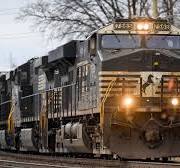
The Evolution of Diesel Locomotives in the World of Railways
Since their introduction in the early 20th century, diesel locomotives have revolutionised the way we think about rail transportation. These powerful engines have played a significant role in modernising railway systems across the globe, offering increased efficiency, reliability, and performance compared to their steam-powered predecessors.
Diesel locomotives are known for their versatility and ability to operate in a variety of environments, from rugged mountain terrains to urban city centres. Their fuel-efficient engines and lower maintenance requirements make them a popular choice for many railway operators looking to streamline their operations while reducing costs.
One of the key advantages of diesel locomotives is their flexibility in terms of power output. They can be easily adapted to pull different types of trains, from heavy freight trains carrying goods across long distances to high-speed passenger trains connecting major cities.
Over the years, advancements in technology have led to the development of more sophisticated diesel locomotives with improved performance and reduced emissions. Modern diesel engines are designed to meet stringent environmental standards while delivering exceptional power and efficiency.
Despite facing competition from electric and hybrid locomotives, diesel engines continue to be an integral part of many railway networks worldwide. Their reliability, cost-effectiveness, and ability to operate independently of electrified tracks make them a preferred choice for transporting goods and passengers efficiently.
In conclusion, diesel locomotives have left an indelible mark on the history of railways, shaping the way we travel and transport goods across vast distances. With ongoing innovations in engine technology and design, these mighty machines are set to remain a vital component of rail transportation for years to come.
Advantages of Diesel Locomotives: Efficiency, Versatility, and Global Reliability
- 1. Fuel-efficient engines help reduce operating costs.
- 2. Versatile and suitable for various types of trains and terrains.
- 3. Lower maintenance requirements compared to steam locomotives.
- 4. High power output for pulling heavy freight trains over long distances.
- 5. Can operate independently of electrified tracks, providing flexibility in route selection.
- 6. Improved performance and acceleration capabilities for faster journeys.
- 7. Modern diesel engines meet stringent environmental standards with reduced emissions.
- 8. Widely used worldwide due to their reliability and cost-effectiveness.
Challenges of Diesel Locomotives: Costs, Environmental Impact, and Performance Limitations
- Higher initial cost compared to steam locomotives
- Dependency on fossil fuels leading to environmental concerns
- Noise and vibrations produced by diesel engines can be disruptive
- Maintenance of diesel engines can be complex and costly
- Limited acceleration capabilities compared to electric locomotives
- Diesel emissions contribute to air pollution and greenhouse gas emissions
- Less energy-efficient than electric or hybrid locomotives
1. Fuel-efficient engines help reduce operating costs.
Diesel locomotives are praised for their fuel-efficient engines, which contribute significantly to reducing operating costs for railway operators. By consuming fuel more efficiently compared to other types of locomotives, diesel engines help to lower the overall expenses associated with running a railway network. This cost-saving benefit allows operators to allocate resources effectively, invest in infrastructure improvements, and ultimately enhance the sustainability of their operations. The fuel efficiency of diesel locomotives not only benefits the operators financially but also contributes to a more environmentally friendly approach to rail transportation by reducing overall fuel consumption and emissions.
2. Versatile and suitable for various types of trains and terrains.
Diesel locomotives offer a significant advantage in their versatility and suitability for a wide range of trains and terrains. These powerful engines can easily adapt to different types of rolling stock, from heavy freight trains to high-speed passenger services, making them a flexible choice for railway operators. Additionally, diesel locomotives are capable of operating in diverse terrains, including rugged mountain landscapes and urban city centres, showcasing their ability to navigate various environments with ease. This versatility makes diesel locomotives an ideal option for meeting the diverse needs of modern railway systems across the globe.
3. Lower maintenance requirements compared to steam locomotives.
Diesel locomotives offer the advantage of lower maintenance requirements compared to steam locomotives. This is due to their simpler design and fewer moving parts, resulting in reduced wear and tear over time. With less frequent maintenance intervals and lower overall upkeep costs, diesel locomotives provide a cost-effective and efficient solution for railway operators looking to maximise operational efficiency while minimising downtime for maintenance tasks.
4. High power output for pulling heavy freight trains over long distances.
Diesel locomotives are renowned for their high power output, making them ideal for pulling heavy freight trains over long distances. Their robust engines and torque capabilities enable them to haul substantial loads efficiently, navigating challenging terrains with ease. This impressive pulling power ensures that diesel locomotives can transport goods across vast distances without compromising on speed or performance, making them a reliable and indispensable asset in the transportation of heavy freight on railways.
5. Can operate independently of electrified tracks, providing flexibility in route selection.
Diesel locomotives offer the distinct advantage of being able to operate independently of electrified tracks, providing railway operators with greater flexibility in route selection. This feature allows diesel trains to traverse diverse terrains and reach remote locations where electrified infrastructure may be limited or non-existent. By offering the ability to navigate a wider range of routes, diesel locomotives ensure reliable transportation services even in areas where electric-powered trains may face limitations.
6. Improved performance and acceleration capabilities for faster journeys.
Diesel locomotives offer improved performance and acceleration capabilities, enabling faster journeys and more efficient transportation of goods and passengers. With their powerful engines and responsive acceleration, diesel locos can swiftly navigate through various terrains, ensuring timely arrivals and departures. This enhanced speed not only reduces travel times but also increases the overall productivity of railway operations, making diesel locomotives a preferred choice for achieving swift and reliable transportation solutions.
7. Modern diesel engines meet stringent environmental standards with reduced emissions.
Modern diesel engines used in locomotives have made significant strides in meeting stringent environmental standards by significantly reducing emissions. Through advancements in engine technology and exhaust treatment systems, diesel locomotives now produce lower levels of harmful pollutants, making them more environmentally friendly than older models. This improvement not only benefits the air quality near railway tracks but also contributes to a greener and more sustainable future for rail transportation.
8. Widely used worldwide due to their reliability and cost-effectiveness.
Diesel locomotives are widely used worldwide due to their exceptional reliability and cost-effectiveness. These powerful engines have earned a reputation for their robust performance and ability to operate in diverse environments with minimal maintenance requirements. Railway operators favour diesel locomotives for their efficiency in transporting goods and passengers over long distances, making them a cost-effective choice for many transportation needs. The reliability of diesel engines ensures consistent operation, contributing to the smooth functioning of railway networks across the globe.
Higher initial cost compared to steam locomotives
Diesel locomotives present a notable disadvantage in their higher initial cost when compared to traditional steam locomotives. The investment required to acquire and maintain diesel engines can be a significant financial burden for railway operators, especially those with limited budgets. This higher upfront expense may deter some organisations from transitioning to diesel technology, despite the long-term benefits in terms of efficiency and operational performance. The initial cost barrier remains a key consideration for many when evaluating the feasibility of adopting diesel locomotives within their rail networks.
Dependency on fossil fuels leading to environmental concerns
The significant con of diesel locomotives lies in their heavy dependency on fossil fuels, primarily diesel, which raises pressing environmental concerns. The combustion of fossil fuels in diesel engines releases harmful emissions such as carbon dioxide and nitrogen oxides, contributing to air pollution and climate change. The reliance on non-renewable resources also poses sustainability challenges, as finite fossil fuel reserves are depleted with each journey undertaken by diesel locomotives. As the world increasingly focuses on reducing carbon footprints and transitioning towards greener alternatives, the environmental impact of diesel locomotives remains a critical issue that necessitates sustainable solutions for the future of rail transportation.
Noise and vibrations produced by diesel engines can be disruptive
The noise and vibrations generated by diesel locomotives can pose a significant drawback, causing disruptions to both passengers and nearby residents. The constant rumble of diesel engines and the vibrations they produce can be intrusive and disruptive to the surrounding environment, impacting the quality of life for those living or working in close proximity to railway lines. Efforts to mitigate these disturbances through soundproofing measures and improved engine technology are ongoing, highlighting the need for continued innovation in addressing this con of diesel locomotives.
Maintenance of diesel engines can be complex and costly
The maintenance of diesel engines in locomotives can present a significant challenge due to its complexity and associated costs. Diesel engines require regular servicing, inspections, and repairs to ensure optimal performance and longevity. The intricate components and systems within diesel locomotives demand specialised expertise and resources for maintenance tasks, which can escalate operational expenses for railway operators. Addressing issues promptly and conducting preventive maintenance measures are essential to mitigate the risk of costly breakdowns and downtime, underscoring the importance of diligent upkeep in managing the complexities of diesel engine maintenance in locomotives.
Limited acceleration capabilities compared to electric locomotives
Diesel locomotives, while versatile and reliable in many aspects, are often criticised for their limited acceleration capabilities when compared to electric locomotives. This drawback can lead to slower acceleration rates and longer journey times, particularly in situations where rapid acceleration is essential, such as navigating steep inclines or making frequent stops on commuter routes. The slower acceleration of diesel locomotives can impact overall operational efficiency and passenger satisfaction, highlighting the need for continued advancements in engine technology to address this con and enhance the performance of diesel-powered trains.
Diesel emissions contribute to air pollution and greenhouse gas emissions
Diesel locomotives, while efficient and powerful, pose a significant environmental challenge due to their emissions. The combustion of diesel fuel in these engines releases pollutants into the air, contributing to air pollution and greenhouse gas emissions. The particulate matter and nitrogen oxides emitted by diesel locomotives can have harmful effects on human health and the environment, leading to respiratory problems and contributing to climate change. Addressing the impact of diesel emissions is crucial in mitigating air pollution and reducing our carbon footprint in the transportation sector.
Less energy-efficient than electric or hybrid locomotives
Diesel locomotives, while versatile and reliable, are often criticised for being less energy-efficient compared to electric or hybrid locomotives. The combustion of diesel fuel in traditional engines results in lower overall energy efficiency, leading to higher fuel consumption and emissions. This inefficiency not only contributes to increased operating costs but also has a negative impact on the environment due to higher levels of carbon emissions. As the world shifts towards more sustainable modes of transportation, the lower energy efficiency of diesel locomotives poses a significant challenge in meeting environmental goals and reducing reliance on fossil fuels in the railway industry.