
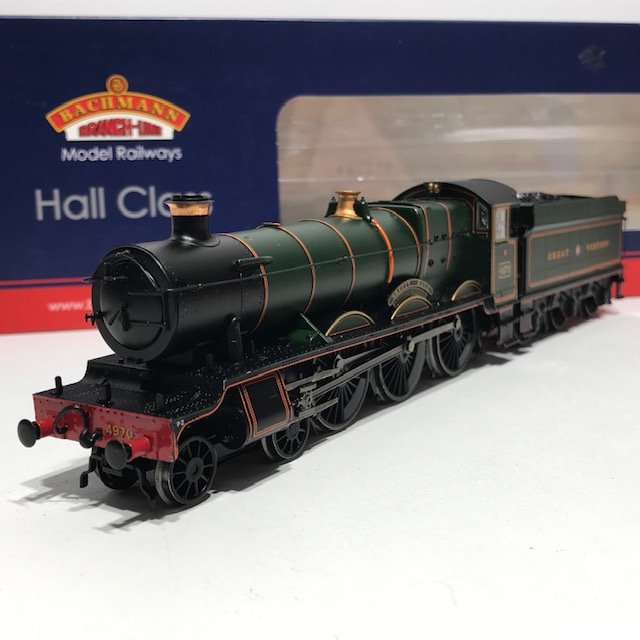
The Fascinating World of DCC Model Railways
Model railways have long captivated enthusiasts with their intricate designs and lifelike representations of train operations. One of the most exciting developments in the world of model railways is the advent of Digital Command Control (DCC) technology.
DCC allows modellers to control multiple trains on the same track independently, offering a level of realism and flexibility that was previously unattainable. Instead of relying on traditional analogue control systems where each locomotive responds to the same signal, DCC-equipped trains can be controlled individually through a digital command station.
One of the key advantages of DCC is the ability to assign unique addresses to each locomotive, enabling precise control over speed, direction, lighting, and sound functions. This level of detail enhances the overall experience for modellers and adds a new dimension to operating model railways.
Furthermore, DCC systems often come with additional features such as programming capabilities, route control, and automation options. Modellers can create more realistic operations by simulating prototypical train movements and interactions.
Building a DCC model railway involves installing decoders in locomotives and connecting them to the DCC system via the track. Modellers can then use handheld controllers or computer interfaces to manage their trains with ease.
Whether you are a seasoned modeller looking to enhance your layout or a newcomer intrigued by the possibilities of DCC technology, exploring the world of DCC model railways opens up a whole new realm of creativity and innovation in model railroading.
Top 5 Tips for Enhancing Your DCC Model Railway Experience
- Plan your layout carefully to make the most of the available space.
- Ensure proper track cleaning for smooth operation of trains.
- Use quality wiring and connectors for reliable electrical connections.
- Experiment with different locomotives and rolling stock to add variety to your collection.
- Join online forums or local clubs to learn from experienced modellers and share ideas.
Plan your layout carefully to make the most of the available space.
When delving into the realm of DCC model railways, it is crucial to meticulously plan your layout to optimise the use of the space at hand. Thoughtful consideration of track placement, scenery elements, and operational features can maximise the potential of your model railway. By carefully designing the layout, modellers can create a cohesive and engaging environment that showcases the capabilities of DCC technology while making efficient use of the available space.
Ensure proper track cleaning for smooth operation of trains.
To ensure the smooth operation of trains on your DCC model railway, it is essential to maintain proper track cleaning. Clean tracks are crucial for maintaining good electrical contact between the locomotive wheels and the rails, ensuring reliable power delivery and smooth movement of trains. Regularly inspecting and cleaning the tracks using appropriate tools and solutions will help prevent build-up of dirt, dust, and oxidation that can hinder train performance. By prioritising track maintenance, modellers can enjoy uninterrupted operation and maximise the performance of their DCC model railway layout.
Use quality wiring and connectors for reliable electrical connections.
Ensuring reliable electrical connections is crucial in DCC model railways to maintain smooth operations and prevent potential issues. Using high-quality wiring and connectors is essential for transmitting power efficiently and consistently throughout the layout. By investing in reliable components, modellers can minimise the risk of signal loss, voltage drops, or connectivity problems, ultimately enhancing the overall performance and reliability of their DCC system.
Experiment with different locomotives and rolling stock to add variety to your collection.
To enhance the diversity and visual interest of your DCC model railway collection, consider experimenting with a range of locomotives and rolling stock. By incorporating different types of trains, from steam engines to modern diesel locomotives, as well as a variety of freight and passenger cars, you can bring a dynamic and authentic feel to your layout. Mixing and matching various models not only adds visual appeal but also allows you to explore different eras, regions, and operational scenarios within your model railway world.
Join online forums or local clubs to learn from experienced modellers and share ideas.
Engaging with online forums or local model railway clubs is a valuable tip for anyone interested in DCC model railways. By joining these communities, enthusiasts can tap into a wealth of knowledge and experience from seasoned modellers. Sharing ideas, seeking advice, and learning about the latest techniques and technologies can significantly enhance one’s understanding and enjoyment of DCC model railway building. The camaraderie and support found in these forums and clubs create a vibrant environment where modellers can connect, collaborate, and grow together in their passion for model trains.