
The Mystique of Abandoned Steam Locomotives
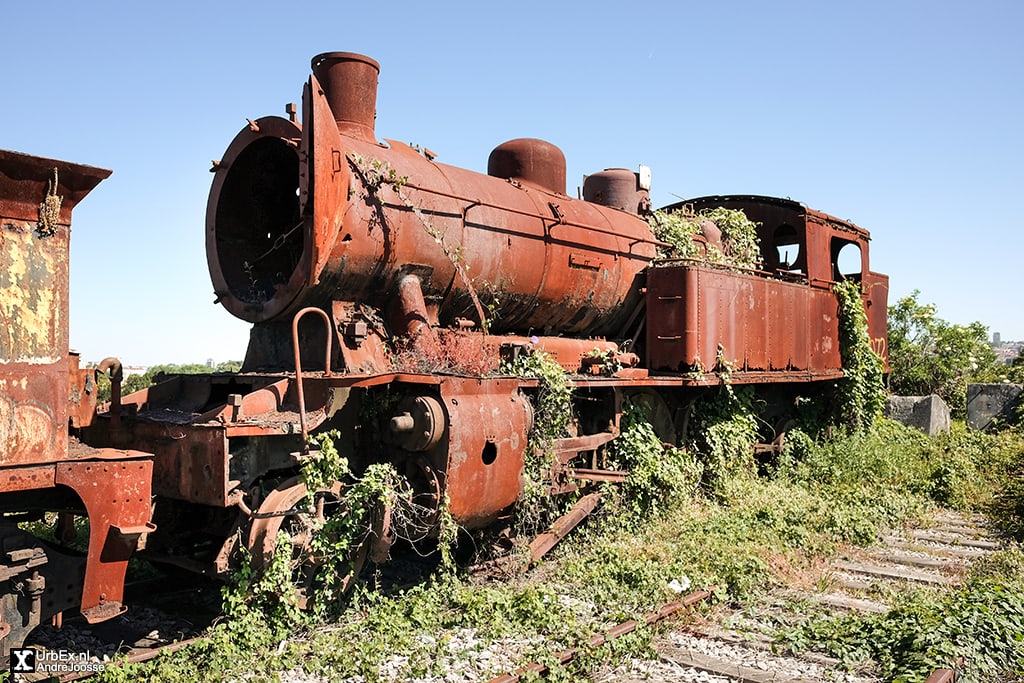
Abandoned steam locomotives scattered across forgotten railway yards and remote landscapes evoke a sense of nostalgia and mystery. These majestic machines, once the epitome of industrial innovation and transportation prowess, now stand silent and rusting, bearing witness to a bygone era.
Each abandoned locomotive has a story to tell, whispering tales of journeys undertaken, passengers transported, and goods delivered. The peeling paint, weathered metal, and overgrown vegetation that envelop these relics only add to their allure.
Exploring these relics of the past can be a haunting experience. As you walk through the deserted train yards or stumble upon a lone locomotive in the wilderness, you can’t help but feel a connection to history. The echoes of steam whistles and the rhythmic chugging of engines seem to linger in the air.
Despite their current state of decay, abandoned steam locomotives continue to captivate railway enthusiasts and history buffs alike. Some see them as symbols of progress halted, while others view them as reminders of the human ingenuity that powered the industrial revolution.
Preservation efforts are underway to save these relics from complete oblivion. Restoration projects aim to breathe new life into these dormant giants, bringing them back to their former glory for future generations to admire and appreciate.
As we gaze upon these abandoned steam locomotives standing stoically against the test of time, we are reminded of the legacy they represent – a testament to human ambition, engineering marvels, and the enduring spirit of exploration that once powered these iron behemoths across vast distances.
Exploring Abandoned Steam Locomotives: A Guide to Historical Research, Safety, and Preservation
- Research the history of the abandoned steam locomotive to understand its significance.
- Take precautions when exploring abandoned locomotives, as they can be hazardous environments.
- Document the condition of the locomotive through photographs or notes for preservation purposes.
- Respect private property laws when accessing abandoned steam locomotives on private land.
- Consider reporting any abandoned locomotives to local authorities or historical societies for proper preservation.
- Be mindful of environmental impact when interacting with abandoned steam locomotives.
Research the history of the abandoned steam locomotive to understand its significance.
To truly appreciate the allure of an abandoned steam locomotive, it is essential to delve into its history and unravel the stories hidden within its rusted frame. Researching the background of the locomotive not only sheds light on its technical specifications and design but also unveils its historical significance in the context of railway development and industrial heritage. Understanding the journey that this once-mighty machine undertook can provide valuable insights into the era it operated in, the people it served, and the impact it had on shaping transportation networks. By immersing oneself in the history of an abandoned steam locomotive, one can forge a deeper connection with this tangible link to our railway past.
Take precautions when exploring abandoned locomotives, as they can be hazardous environments.
It is crucial to exercise caution when venturing into abandoned steam locomotives, as these sites can pose various hazards. From unstable structures and sharp edges to potential exposure to hazardous materials like asbestos or lead paint, exploring these relics requires careful attention to safety. Always ensure you have the necessary protective gear, such as sturdy footwear, gloves, and a mask, and be mindful of your surroundings to avoid accidents or injury. By taking precautions and respecting the risks associated with abandoned locomotives, you can enjoy their historical charm while prioritising your well-being.
Document the condition of the locomotive through photographs or notes for preservation purposes.
To ensure the preservation of abandoned steam locomotives, it is crucial to meticulously document their condition through photographs or detailed notes. Capturing the current state of these historical artefacts not only serves as a valuable record for future restoration efforts but also helps in understanding the extent of deterioration over time. By documenting every detail, from rust patterns to structural integrity, enthusiasts and preservationists can work towards safeguarding these iconic locomotives for generations to come.
Respect private property laws when accessing abandoned steam locomotives on private land.
It is essential to uphold respect for private property laws when seeking access to abandoned steam locomotives located on private land. While the allure of exploring these historical relics may be strong, it is crucial to obtain proper permission from landowners before venturing onto their property. Respecting boundaries and regulations ensures not only the preservation of these locomotives but also demonstrates a responsible and ethical approach to engaging with our industrial heritage.
Consider reporting any abandoned locomotives to local authorities or historical societies for proper preservation.
When encountering abandoned steam locomotives, it is advisable to consider reporting their presence to local authorities or historical societies for appropriate preservation measures. By notifying the relevant organisations, these historical relics can potentially be safeguarded, restored, and showcased for future generations to appreciate and learn from. Proper preservation efforts can help protect the cultural significance and heritage of these abandoned locomotives, ensuring that their stories continue to be shared and celebrated in the realm of railway history.
Be mindful of environmental impact when interacting with abandoned steam locomotives.
It is crucial to be mindful of the environmental impact when interacting with abandoned steam locomotives. These relics are not only historical treasures but also part of the natural landscape they inhabit. Respecting their surroundings by avoiding littering, vandalism, or disturbing wildlife ensures that these remnants of the past can be appreciated by future generations in their original context. By treading lightly and treating these sites with care, we can preserve the integrity of both the locomotives and their environment for years to come.