
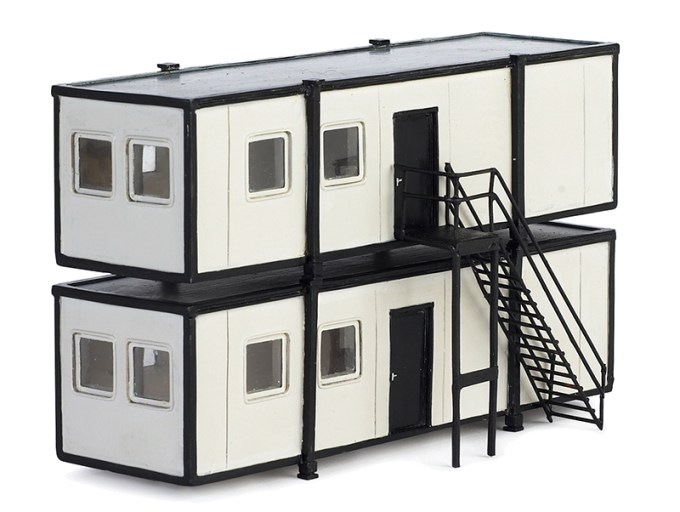
00 Scale Buildings: Bringing a Model Railway to Life
Buildings help turn a collection of model trains and track into a convincing miniature world. From a busy station to a row of terraced houses, carefully chosen structures give a layout character, suggest its location and era, and help tell a story. For many UK model railway enthusiasts, 00 gauge is a popular choice, and its buildings offer plenty of scope for creativity.
What does 00 scale mean?
00 gauge track has a rail spacing of 16.5 mm and is generally used with models built to a scale of 1:76.2. In other words, one centimetre on a model represents about 76 centimetres in real life. The terms “00 gauge” and “00 scale” are often used together, although gauge refers to the distance between the rails, while scale describes the size of the model.
Buildings made for 00 layouts are designed to look in proportion with 1:76.2 trains and figures. However, ranges can vary slightly, so it is worth checking the stated scale before buying. Some railway accessories are made to other scales and may look noticeably too large or small beside 00 gauge stock.
Choosing buildings for your layout
The right buildings depend on the setting you want to create. A layout representing a rural branch line might include a small station, a signal box, a goods shed and a few cottages. An urban scene could feature shops, factories, warehouses and closely packed houses. For a modern setting, offices, industrial units and car parks may be more suitable.
It helps to decide on a location and period before selecting structures. British architecture varies considerably between regions, and a Scottish station, a Midlands industrial town and a Cornish village will each have distinctive features. Matching buildings to the railway’s era also helps create a coherent scene: a modern retail park may look out of place beside steam-era infrastructure unless the layout is deliberately showing a changing landscape.
Kits, ready-made models and scratch-building
Ready-made buildings are a convenient option for adding detail quickly. They can often be placed straight on the layout, though a little weathering or landscaping can help them blend into their surroundings.
Building kits offer more opportunity to personalise a scene. They are available in materials such as plastic, card and laser-cut wood, and range from straightforward models to intricate projects. Before starting, check that the kit suits your experience, tools and available space. Dry-fitting the parts before applying glue can help reveal any adjustments needed.
For a completely individual result, some modellers adapt kits or build structures from scratch. Photographs, maps and measurements of real buildings can provide useful references. Even small changes—such as a different roof, altered windows or a new shopfront—can make a familiar kit feel unique.
Planning position and proportions
Buildings should complement the railway rather than compete with it. Leave enough room for trains, platforms, roads and footpaths, and consider how people would move through the scene. A station building needs a plausible relationship to its platform; a goods shed should have suitable access for railway operations; and houses look more natural when arranged along a street or path.
Model buildings can sometimes appear too tall or crowded, especially in a small layout. Selective compression—reducing the size or depth of a structure while preserving its recognisable features—can make a scene fit without losing its sense of place. Background buildings are often made shallower than foreground ones, helping create an impression of distance.
Adding realistic detail
Finishing touches can make a major difference. Painting window frames, adding signs and gutters, and applying subtle weathering can give a building a lived-in appearance. Brickwork might show soot near a chimney, while a station platform could have faded paint and worn edges. Weathering is most convincing when it reflects how the building is used and where it stands.
Lighting can bring a layout to life, particularly in scenes viewed indoors or at exhibitions. Small lights in station rooms, shops or houses suggest activity, but should be used selectively. A mixture of lit and unlit windows usually looks more natural than having every room brightly illuminated.
Creating a convincing miniature world
00 scale buildings are more than scenery: they establish the setting and give railway operations a context. By choosing structures that suit the location and period, planning their position carefully and adding thoughtful details, modellers can create scenes that reward a closer look. Whether using a simple kit or designing a building from scratch, every structure is an opportunity to add character to the layout.
9 Tips for Realistic OO Scale Buildings on Your Model Railway
- Check that buildings suit OO scale before buying.
- Measure the baseboard to plan your street layout.
- Mix building heights for a more natural skyline.
- Use brick papers or paint for realistic walls.
- Add weathering lightly around roofs and chimneys.
- Fit warm LEDs to create cosy lit interiors.
- Leave space for pavements and access roads.
- Use clear glue on windows to avoid smears.
- Add signs, gutters and downpipes for extra detail.
Check that buildings suit OO scale before buying.
Before buying a building for your layout, check that it is designed for OO scale (typically 1:76.2). Products labelled for a different scale may look noticeably too large or small beside your trains, figures and other scenery. Check the manufacturer’s stated scale and dimensions, and compare them with buildings already on your layout to help keep the scene in proportion.
Measure the baseboard to plan your street layout.
Before choosing 00 scale buildings, measure your baseboard and sketch out the street layout to make the best use of the available space. Mark the positions of roads, pavements and buildings, allowing room for railway tracks and access routes. Planning these proportions in advance helps create a natural-looking street scene without overcrowding the layout.
Mix building heights for a more natural skyline.
Varying the heights of buildings helps create a more natural skyline and makes a 00 scale scene feel less uniform. Combine low cottages or shops with taller houses, warehouses or station buildings, while keeping their sizes in keeping with the setting and period. Placing taller structures towards the back can also add a sense of depth without overwhelming the railway.
Use brick papers or paint for realistic walls.
Use brick papers or carefully applied paint to give 00 scale buildings realistic-looking walls. Brick papers provide consistent colour and mortar lines, while painting lets you create a finish tailored to your scene. For a more convincing result, vary the tones slightly and add subtle weathering around windows, doorways and rooflines.
Add weathering lightly around roofs and chimneys.
Apply weathering sparingly around roofs and chimneys to suggest the effects of soot, rain and age. A light dusting of darker pigment near a chimney or subtle streaks beneath roof edges can add realism without making the building look neglected. Build up the effect gradually, checking it from normal viewing distance as well as close up.
Fit warm LEDs to create cosy lit interiors.
Fit warm-white LEDs inside 00 scale buildings to create a cosy, welcoming glow, especially in evening scenes. Use them sparingly and vary which rooms are lit to make the interiors look more natural. Before fitting the LEDs, check that the wiring and power supply are suitable, and conceal the wires wherever possible for a tidy finish.
Leave space for pavements and access roads.
When placing 00 scale buildings, leave enough room for pavements and access roads so the scene feels practical and believable. Allow space for people to walk between buildings, reach entrances and move around corners, while roads should connect naturally to nearby streets, yards or car parks. Planning these routes before fixing buildings in place helps avoid cramped scenery and makes the layout easier to detail.
Use clear glue on windows to avoid smears.
When fitting windows into 00 scale buildings, use a small amount of clear-drying glue to keep the glazing neat. Apply it sparingly around the edges with a fine applicator, taking care not to let it spread across the pane. Too much glue can leave visible smears or cloud the clear plastic, spoiling the finished look. Allow the adhesive to dry fully before handling the building.
Add signs, gutters and downpipes for extra detail.
Adding signs, gutters and downpipes is a simple way to make 00 scale buildings look more convincing. Shop signs can suggest the building’s purpose and add a touch of local character, while gutters and downpipes create realistic lines along walls and roof edges. Keep the details in proportion, and consider lightly weathering them so they blend naturally with the rest of the model.