
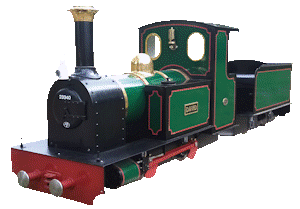
The Enduring Appeal of the Miniature Model Railway
A miniature model railway is far more than a collection of trains running around a track. It is a small, carefully crafted world: a place where landscapes, buildings and moving trains come together to tell a story. Whether it fills a spare room or sits on a modest tabletop, a model railway offers a rewarding blend of creativity, engineering and hands-on enjoyment.
What Makes a Model Railway?
At its heart, a model railway combines a track layout with miniature locomotives and rolling stock. Around the rails, enthusiasts build scenery such as hills, rivers, stations, bridges and towns. Small details—including signals, platforms, fences and figures—help bring the scene to life.
Some layouts recreate a real railway or a particular period in history. Others are entirely imaginary, giving their builders the freedom to invent places, industries and stories of their own.
Choosing a Scale
Model railways are made in different scales, each offering a different balance between detail and available space. OO gauge is a popular choice in the UK, while N gauge allows a longer route to fit into a smaller area. Larger scales can make locomotives and scenery easier to handle, but require more room.
The best scale depends on the space available, the type of railway you want to build and the models you would most enjoy collecting. It is worth exploring different scales before buying track and trains, as equipment is generally designed to work within its own scale and gauge.
Planning and Building a Layout
A successful layout begins with a plan. Consider the space available, where the layout will be viewed from and how the trains will operate. A simple loop can be an excellent starting point, while sidings and stations provide opportunities for shunting and more varied movements.
Track should be laid carefully on a stable base, with smooth joins and gentle curves wherever possible. Once trains run reliably, scenery can be added in stages. Foam, card, plaster, natural materials and purpose-made modelling products can all help create convincing terrain. Painting and texturing the landscape before adding fine details often makes the finished scene feel more cohesive.
More Than Watching Trains Go By
Operating a model railway can be as absorbing as building one. Trains can follow a timetable, deliver goods, collect passengers or move between stations and sidings. Digital control systems can allow several trains to run independently, while traditional analogue control remains a straightforward option for many layouts.
Good operation does not depend on complexity. Even a small railway can feel busy and believable when its movements have a purpose. A passenger service, a freight train and a little shunting can give a compact layout plenty of character.
A Hobby for Every Skill Level
Model railways bring together many interests: railway history, design, electronics, painting, carpentry and miniature scenery. There is always something new to learn, but there is no need to master everything at once. Starting with a simple layout and adding to it over time makes the hobby manageable and enjoyable.
Clubs, exhibitions and online communities can also provide inspiration and practical advice. Sharing ideas with other enthusiasts is a great way to discover new techniques and see how different people approach the same challenges.
Creating a World of Your Own
The appeal of a miniature model railway lies in the freedom to build a world at your own pace. It might be a faithful recreation of a familiar station, a fictional branch line or a bustling industrial scene. Every choice—from the shape of the track to the colour of a station sign—helps give the layout its own identity.
With a little planning, patience and imagination, even a small space can become a railway scene full of movement and detail. For many enthusiasts, that is the lasting pleasure of the hobby: building a miniature world and watching it come to life.
7 Essential Tips for Building and Caring for Your Model Railway
- Plan your layout before laying track.
- Choose a scale that suits your space.
- Keep track joints clean and secure.
- Test trains often as you build.
- Use thin layers when painting scenery.
- Add details gradually to avoid clutter.
- Store models away from dust and sunlight.
Plan your layout before laying track.
Plan your miniature model railway layout before laying any track. Sketch out the route, stations, sidings and scenery, taking account of the space available and how you want the trains to run. Careful planning helps avoid awkward curves, cramped sections and costly changes later, while making it easier to create a railway that is both reliable and enjoyable to operate.
Choose a scale that suits your space.
Choose a scale that suits your available space and the kind of layout you want to build. Smaller scales, such as N gauge, let you fit longer tracks and more scenery into a compact area, while larger scales offer more detail but need more room. Before buying, measure your space and consider how much railway, scenery and access you will need.
Keep track joints clean and secure.
Keep track joints clean and secure to help your miniature trains run smoothly and reliably. Dust, dirt and loose connections can interrupt the electrical supply, causing trains to slow down, stutter or stop. Gently clean the rails and check that each track section is firmly aligned, with no gaps or raised edges at the joints. Regular checks can prevent frustrating faults and keep your railway running at its best.
Test trains often as you build.
Test your trains regularly as you build your miniature model railway. Running them after laying each section of track helps you spot loose connections, uneven joints and tight curves before they are hidden by scenery. Early testing also makes it easier to check that locomotives and rolling stock run smoothly, saving time and frustration as the layout takes shape.
Use thin layers when painting scenery.
When painting scenery for a miniature model railway, build up colour in thin layers rather than applying one thick coat. Thin paint is easier to control, dries more evenly and helps preserve fine details such as rock textures, grass and brickwork. Allow each layer to dry before adding the next, gradually deepening the colour until the scene looks natural and balanced.
Add details gradually to avoid clutter.
Add details gradually to keep your miniature model railway looking realistic rather than cluttered. Start with the main features, such as buildings, platforms and larger scenery, then add smaller touches like signs, fences, figures and trackside equipment. Step back regularly to see how the whole layout looks, and leave some areas less busy so each detail has room to stand out.
Store models away from dust and sunlight.
Store your miniature railway models in a clean, dry place, away from dust and direct sunlight. Dust can settle on delicate details and moving parts, while prolonged exposure to sunlight may fade paint and damage plastic. When models are not in use, keep them in their original boxes or a covered display cabinet, and handle them carefully when cleaning.