
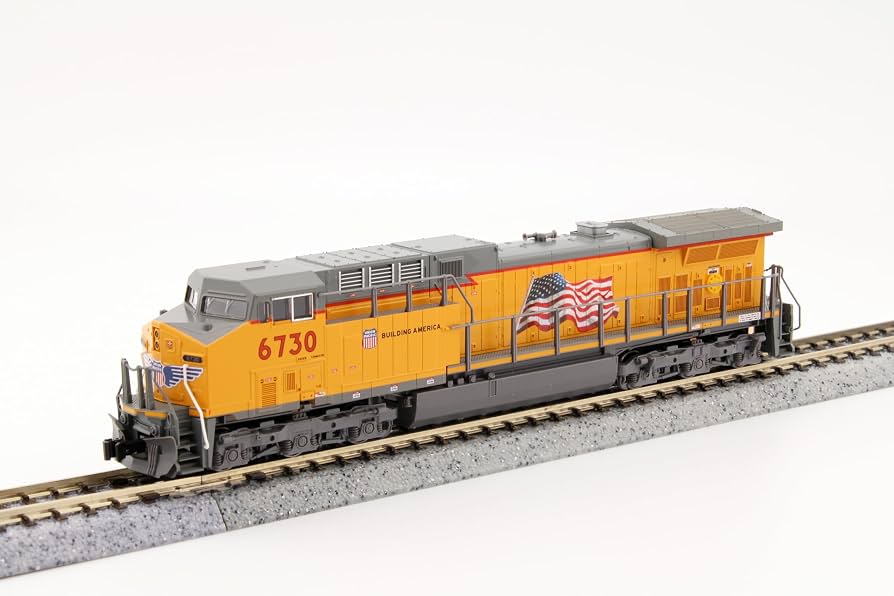
Kato N Scale Locomotives: Small Models with Big Appeal
Kato is one of the best-known names in model railways, particularly among enthusiasts building layouts in N scale. Its locomotives combine compact size with dependable running and carefully presented detail, making them a popular choice for both new modellers and experienced railway hobbyists.
What Is N Scale?
N scale allows a modeller to create a substantial railway in a relatively small space. The track gauge is typically 9 mm, but the exact scale ratio can vary by market and prototype. Many Kato models of North American and Japanese trains are made to around 1:160, while British N gauge commonly uses 1:148. It is worth checking the specifications of a particular locomotive before buying, especially when mixing models from different regions.
Why Choose a Kato Locomotive?
Kato locomotives are widely appreciated for smooth, consistent running. A well-maintained model can crawl at low speeds, accelerate steadily and handle regular operating sessions with confidence. These qualities are especially useful on compact layouts, where tight curves and short trains can make reliable performance important.
The range includes locomotives based on different railway traditions, from Japanese commuter and high-speed trains to North American freight and passenger power. Designs, detailing and features vary between models, so the best choice depends on the railway you want to represent and the way you plan to run it.
Choosing the Right Model
Before choosing a locomotive, consider the following:
- Prototype and region: Select a model that suits the railway, era and setting of your layout.
- Track compatibility: Check that the locomotive is suitable for your track system and the curves on your layout.
- Couplings: Coupling styles can differ, so check whether the locomotive will work with your existing rolling stock.
- Lighting and detail: Features vary, including directional lights, cab detail and other model-specific touches.
- Digital control: If you use DCC, check whether the locomotive is decoder-ready, has a decoder fitted, or requires modification. Compatibility differs between models.
Getting the Best Performance
Even a reliable locomotive benefits from clean track and sensible care. Keep the rails free from dust and fingerprints, and follow the manufacturer’s instructions for cleaning and maintenance. When running a new model, start at a low speed and allow it to run in according to its documentation. Avoid forcing a locomotive through tight curves or running it for long periods if it begins to make unusual noises or behave inconsistently.
It is also helpful to match the locomotive to the job. A model intended for passenger service may have different operating characteristics from a freight locomotive, while the number of cars it can pull depends on track conditions, gradients and the condition of the model.
A Strong Choice for N Scale Layouts
Kato N scale locomotives offer a compelling combination of compact proportions, dependable operation and a broad range of railway subjects. Whether you are starting a first layout or adding a new prototype to an established collection, careful attention to scale, track, couplings and control requirements will help you choose a model that fits your railway.
Top 7 Advantages of Kato N Scale Locomotives: A Perfect Choice for Modellers
- Smooth, reliable running
- Excellent low-speed control
- Fine, crisp detailing
- Wide range of prototypes
- Compact for space-saving layouts
- Durable, quality construction
- Great for beginners and enthusiasts
Considerations When Choosing Kato N Scale Locomotives: 7 Potential Drawbacks
- Can be expensive compared with some alternatives.
- Availability varies by region and model.
- Some models have limited prototype choices.
- DCC compatibility varies between models.
- Couplings may not suit every rolling stock range.
- Fine details can be delicate.
- Some models need generous curves to run smoothly.
Smooth, reliable running
Kato N scale locomotives are well regarded for their smooth, reliable running, making them a pleasure to operate on layouts of all sizes. They can move steadily at low speeds and respond consistently to changes in power, helping trains negotiate curves and stations with confidence. With clean track and routine care, their dependable performance can support enjoyable, trouble-free running sessions.
Excellent low-speed control
Kato N scale locomotives are well regarded for their excellent low-speed control, allowing them to move smoothly and steadily even at a crawl. This makes delicate manoeuvres—such as bringing a train into a station, coupling wagons or negotiating a compact layout—easier and more realistic. Fine speed control also helps modellers enjoy measured, prototypical operation without sudden starts or stops.
Fine, crisp detailing
Kato N scale locomotives are admired for their fine, crisp detailing, which brings out the character of each prototype despite the models’ compact size. From sharply moulded body lines and grilles to neatly applied paintwork and markings, these thoughtful details help each locomotive look convincing on the layout. The result is a model that rewards close inspection while remaining well suited to realistic everyday operation.
Wide range of prototypes
One of the major advantages of Kato N scale locomotives is the wide range of prototypes available. From Japanese commuter and high-speed trains to North American freight and passenger locomotives, the selection offers plenty of options for modelling different railways, regions and eras. This variety makes it easier to find a locomotive that suits your layout and gives collectors the chance to explore railway subjects from around the world.
Compact for space-saving layouts
Kato N scale locomotives are ideal for space-saving layouts, as their compact size allows you to create a varied railway in a smaller area. You can fit longer runs of track, multiple routes and detailed scenery into a space where larger-scale models may be impractical, without giving up the enjoyment of operating realistic trains.
Durable, quality construction
Kato N scale locomotives are known for their durable, quality construction, making them well suited to regular running as well as careful display. Their components are designed to work together reliably, while the robust build helps them withstand the demands of everyday handling and operation. With sensible care and maintenance, a Kato locomotive can remain a dependable part of a model railway for years.
Great for beginners and enthusiasts
Kato N scale locomotives are a great choice for beginners and experienced enthusiasts alike. New modellers can appreciate their reliable running and straightforward operation, while seasoned hobbyists can enjoy the range of prototypes, fine detailing and opportunities to build realistic layouts in a compact space. Whether starting a first collection or adding to an established railway, there’s a Kato locomotive to suit a variety of interests and experience levels.
Can be expensive compared with some alternatives.
One potential drawback of Kato N scale locomotives is their price: they can be more expensive than some alternatives. For modellers on a budget, the higher cost may make it harder to build a fleet or expand a layout quickly, so it is worth comparing prices and features before buying.
Availability varies by region and model.
Availability can vary considerably by region and model. A locomotive that is easy to find in one market may be difficult to source elsewhere, while popular releases can sell out quickly or only appear as limited runs. This can make it harder to complete a particular fleet, and buyers may need to check specialist retailers, compare prices or wait for a re-release.
Some models have limited prototype choices.
One drawback of Kato N scale locomotives is that the choice of prototypes can be limited for certain railways, regions or eras. Although the range includes many popular models, enthusiasts looking for less common locomotives may struggle to find an exact match and may need to consider another manufacturer, a second-hand model or a compromise.
DCC compatibility varies between models.
One drawback of Kato N scale locomotives is that DCC compatibility varies between models. Some are decoder-ready, while others may need modification or specialist installation, and certain models can be more challenging to convert because of their compact design. Before buying, check the manufacturer’s specifications and confirm that the locomotive will work with your DCC system.
Couplings may not suit every rolling stock range.
One potential drawback of Kato N scale locomotives is that their couplings may not be compatible with every rolling stock range. If you mix models from different manufacturers, you may find that the couplings do not connect reliably or look consistent. Check compatibility before buying, or consider fitting suitable replacement couplings to help your trains run smoothly.
Fine details can be delicate.
One drawback of Kato N scale locomotives is that their fine details can be delicate. Small handrails, steps and other projecting parts may be vulnerable to damage during handling, cleaning or storage, so the models are best moved carefully and kept in a secure display case when not in use. This is a particular consideration for younger modellers or anyone who regularly transports their layout.
Some models need generous curves to run smoothly.
Some Kato N scale locomotives need generous curves to run smoothly, so they may not suit every compact layout. Longer locomotives, in particular, can struggle on tight bends, causing poor running or derailments. Check the manufacturer’s recommended minimum radius before buying, and make sure your track has enough room for the model.