
The Fascinating World of Model Railway Electrics
Model railway enthusiasts are often drawn to the intricate world of model railway electrics, where creativity and technical skill combine to bring layouts to life. From powering locomotives to controlling signals and lighting, understanding and mastering electrical systems is essential for creating a realistic and immersive model railway experience.
Powering Your Locomotives
One of the key aspects of model railway electrics is providing power to your locomotives. Most model trains run on direct current (DC) or Digital Command Control (DCC) systems. DC systems involve supplying power directly to the track, allowing you to control the speed and direction of individual trains. DCC systems, on the other hand, use digital signals to communicate with each locomotive independently, offering more advanced control options.
Controlling Signals and Points
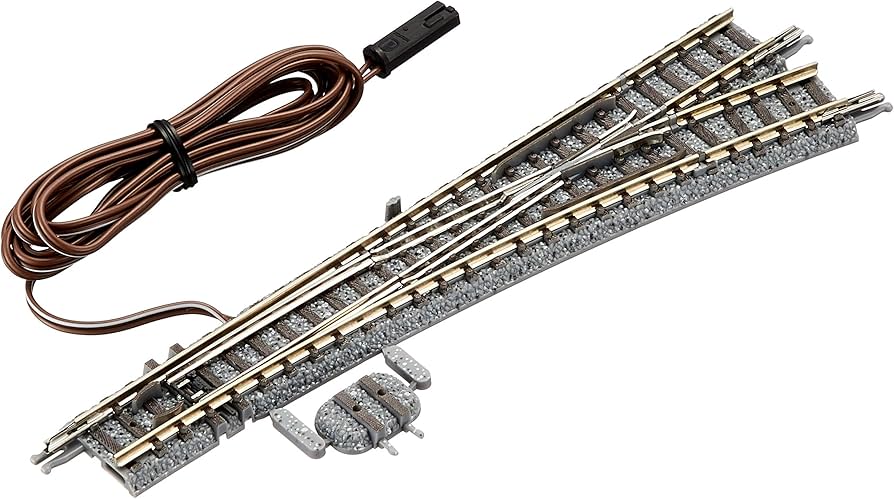
In addition to powering locomotives, model railway electrics are used to control signals and points on your layout. Signal systems can be automated or manually operated, adding realism and operational interest to your railroad. Point motors are used to switch tracks, allowing trains to move between different routes on your layout.
Adding Lighting Effects
Lighting plays a crucial role in creating atmosphere and enhancing the visual appeal of your model railway. Whether it’s streetlights illuminating a bustling city scene or cabin lights glowing in a passing train, incorporating lighting effects using LEDs or fibre optics can bring your layout to life in new ways.
Creating Realistic Soundscapes
For those looking to take their model railway experience even further, sound systems can be integrated into layouts to create realistic soundscapes. From the rumble of a steam engine to station announcements and ambient noises, adding sound effects can immerse operators and viewers in the world of your railroad.
Conclusion
Model railway electrics offer endless possibilities for enhancing the realism and interactivity of your layout. By mastering electrical systems, enthusiasts can bring their creative visions to life with dynamic lighting effects, realistic soundscapes, and precise control over locomotives and accessories. Whether you’re a beginner exploring basic wiring techniques or an experienced modeller delving into advanced DCC operations, model railway electrics provide an exciting avenue for innovation and experimentation in the hobby.
Exploring the Benefits of Model Railway Electrics: Enhancing Realism, Control, and Creativity
- Enhances realism of model railway layouts
- Allows precise control over locomotives and accessories
- Facilitates automation of signals and points
- Enables creation of dynamic lighting effects
- Adds interactivity to the model railway experience
- Provides opportunities for creative experimentation
- Enhances immersion with realistic soundscapes
- Offers advanced control options with DCC systems
Challenges in Model Railway Electrics: Navigating Complexity, Cost, and Compatibility
- Complexity of wiring can be overwhelming for beginners.
- Electrical components may require frequent maintenance and troubleshooting.
- Cost of high-quality electrical equipment can add up quickly.
- Incorrect wiring or setup can lead to short circuits and damage to locomotives.
- Limited space on smaller layouts can make it challenging to conceal wiring effectively.
- Compatibility issues between different brands of electrical systems may arise.
Enhances realism of model railway layouts
Model railway electrics play a crucial role in enhancing the realism of model railway layouts by providing dynamic lighting effects, realistic soundscapes, and precise control over locomotives and accessories. Through the use of electrical systems, modellers can recreate the atmosphere of a bustling city scene with streetlights that illuminate the streets or evoke the nostalgia of a steam engine with authentic sound effects. By integrating these features, model railway enthusiasts can create immersive and engaging layouts that transport viewers into a lifelike miniature world of trains and landscapes.
Allows precise control over locomotives and accessories
A significant advantage of model railway electrics is the ability to achieve precise control over locomotives and accessories. By utilising advanced systems such as Digital Command Control (DCC), modellers can individually control the speed, direction, and even sound functions of each locomotive on their layout. This level of fine-tuned control extends to accessories like signals, points, and lighting, allowing for realistic operation and dynamic interactions within the model railway environment. The precision offered by model railway electrics enhances the overall experience for enthusiasts, enabling them to create intricate and lifelike scenarios with ease.
Facilitates automation of signals and points
Facilitating the automation of signals and points is a significant advantage of model railway electrics. By incorporating electrical systems into layouts, modellers can create more realistic and dynamic operating environments. Automated signal control adds authenticity to train operations, while automated points allow for seamless track switching, enhancing the overall functionality and visual appeal of the model railway. This pro of model railway electrics not only simplifies operation but also enriches the immersive experience for enthusiasts seeking greater realism in their layouts.
Enables creation of dynamic lighting effects
Model railway electrics offer a captivating advantage by enabling the creation of dynamic lighting effects on model railway layouts. Through the strategic use of LEDs or fibre optics, modellers can illuminate scenes with precision, bringing a sense of realism and atmosphere to their creations. From simulating the warm glow of streetlights in a bustling cityscape to crafting the flickering flames of a campfire in a rural setting, the ability to control lighting effects adds depth and visual interest to model railway scenes, enhancing the overall aesthetic appeal and immersing viewers in a truly captivating miniature world.
Adds interactivity to the model railway experience
By incorporating model railway electrics into your layout, you can significantly enhance the interactivity of the model railway experience. From controlling locomotives and signals to activating lighting effects and sound systems, electrical components allow modellers to engage with their layouts in dynamic ways. The ability to adjust speeds, switch tracks, and create immersive environments through lighting and sound not only adds realism to the scene but also offers a hands-on approach to operating and enjoying the model railway, making it a truly interactive and engaging hobby for enthusiasts of all levels.
Provides opportunities for creative experimentation
Model railway electrics offer enthusiasts a valuable opportunity for creative experimentation within the hobby. By exploring different wiring techniques, integrating lighting effects, incorporating sound systems, and mastering control over locomotives and accessories, modellers can push the boundaries of their creativity and bring unique elements to their layouts. The flexibility and versatility of model railway electrics empower enthusiasts to experiment with innovative ideas, refine their skills, and create truly immersive and dynamic model railway experiences that reflect their individual artistic vision.
Enhances immersion with realistic soundscapes
The incorporation of realistic soundscapes through model railway electrics significantly enhances immersion in the model railway experience. By integrating sound systems that mimic authentic train noises, station announcements, and ambient sounds, modellers can create a sensory-rich environment that transports operators and viewers into the intricate world of their railroad layout. The subtle addition of sound effects adds depth and realism, elevating the overall enjoyment and engagement with the model railway hobby.
Offers advanced control options with DCC systems
Model railway electrics, particularly with the use of Digital Command Control (DCC) systems, offer enthusiasts advanced control options that elevate the model railway experience. With DCC technology, modellers can independently control multiple locomotives on the same track, adjust speed and direction with precision, and even operate various accessories such as lights and sound effects. This level of control not only enhances realism but also opens up a world of creative possibilities for designing dynamic layouts that respond to intricate command inputs.
Complexity of wiring can be overwhelming for beginners.
Navigating the complexity of wiring in model railway electrics can be a daunting challenge for beginners entering the hobby. The intricate network of connections, switches, and power sources required to bring a layout to life can often feel overwhelming and intimidating. Understanding the principles of electrical systems, learning how to troubleshoot issues, and ensuring proper insulation and safety measures are in place are all vital aspects that can pose significant hurdles for those new to model railway electrics. However, with patience, guidance, and perseverance, beginners can gradually overcome these obstacles and develop the skills needed to master the intricacies of wiring in their model railway projects.
Electrical components may require frequent maintenance and troubleshooting.
One significant drawback of model railway electrics is the potential need for frequent maintenance and troubleshooting of electrical components. As layouts grow in complexity with added features such as lighting, signals, and sound systems, the risk of malfunctions or connectivity issues also increases. Modellers may find themselves regularly inspecting and repairing wiring, switches, and other electrical elements to ensure smooth operation of their model railway. This ongoing maintenance demand can be time-consuming and challenging, requiring a good understanding of electrical systems to diagnose and rectify problems effectively.
Cost of high-quality electrical equipment can add up quickly.
The cost of high-quality electrical equipment in the realm of model railway electrics can escalate rapidly, posing a significant challenge for enthusiasts looking to build sophisticated layouts. From premium locomotive decoders to advanced command control systems, investing in top-tier components and accessories can strain hobbyists’ budgets and limit the scope of their projects. Balancing the desire for cutting-edge technology with financial constraints becomes a crucial consideration for modellers seeking to achieve realism and functionality in their electrical setups while managing the escalating costs associated with top-of-the-line equipment.
Incorrect wiring or setup can lead to short circuits and damage to locomotives.
Incorrect wiring or setup in model railway electrics poses a significant risk of short circuits and potential damage to locomotives. When electrical connections are not properly established or when components are wired incorrectly, the flow of electricity can become unstable, leading to short circuits that may result in overheating or even permanent damage to locomotive motors and electronics. Ensuring proper wiring techniques, using appropriate insulation, and carefully following setup instructions are crucial steps in preventing these issues and maintaining the longevity of model railway equipment.
Limited space on smaller layouts can make it challenging to conceal wiring effectively.
On smaller layouts, one significant drawback of model railway electrics is the limited space available, which can present challenges when it comes to concealing wiring effectively. With less room to work with, modellers may find it difficult to hide wires discreetly and maintain a clean and tidy appearance on their layout. This limitation can not only affect the aesthetic appeal of the model railway but also make troubleshooting and maintenance more cumbersome due to the cramped conditions. Finding innovative solutions to conceal wiring while ensuring efficient operation becomes a crucial consideration for enthusiasts working on compact layouts.
Compatibility issues between different brands of electrical systems may arise.
When delving into the intricate world of model railway electrics, one notable drawback that enthusiasts may encounter is the potential for compatibility issues between different brands of electrical systems. As model railway manufacturers often develop proprietary technologies and standards for their products, integrating components from diverse brands can sometimes lead to challenges in ensuring seamless communication and operation. This can result in complexities during setup and troubleshooting, requiring modellers to carefully research and plan their electrical configurations to avoid conflicts and ensure smooth functionality across their layout.