
The World of Train Scales: Understanding Model Railway Sizes
Model trains have captivated enthusiasts of all ages for decades, offering a miniature world of railways to explore and enjoy. One key aspect that defines the uniqueness of each model train is its scale – a crucial factor that determines the size and proportion of the train in relation to the real-life counterpart. Let’s delve into the fascinating world of train scales and discover the variety they offer to model railway enthusiasts.
What is a Train Scale?
A train scale refers to the ratio between the size of a model train and its real-life counterpart. For example, if a model train has a scale of 1:87, it means that every inch on the model represents 87 inches on the actual train. This ratio helps standardise model railway sizes and ensures compatibility between different models and accessories.
Popular Train Scales
There are several popular train scales used in model railway layouts around the world. Some of the most common scales include:
- HO Scale (1:87): One of the most popular scales worldwide, HO scale models are approximately half the size of O scale models, making them ideal for creating detailed layouts in limited spaces.
- N Scale (1:160): Known for its compact size, N scale models are perfect for intricate layouts with limited space while still offering impressive detail.
- O Scale (1:48): Larger than most other scales, O scale models are favoured by collectors for their realistic detail and presence.
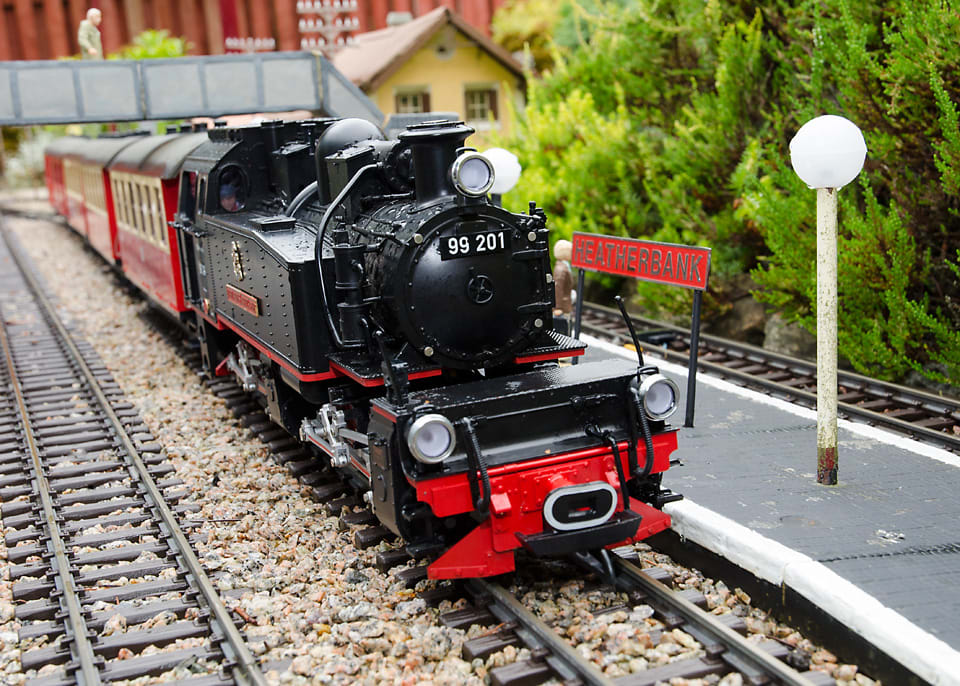
- G Scale (1:22.5): Commonly used for outdoor garden railways, G scale models are large and robust, making them suitable for outdoor use.
Choosing the Right Scale
When selecting a train scale for your model railway project, consider factors such as available space, desired level of detail, and budget. Smaller scales like N or Z may be ideal for compact layouts or intricate designs, while larger scales like O or G offer impressive realism but require more space.
Ultimately, the choice of scale comes down to personal preference and the vision you have for your model railway layout. Whichever scale you choose, each offers a unique perspective on recreating the magic of trains in miniature form.
Embrace the diversity of train scales in the world of model railways and let your imagination run wild as you build your own miniature railway empire!
Understanding Train Scales: A Guide to HO, O, N, and Popular Choices
- Which is better, HO or O scale trains?
- What are the train scales?
- Which scale is bigger, N or HO?
- What is the most popular train scale?
Which is better, HO or O scale trains?
When comparing the HO and O scale trains, the choice between them largely depends on individual preferences and specific requirements. HO scale trains, being smaller and more compact at 1:87 scale, are favoured for their versatility in creating detailed layouts within limited space. On the other hand, O scale trains at 1:48 scale offer larger models with intricate details, appealing to collectors for their realistic presence. Ultimately, the decision between HO and O scales comes down to factors such as layout size, desired level of detail, and personal aesthetic preferences. Both scales have their own unique charm and advantages, catering to different tastes within the diverse world of model railways.
What are the train scales?
Train scales refer to the ratios that determine the size of model trains in relation to their real-life counterparts. These scales, such as HO (1:87), N (1:160), O (1:48), and G (1:22.5), play a crucial role in standardising the size and proportion of model trains for enthusiasts worldwide. Understanding train scales is essential for creating realistic model railway layouts and ensuring compatibility between different models and accessories. Each scale offers a unique perspective on recreating the charm of trains in miniature form, catering to various preferences, space constraints, and levels of detail desired by hobbyists and collectors.
Which scale is bigger, N or HO?
When comparing N scale to HO scale in model trains, it is important to note that HO scale is larger than N scale. HO scale models are approximately 1:87 in size, while N scale models are smaller at 1:160. This means that an HO scale train is larger and more detailed than an N scale train. The choice between the two scales often depends on factors such as available space for the layout and the desired level of detail, with HO scale being favoured for its realism and N scale for its compact size suitable for intricate layouts.
What is the most popular train scale?
One of the most frequently asked questions in the world of model railways is, “What is the most popular train scale?” Without a doubt, the HO scale (1:87) stands out as one of the most widely embraced scales among model railway enthusiasts globally. Its versatility, allowing for detailed layouts in limited spaces, coupled with a vast array of available models and accessories, has cemented its popularity over the years. The HO scale offers a perfect balance between realism and practicality, making it an ideal choice for both beginners and seasoned hobbyists looking to create captivating miniature worlds with their model trains.