
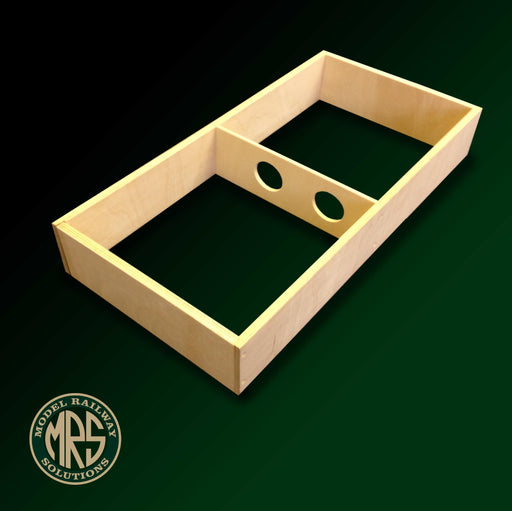
The Art of Model Railway Baseboard Construction
Building a sturdy and reliable baseboard is a crucial step in creating a successful model railway layout. The baseboard serves as the foundation on which the entire railway system will be constructed, providing support for the tracks, scenery, and trains.
Materials Needed
When embarking on baseboard construction, it is essential to gather the necessary materials. Commonly used materials include plywood sheets, wooden battens, screws, wood glue, and a saw for cutting the wood to size.
Construction Process
The construction process typically begins with cutting the plywood sheets to the desired dimensions for the baseboard. Wooden battens are then attached along the edges of the plywood sheets to reinforce the structure and prevent warping.
Once the frame is assembled, additional cross supports can be added underneath the baseboard to increase stability. These supports help distribute weight evenly and reduce any potential flexing of the baseboard.
Design Considerations
Before finalising the construction of your baseboard, it is important to consider factors such as size, shape, and accessibility. The layout should be designed in a way that allows easy access for maintenance and operation of trains.
Furthermore, incorporating features like detachable legs or castors can make it easier to move and transport your model railway layout if needed.
Finishing Touches
Once the baseboard construction is complete, you can add finishing touches such as painting or applying a protective sealant to enhance durability. This step not only adds aesthetic appeal but also helps protect the baseboard from wear and tear over time.
Conclusion
In conclusion, mastering the art of model railway baseboard construction is essential for creating a robust foundation for your railway layout. By following proper construction techniques and considering design elements carefully, you can ensure that your model railway layout stands strong for years to come.
Essential Tips for Constructing a Durable and Visually Appealing Model Railway Baseboard
- Plan your baseboard layout carefully before starting construction.
- Use sturdy materials such as plywood or MDF for the baseboard.
- Ensure the baseboard is flat and level to prevent track misalignment.
- Consider adding legs or supports to provide stability to the baseboard.
- Incorporate access hatches or removable sections for easy maintenance of tracks and scenery.
- Secure trackbed and track firmly to the baseboard to avoid movement during operation.
- Paint or seal the baseboard to protect it from moisture and warping over time.
- Add scenic elements like hills, tunnels, and bridges to enhance the visual appeal of your model railway.
Plan your baseboard layout carefully before starting construction.
It is crucial to meticulously plan your baseboard layout before commencing construction when building a model railway. Careful planning ensures that the baseboard dimensions, shape, and accessibility meet your layout requirements. By considering factors such as the placement of tracks, scenery elements, and operational features in advance, you can avoid potential rework and ensure a well-thought-out design that maximises the functionality and aesthetics of your model railway layout.
Use sturdy materials such as plywood or MDF for the baseboard.
When constructing your model railway baseboard, it is advisable to use sturdy materials such as plywood or MDF. These materials provide a solid foundation for your layout, ensuring stability and durability over time. By opting for plywood or MDF, you can create a robust baseboard that can withstand the weight of tracks, trains, and scenery elements without warping or flexing. Choosing quality materials is key to building a reliable baseboard that will support your model railway layout effectively.
Ensure the baseboard is flat and level to prevent track misalignment.
To ensure the smooth operation of your model railway layout, it is crucial to pay attention to the flatness and levelness of the baseboard during construction. A flat and level baseboard provides a stable foundation for the tracks, preventing any misalignment that could disrupt the movement of trains. By taking the time to ensure that the baseboard is perfectly flat and level, you can avoid issues such as derailments and uneven running of trains, ultimately enhancing the overall performance and realism of your model railway system.
Consider adding legs or supports to provide stability to the baseboard.
When constructing your model railway baseboard, it is advisable to consider adding legs or supports to enhance stability. By incorporating sturdy legs or additional support structures, you can prevent any potential wobbling or sagging of the baseboard. This not only ensures a more secure foundation for your railway layout but also facilitates smoother operation of trains and maintenance tasks. Prioritising stability in baseboard construction is key to creating a durable and reliable framework for your model railway project.
Incorporate access hatches or removable sections for easy maintenance of tracks and scenery.
When constructing your model railway baseboard, it is advisable to incorporate access hatches or removable sections to facilitate easy maintenance of tracks and scenery. By including these features, you can ensure convenient access to hidden areas of your layout for cleaning, repairs, and adjustments. Access hatches or removable sections not only streamline maintenance tasks but also enhance the overall functionality of your model railway layout, allowing for seamless operation and upkeep in the long run.
Secure trackbed and track firmly to the baseboard to avoid movement during operation.
To ensure a stable and smooth operation of your model railway layout, it is essential to securely fix the trackbed and track to the baseboard. By firmly attaching the track components, such as the trackbed and rails, you can prevent any unwanted movement or shifting during train operation. This not only enhances the realism of the layout but also minimises disruptions and ensures a reliable performance of your model trains. Properly securing the track to the baseboard is a key step in creating a professional-looking and functional model railway system.
Paint or seal the baseboard to protect it from moisture and warping over time.
To safeguard the model railway baseboard against moisture damage and warping in the long term, a crucial tip is to apply a protective layer of paint or sealant. By sealing the baseboard, you not only enhance its durability but also provide a barrier that shields the wood from environmental factors. This simple yet effective step can significantly extend the lifespan of the baseboard, ensuring that your model railway layout remains sturdy and intact for years to come.
Add scenic elements like hills, tunnels, and bridges to enhance the visual appeal of your model railway.
To enhance the visual appeal of your model railway layout, consider incorporating scenic elements such as hills, tunnels, and bridges. These additions not only add realism to your model but also create depth and interest for viewers. By strategically placing these features on your baseboard, you can transform a simple track into a captivating miniature world that captures the imagination of onlookers. Integrating hills for elevation changes, tunnels for mystery and intrigue, and bridges for architectural interest can elevate your model railway to a whole new level of authenticity and charm.