
The Enchanting World of Model Railroads
Model railroads have a unique charm that captivates enthusiasts of all ages. From intricate layouts to meticulously detailed miniature trains, the world of model railroads offers a captivating blend of artistry, engineering, and history.
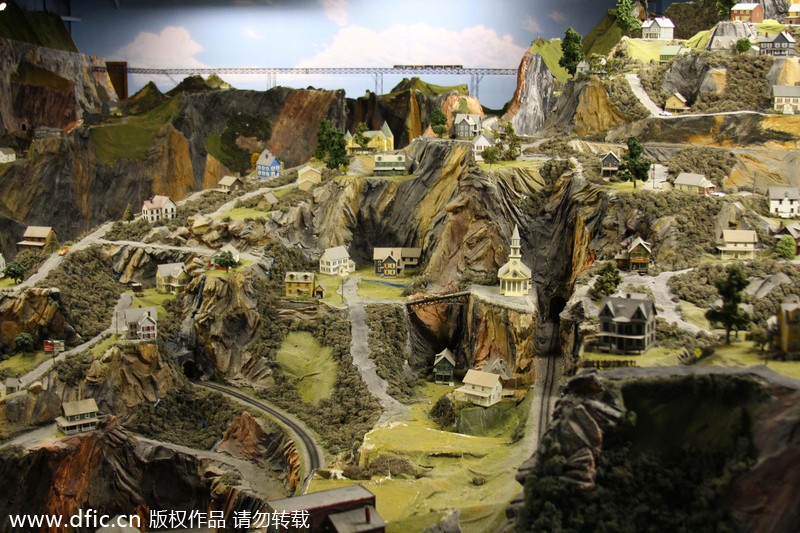
One of the most appealing aspects of model railroading is the opportunity to create your own miniature world. Hobbyists painstakingly design and build landscapes, buildings, and railway tracks to bring their visions to life. Whether replicating a real-life train route or inventing a fictional railway network, model railroaders pour their creativity into every detail.
Model railroad enthusiasts also delve into the rich history of trains and railways. Many choose specific eras or regions as themes for their layouts, meticulously researching historical details to ensure accuracy. By recreating scenes from bygone times or far-off places, modellers pay homage to the legacy of rail transportation.
Building and operating model trains require a blend of technical skill and artistic flair. From constructing locomotives and carriages to wiring tracks for realistic operation, modellers engage in a variety of hands-on tasks that challenge both their craftsmanship and problem-solving abilities.
Model railroad clubs and exhibitions provide opportunities for enthusiasts to come together, showcase their creations, and exchange ideas. These gatherings foster a sense of community among modellers who share a passion for trains and railways.
Whether you’re an experienced modeller or just starting out in this captivating hobby, the world of model railroads welcomes you with endless possibilities for creativity and exploration.
Exploring the Benefits of Model Railroading: Creativity, History, Skills, Community, Relaxation, and Education
- 1. Creative Outlet
- 2. Historical Appreciation
- 3. Technical Skills
- 4. Community Engagement
- 5. Relaxation and Stress Relief
- 6. Educational Value
Challenges of the Model Railroad World: Costs, Space, and Complexity
- Costly hobby with expenses for equipment, materials, and accessories
- Requires significant space to build and display elaborate layouts
- Time-consuming to design, construct, and maintain detailed model railroads
- Complexity of electrical wiring and track systems may be challenging for beginners
- Risk of models getting damaged during handling or transportation
- Limited availability of certain specialised model train components or accessories
- Potential for isolation if not actively involved in model railroad clubs or communities
1. Creative Outlet
Model railroading serves as a creative outlet, allowing enthusiasts to channel their artistic vision into crafting intricate miniature landscapes and meticulously detailed train models. From designing realistic terrain features to customising locomotives and carriages, modellers have the freedom to unleash their creativity and bring their imaginative ideas to life in the captivating world of model railways.
2. Historical Appreciation
Enthusiasts of the model railroad world have the unique opportunity to immerse themselves in the rich history of trains and railways. By meticulously researching and recreating scenes from various eras, modellers demonstrate a deep appreciation for the evolution of rail transportation. Their commitment to accuracy and attention to detail not only honours the legacy of trains but also allows them to step back in time and experience the nostalgia of bygone eras through their miniature creations.
3. Technical Skills
Engaging in the world of model railroads offers enthusiasts the opportunity to enhance a diverse set of technical skills. From mastering carpentry techniques to constructing intricate railway layouts, modellers hone their craftsmanship through hands-on building projects. Additionally, delving into electrical wiring for powering tracks and signals sharpens their understanding of electrical systems. Moreover, maintaining and fine-tuning locomotives provides valuable insights into mechanical engineering principles. By immersing themselves in these technical aspects, enthusiasts not only deepen their appreciation for model trains but also acquire practical skills that can be applied beyond the realm of model railroading.
4. Community Engagement
Being part of the model railroad world offers a valuable pro in the form of community engagement. By joining model railroad clubs, enthusiasts have the chance to connect with like-minded individuals who share their passion for trains and railways. These clubs serve as hubs for exchanging ideas, sharing experiences, and collaborating on exciting projects that bring together the collective creativity and expertise of members. The sense of camaraderie and shared enthusiasm within these communities enhances the overall experience of being a part of the model railroad world.
5. Relaxation and Stress Relief
Engaging in the meticulous work of building model railroads offers a unique form of relaxation and stress relief. The focused attention required to assemble intricate layouts and detail miniature trains can be therapeutic, allowing enthusiasts to unwind from the pressures of daily life. Immersing oneself in the world of model railroads provides a calming escape, where creativity flourishes and worries fade away, making it a soothing and fulfilling hobby for those seeking moments of tranquillity amidst the hustle and bustle of modern living.
6. Educational Value
Model railroading stands out for its educational value, providing enthusiasts with a unique opportunity to delve into various disciplines such as engineering, history, geography, and craftsmanship. By engaging in the intricate process of designing and building model railway layouts, individuals not only enhance their technical skills but also develop a deeper appreciation for the historical significance of trains and railways. Through researching different eras and regions for their layouts, modellers gain insights into geography and history while honing their craftsmanship in recreating realistic scenes. This multifaceted hobby serves as a gateway to learning and exploration across diverse fields of knowledge.
Costly hobby with expenses for equipment, materials, and accessories
Engaging in the world of model railroads can be a costly endeavour, with expenses accumulating for equipment, materials, and accessories. From purchasing locomotives and rolling stock to investing in quality track systems and scenic elements, the financial commitment required to build and maintain a model railway layout can be significant. Additionally, modellers often find themselves drawn to collecting a wide range of accessories, such as buildings, figures, and landscaping details, further adding to the overall cost of this intricate hobby. Despite the financial implications, many enthusiasts consider the investment worthwhile for the joy and satisfaction that comes from creating their own miniature railway world.
Requires significant space to build and display elaborate layouts
Creating elaborate model railroad layouts can be a daunting task due to the significant space they require for construction and display. Modellers often face challenges in finding a suitable area to bring their grand visions to life, especially when aiming for intricate designs with multiple tracks, landscapes, and structures. Limited space can restrict the scale and complexity of layouts, making it a constant struggle for enthusiasts to balance their creative ambitions with practical constraints. Despite this con, many modellers find innovative solutions to maximise the use of available space and still create impressive miniature worlds that capture the essence of real railway networks.
Time-consuming to design, construct, and maintain detailed model railroads
Designing, constructing, and maintaining detailed model railroads can be a time-consuming endeavour in the world of model railways. From planning intricate layouts to meticulously crafting miniature landscapes and structures, each step demands careful attention and dedication. The intricate nature of creating realistic scenes and ensuring smooth operation of trains requires patience and precision. Additionally, regular maintenance to keep the layout in top condition can be an ongoing task that necessitates a significant investment of time. Despite the time commitment involved, many enthusiasts find joy in the process of bringing their miniature worlds to life, knowing that the end result is a testament to their passion and craftsmanship.
Complexity of electrical wiring and track systems may be challenging for beginners
Navigating the intricate world of model railroads can pose a significant challenge for beginners, particularly when it comes to the complexity of electrical wiring and track systems. Setting up a functional and reliable electrical system to power trains and accessories requires a good understanding of circuits, soldering techniques, and layout planning. Beginners may find themselves grappling with issues such as short circuits, voltage drops, and signal interference as they strive to master the technical aspects of model railway operation. However, with patience, guidance, and perseverance, novices can gradually overcome these hurdles and gain valuable skills that enhance their enjoyment of the hobby.
Risk of models getting damaged during handling or transportation
One significant drawback within the model railroad world is the inherent risk of models becoming damaged during handling or transportation. Despite the meticulous care and attention to detail that modellers invest in their creations, fragile components such as delicate scenery, intricate structures, and finely detailed train models are susceptible to breakage or deformation when moved or transported. This risk not only poses a challenge in preserving the integrity of the models but also adds a layer of complexity in ensuring their safe transit between locations, requiring modellers to adopt protective measures and handling protocols to minimise potential damage.
Limited availability of certain specialised model train components or accessories
In the world of model railroads, one significant drawback is the limited availability of certain specialised model train components or accessories. Enthusiasts often face challenges in sourcing specific parts or accessories needed to enhance their layouts or customise their trains. This scarcity can hinder the realisation of intricate designs or historical accuracy in modelling projects, requiring modellers to explore alternative solutions or compromise on their original vision. Despite this con, dedicated hobbyists demonstrate resilience and ingenuity in overcoming obstacles to continue enjoying the rewarding pursuit of building and operating model railways.
Potential for isolation if not actively involved in model railroad clubs or communities
In the world of model railroads, one significant downside is the potential for isolation if individuals are not actively engaged with model railroad clubs or communities. Without regular interaction with fellow enthusiasts, modellers may find themselves working on their layouts in solitude, missing out on the camaraderie, knowledge sharing, and inspiration that come from being part of a community. Joining clubs or participating in exhibitions can help mitigate this isolation, providing opportunities for social connections, collaborative projects, and a sense of belonging within the vibrant world of model railroading.