
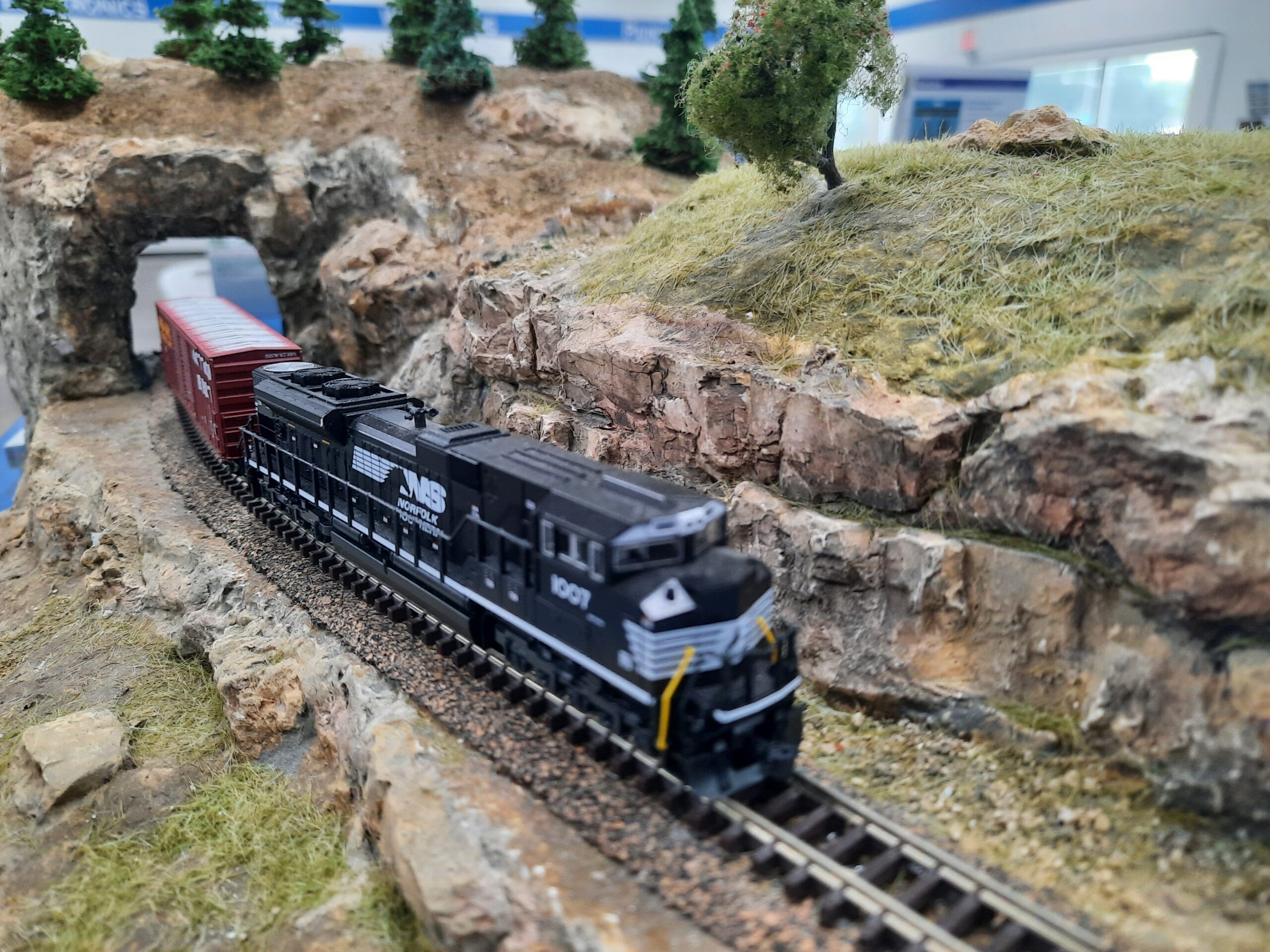
The Fascinating World of Model Railroad Tracks
Model railroad tracks are the foundation of any model railway layout, playing a crucial role in the overall realism and functionality of the miniature train system. These intricate tracks not only guide the trains through scenic landscapes but also provide a sense of authenticity and historical accuracy to the entire setup.
Types of Model Railroad Tracks
There are several types of model railroad tracks available to enthusiasts, each offering unique features and benefits. From traditional metal tracks to modern flexible tracks, modellers have a wide range of options to choose from based on their preferences and layout requirements.
Track Planning and Design
Designing an effective track layout is essential for creating a visually appealing and operationally efficient model railway. Modellers carefully plan the track configuration, including curves, switches, sidings, and elevation changes, to mimic real-world railroads and maximise the use of available space.
Track Maintenance
Regular maintenance of model railroad tracks is essential to ensure smooth operation and prevent derailments. Modellers clean the tracks regularly to remove dust and dirt that can affect electrical conductivity and train performance. Additionally, checking for loose connections and damaged sections helps maintain the integrity of the track system.
Innovations in Track Technology
Advancements in track technology have revolutionised the model railway hobby, introducing features such as digital command control (DCC) systems, automated signalling systems, and realistic sound effects. These innovations enhance the overall experience for modellers by adding new dimensions of realism and interactivity to their layouts.
The Joy of Building Model Railroad Tracks
For many enthusiasts, building model railroad tracks is a creative outlet that allows them to express their passion for trains and craftsmanship. The process of laying down tracks, wiring signals, and constructing intricate scenery brings a sense of satisfaction and accomplishment that is unique to this hobby.
Conclusion
Model railroad tracks are more than just components of a miniature train system – they are pathways that connect modellers to their love for trains and transport them into a world of imagination and nostalgia. Whether recreating historic railroads or designing fantasy layouts, model railway enthusiasts continue to be inspired by the endless possibilities that model railroad tracks offer.
Exploring the Benefits of Model Railroad Track: Enhancing Realism and Creativity in Railway Layouts
- Enhances realism of model railway layouts
- Provides a sense of authenticity and historical accuracy
- Offers a wide range of track types to suit different preferences
- Facilitates creative track planning and layout design
- Supports smooth operation and prevents derailments with proper maintenance
- Integrates innovative technologies for enhanced functionality
- Serves as a creative outlet for expressing passion for trains
- Connects modellers to a world of imagination and nostalgia
Challenges of Model Railroad Tracks: Flexibility, Maintenance, and Cost Considerations
- 1. Limited flexibility in layout design due to fixed track configurations.
- 2. Regular maintenance required to ensure smooth operation and prevent derailments.
- 3. Initial cost can be high, especially for high-quality tracks and accessories.
- 4. Difficulty in troubleshooting electrical issues that may arise with the tracks.
- 5. Tracks can accumulate dust and dirt over time, impacting train performance.
- 6. Complex track planning and wiring may pose a challenge for beginners in the hobby.
Enhances realism of model railway layouts
Model railroad tracks play a pivotal role in enhancing the realism of model railway layouts. By accurately replicating the intricate designs and configurations of real-world railway tracks, model railway enthusiasts can create immersive and authentic miniature train systems. The attention to detail in the construction and placement of tracks adds a sense of depth and believability to the overall layout, allowing modellers to bring their miniature worlds to life with a heightened level of realism that captivates both creators and viewers alike.
Provides a sense of authenticity and historical accuracy
Model railroad tracks play a pivotal role in providing a sense of authenticity and historical accuracy to model railway layouts. By carefully selecting and laying down tracks that mirror real-world rail systems, modellers can recreate specific eras, locations, and railway operations with remarkable precision. The intricate details of the tracks, including curves, switches, and sidings, contribute to the overall realism of the miniature train environment, allowing enthusiasts to immerse themselves in historical settings and experience the nostalgia of bygone train journeys.
Offers a wide range of track types to suit different preferences
Model railroad tracks present a notable advantage by offering a diverse selection of track types to cater to varying preferences within the model railway community. From traditional metal tracks to flexible modern options, modellers have the flexibility to choose tracks that align with their specific layout requirements and design visions. This versatility allows enthusiasts to customise their miniature train systems according to their individual tastes, whether they prefer classic designs or innovative track configurations. The availability of a wide range of track types enhances the creative potential and personalisation opportunities for modellers, making the hobby of building model railroad tracks truly engaging and adaptable to different styles and interests.
Facilitates creative track planning and layout design
One of the key benefits of model railroad tracks is their ability to facilitate creative track planning and layout design. Enthusiasts can experiment with various track configurations, including curves, switches, sidings, and elevation changes, to create unique and visually captivating railway layouts. By providing a versatile platform for designing intricate track systems, model railroad tracks inspire modellers to unleash their creativity and imagination, resulting in personalised layouts that reflect their passion for trains and attention to detail.
Supports smooth operation and prevents derailments with proper maintenance
Ensuring proper maintenance of model railroad tracks is essential as it supports smooth operation and helps prevent derailments. By regularly cleaning the tracks to remove dirt and debris that can impede train movement, modellers can maintain optimal electrical conductivity and ensure trains run seamlessly along the track system. Additionally, inspecting for loose connections and addressing any damaged sections promptly not only enhances the overall performance of the trains but also contributes to a safer and more reliable operation of the model railway layout.
Integrates innovative technologies for enhanced functionality
Model railroad tracks have evolved to integrate innovative technologies that enhance the functionality and realism of model railway layouts. From digital command control (DCC) systems that allow for precise train operation to automated signalling systems that mimic real-world rail operations, these advancements bring a new level of interactivity and immersion to the hobby. By incorporating cutting-edge technologies, model railroad tracks not only offer improved performance but also create a more dynamic and engaging experience for enthusiasts looking to push the boundaries of their creativity and technical skills.
Serves as a creative outlet for expressing passion for trains
Model railroad tracks serve as a captivating creative outlet for enthusiasts to express their deep-seated passion for trains. Through the meticulous design and construction of intricate track layouts, modellers are able to channel their love for trains into tangible works of art. This process not only allows them to showcase their craftsmanship and attention to detail but also provides a fulfilling means of immersing themselves in the world of model railways, where imagination meets reality on a miniature scale.
Connects modellers to a world of imagination and nostalgia
Model railroad tracks serve as a gateway that connects modellers to a world brimming with imagination and nostalgia. As enthusiasts meticulously lay down tracks, construct intricate landscapes, and watch trains traverse their miniature realms, they are transported back in time to relive the golden age of rail travel or imagine futuristic railway systems. The act of building and operating model railroad tracks not only sparks creativity but also evokes fond memories of real-life train journeys, allowing modellers to escape into a realm where time stands still and the possibilities are endless.
1. Limited flexibility in layout design due to fixed track configurations.
One significant drawback of model railroad tracks is the limited flexibility in layout design imposed by fixed track configurations. Modellers often face challenges in creating unique and customised layouts as they are constrained by the predetermined shapes and sizes of standard track pieces. This limitation can restrict creativity and hinder the ability to replicate real-world railroads or experiment with unconventional track arrangements. Modellers may find themselves compromising on their design vision or struggling to adapt the layout to fit their desired scenery, which can be frustrating for those seeking more freedom in expressing their creativity through their model railway projects.
2. Regular maintenance required to ensure smooth operation and prevent derailments.
One significant drawback of model railroad tracks is the necessity for regular maintenance to uphold smooth operation and prevent derailments. Modellers must invest time and effort in cleaning the tracks frequently to eliminate dust and dirt that can impede electrical conductivity and disrupt train performance. Additionally, inspecting for loose connections and damaged sections is crucial to maintaining the integrity of the track system. This ongoing maintenance requirement can be time-consuming and tedious, detracting from the overall enjoyment of the model railway hobby.
3. Initial cost can be high, especially for high-quality tracks and accessories.
One significant drawback of model railroad tracks is the potentially high initial cost, particularly when opting for high-quality tracks and accessories. Enthusiasts who strive for realism and durability may find themselves investing a considerable amount in premium track components and accompanying accessories. While these quality products enhance the overall aesthetics and performance of the model railway layout, the upfront expenses can pose a financial challenge for those looking to build or expand their collection. Careful budgeting and prioritisation are essential to navigate this con effectively without compromising on the desired quality of the track system.
4. Difficulty in troubleshooting electrical issues that may arise with the tracks.
One notable drawback of model railroad tracks is the challenge posed by troubleshooting electrical issues that may arise within the track system. Identifying and resolving problems such as poor connectivity, short circuits, or voltage drops can be a complex and time-consuming task for modellers. The intricate nature of the electrical components within the tracks requires a thorough understanding of wiring principles and diagnostic techniques to effectively pinpoint and rectify any issues that may affect train operation and overall layout performance.
5. Tracks can accumulate dust and dirt over time, impacting train performance.
Over time, one significant drawback of model railroad tracks is their tendency to accumulate dust and dirt, which can adversely affect train performance. The build-up of debris on the tracks can disrupt the smooth movement of trains, leading to issues such as poor electrical conductivity, increased friction, and potential derailments. Regular cleaning and maintenance are essential tasks for modellers to ensure that the tracks remain free from contaminants and that trains can operate efficiently and reliably on the layout.
6. Complex track planning and wiring may pose a challenge for beginners in the hobby.
Complex track planning and wiring can indeed present a significant challenge for beginners entering the world of model railway building. The intricate process of designing a track layout that incorporates various elements such as curves, switches, and elevation changes requires careful consideration and technical expertise. Additionally, understanding the wiring systems needed to power the tracks and accessories can be daunting for those new to the hobby. However, with patience, practice, and guidance from experienced modellers, beginners can gradually overcome these obstacles and develop the skills necessary to create their own captivating model railroad layouts.