
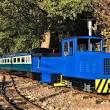
The Charm of Miniature Railroads
Miniature railroads, also known as model railways, have captivated enthusiasts of all ages for generations. These intricately crafted replicas of real-life train systems transport us into a world where creativity and precision converge to create a mesmerising display of engineering marvels.
Building a miniature railroad is not just a hobby; it’s a form of artistry that requires meticulous attention to detail and a deep appreciation for the history and mechanics of trains. From laying down realistic tracks to constructing tiny stations and landscapes, every element in a miniature railroad layout is carefully planned and executed to recreate the charm of real-world railways.
One of the joys of owning a miniature railroad is the ability to customise and personalise your layout according to your preferences. Whether you prefer modern high-speed trains or vintage steam locomotives chugging through countryside settings, the possibilities are endless when it comes to designing your own miniature world on a tabletop.
Miniature railroads also serve as educational tools, offering insights into the science and technology behind train operations. Enthusiasts can learn about signalling systems, track layouts, and train maintenance through hands-on experience in building and operating their miniature railway systems.
Moreover, miniature railroads provide a platform for social interaction among like-minded individuals who share a passion for trains. Model railway clubs and exhibitions offer opportunities for enthusiasts to showcase their creations, exchange ideas, and collaborate on ambitious projects that push the boundaries of what can be achieved in the world of miniature railways.
In conclusion, miniature railroads are not just scale models; they are gateways to imagination, creativity, and camaraderie. Whether you are an experienced modeller or someone looking to embark on a new hobby, exploring the world of miniature railways is sure to inspire awe and wonder at every turn of the track.
Essential FAQs for Beginners: Starting and Maintaining Your Miniature Railway
- 1. How do I get started with building a miniature railroad?
- 2. What scale should I choose for my miniature railway layout?
- 3. What tools and materials are essential for constructing a model railway?
- 4. How can I create realistic landscapes and scenery for my miniature railroad?
- 5. Are there any beginner-friendly resources or guides available for learning about model railways?
- 6. What are some common maintenance tips for keeping my miniature trains running smoothly?
1. How do I get started with building a miniature railroad?
Embarking on the journey of building a miniature railroad is an exciting endeavour that allows enthusiasts to unleash their creativity and attention to detail. To get started, one can begin by researching and planning the layout design, considering factors such as available space, preferred scale, and theme. It is essential to invest in quality materials such as tracks, locomotives, and scenic elements to create a realistic and visually appealing miniature world. Building a solid foundation with proper track laying techniques and electrical wiring is crucial for smooth operation. Joining model railway clubs or online forums can provide valuable guidance, tips, and inspiration from experienced modellers to help beginners navigate the intricacies of constructing their first miniature railroad layout.
2. What scale should I choose for my miniature railway layout?
When deciding on the scale for your miniature railway layout, it is essential to consider factors such as available space, budget, and personal preferences. The scale you choose will determine the size of your trains, tracks, and scenery, impacting the level of detail and realism you can achieve. Popular scales like N gauge, OO gauge, and HO scale offer varying degrees of realism and operational capabilities, so it’s important to research each scale’s characteristics to find the one that best suits your vision for your miniature railway project.
3. What tools and materials are essential for constructing a model railway?
When embarking on the construction of a model railway, it is essential to have a range of tools and materials at your disposal to bring your vision to life. Some key tools include precision knives for cutting tracks and scenery, a reliable glue for securing components, miniature screwdrivers for assembling locomotives and rolling stock, and a quality paint set for detailing structures and landscapes. In terms of materials, track components, various types of scenic materials such as grass, trees, and rocks, as well as building kits for creating stations and buildings are fundamental for constructing a realistic model railway layout. By having the right tools and materials on hand, modellers can ensure smooth progress and achieve impressive results in their miniature railroad projects.
4. How can I create realistic landscapes and scenery for my miniature railroad?
Creating realistic landscapes and scenery for your miniature railroad involves a combination of creativity, attention to detail, and the use of various materials. To bring your miniature world to life, consider incorporating natural elements such as rocks, foliage, and water features. Utilising realistic textures and colours for terrain formation, vegetation, and structures can enhance the authenticity of your model railway layout. Experimenting with techniques like weathering, blending different materials, and adding small details like figures and signage can further elevate the realism of your miniature railroad scenery. Remember to draw inspiration from real-life landscapes and adapt them to suit the scale of your model railway for a truly immersive experience.
5. Are there any beginner-friendly resources or guides available for learning about model railways?
For those new to the world of model railways, there are plenty of beginner-friendly resources and guides available to help you kickstart your journey into this fascinating hobby. From online tutorials and instructional videos to beginner’s books and workshops hosted by model railway clubs, there is a wealth of information tailored specifically for novices looking to learn the basics of building and operating miniature railroads. These resources provide valuable insights into essential techniques, tools, and materials needed to create your own miniature railway layout, making it easier for beginners to grasp the fundamentals and embark on their modelling adventures with confidence.
6. What are some common maintenance tips for keeping my miniature trains running smoothly?
Ensuring the smooth operation of miniature trains requires regular maintenance to keep them in optimal condition. Some common maintenance tips include cleaning the tracks and wheels regularly to prevent dirt buildup, lubricating moving parts to reduce friction and wear, checking for loose connections or damaged components that may affect performance, and storing trains in a dry and dust-free environment when not in use. By following these maintenance practices diligently, enthusiasts can prolong the lifespan of their miniature trains and enjoy uninterrupted operation on their model railway layouts.