
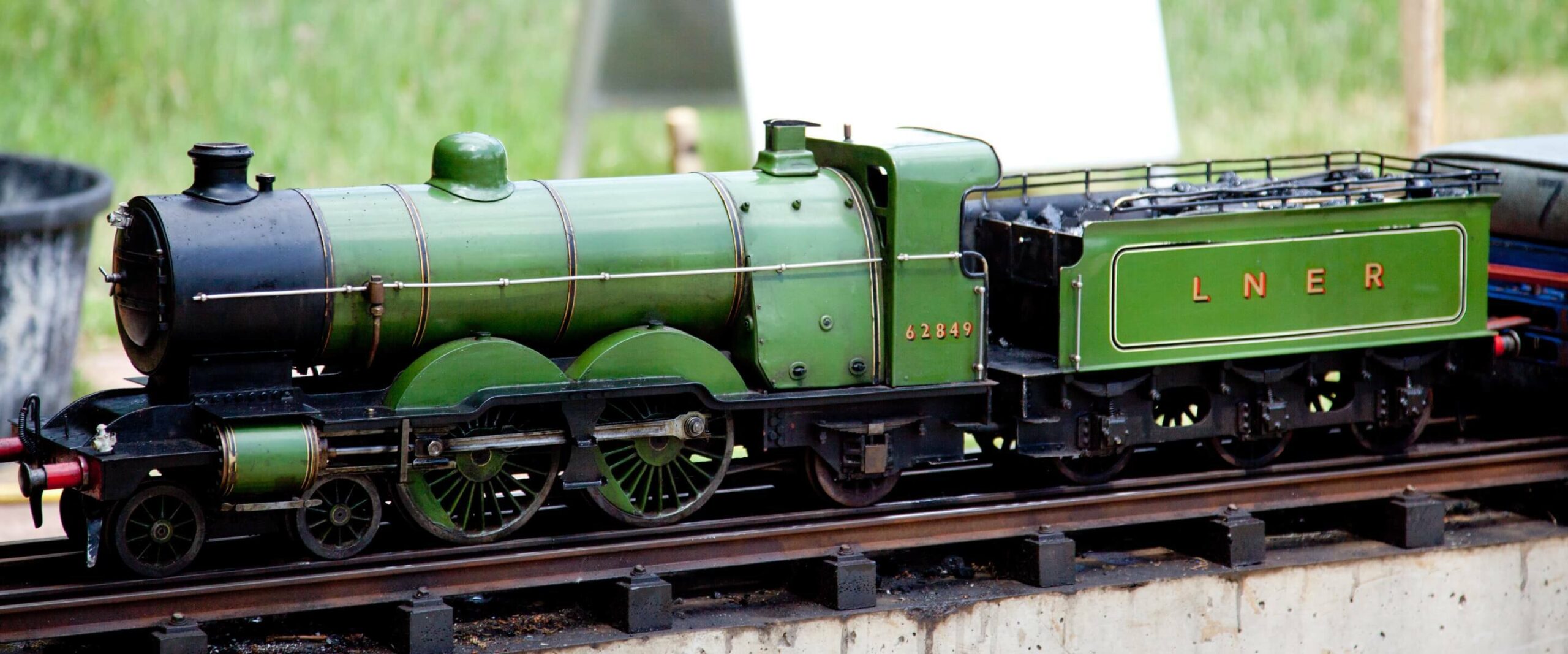
The Enchanting World of Model Railway Train Sets
Model railway train sets have captivated hobbyists and enthusiasts for generations, offering a miniature world of locomotives, landscapes, and intricate details that transport us to a bygone era. From steam engines chugging along scenic routes to modern electric trains speeding through urban landscapes, model railway train sets allow us to recreate the magic of rail travel in our own homes.
History and Evolution
The history of model railway train sets dates back to the 19th century when miniature trains were used for display purposes in exhibitions. Over time, these models evolved from simple wooden tracks to sophisticated systems with realistic features such as sound effects, lighting, and digital controls. Today, model railway enthusiasts have access to a wide range of scales and gauges, allowing them to recreate different eras and regions with precision.
Building Your Own Railway
Creating a model railway train set is a rewarding experience that requires careful planning and attention to detail. Hobbyists can start by choosing a scale that suits their space and interests, whether it’s the compact N scale or the detailed O scale. From laying down tracks and designing landscapes to assembling buildings and adding decorative elements, building a model railway offers endless opportunities for creativity.
Community and Collaboration
One of the joys of being part of the model railway community is the opportunity to connect with like-minded individuals who share a passion for trains and modelling. Clubs and societies provide a platform for enthusiasts to exchange ideas, showcase their creations at exhibitions, and collaborate on group projects that push the boundaries of creativity.
The Magic of Model Railways
Model railway train sets not only allow us to relive the nostalgia of train travel but also serve as a therapeutic escape from the hustle and bustle of modern life. Whether you’re meticulously detailing a station platform or watching your trains wind their way through tunnels and bridges, there’s something truly magical about bringing a miniature world to life right in your own home.
So next time you hear the whistle blow or see the lights of a passing locomotive on a model railway train set, take a moment to appreciate the craftsmanship, dedication, and sheer joy that goes into creating these miniature marvels that continue to capture our imagination.
Essential Guide to Model Railway Train Sets: FAQs for Beginners and Enthusiasts
- What are the different scales and gauges available for model railway train sets?
- How do I choose the right scale for my model railway layout?
- What tools and materials do I need to start building a model railway train set?
- Are there any beginner-friendly resources or guides for setting up a model railway?
- How can I add realistic details such as landscapes, buildings, and scenery to my model railway layout?
- What are DCC (Digital Command Control) systems and how do they enhance the operation of model trains?
- Where can I find spare parts or accessories for my model railway train set?
- Are there any upcoming exhibitions or events where I can showcase my model railway creations?
- How can I join a local model railway club or community to connect with other enthusiasts?
What are the different scales and gauges available for model railway train sets?
When it comes to model railway train sets, enthusiasts often wonder about the variety of scales and gauges available for creating their miniature worlds. The world of model railways offers a diverse range of options, including popular scales such as HO (1:87), N (1:160), O (1:48), and G (1:22.5), each representing a different level of detail and size. Additionally, various gauges, such as standard gauge, narrow gauge, and miniature gauge, provide further customization for replicating specific railway systems and eras. Choosing the right scale and gauge is crucial in determining the overall look and feel of a model railway layout, allowing hobbyists to immerse themselves in the intricacies of train modelling with precision and authenticity.
How do I choose the right scale for my model railway layout?
When selecting the appropriate scale for your model railway layout, it is essential to consider various factors to ensure a cohesive and visually pleasing setup. The scale you choose will determine the size of your trains, tracks, and scenery elements, so it’s crucial to assess the available space, desired level of detail, and personal preferences. Popular scales such as N, OO, and O offer different levels of realism and operational capabilities, catering to a wide range of interests and expertise levels. By carefully evaluating your requirements and objectives, you can make an informed decision that will enhance the overall enjoyment and authenticity of your model railway layout.
What tools and materials do I need to start building a model railway train set?
When starting to build a model railway train set, it is essential to have a few key tools and materials at hand to kickstart your project. Some of the basic tools you may need include a track cutter for precision cutting of rails, a soldering iron for joining tracks and wires, and a small screwdriver set for assembling locomotives and accessories. Additionally, materials such as track pieces, locomotives, rolling stock, scenic elements like trees and buildings, as well as paints and adhesives are vital for creating a realistic layout. Investing in quality tools and materials from the outset will not only make the building process smoother but also enhance the overall look and operation of your model railway train set.
Are there any beginner-friendly resources or guides for setting up a model railway?
For those new to the world of model railway train sets, there are plenty of beginner-friendly resources and guides available to help you get started with setting up your own miniature railway system. From online tutorials and instructional videos to beginner’s books and workshops held by model railway clubs, aspiring enthusiasts can access a wealth of information to guide them through the process of building their first layout. These resources typically cover essential topics such as selecting the right scale, laying tracks, wiring components, creating realistic landscapes, and operating trains effectively. By utilising these beginner-friendly guides, newcomers can embark on their model railway journey with confidence and enthusiasm.
How can I add realistic details such as landscapes, buildings, and scenery to my model railway layout?
To enhance the realism of your model railway layout, incorporating detailed landscapes, buildings, and scenery is key. Start by carefully planning the layout to include varying elevations, curves, and straight sections to mimic real-world topography. Use materials like model grass, trees, rocks, and water features to create natural landscapes. Adding realistic buildings such as stations, houses, and industrial structures brings depth to the scene. Consider incorporating miniature figures and vehicles to add life and movement to your layout. Paying attention to small details like signage, lighting, and weathering can further elevate the authenticity of your model railway setting.
What are DCC (Digital Command Control) systems and how do they enhance the operation of model trains?
Digital Command Control (DCC) systems revolutionize the operation of model trains by providing individual control over multiple locomotives on the same track. Unlike traditional analogue systems where all trains move at the same speed, DCC allows for independent speed, direction, and lighting control of each locomotive. This enhanced level of precision and realism enables model railway enthusiasts to create more dynamic and realistic layouts, simulate prototypical operations, and enjoy a more immersive experience with their model trains. DCC systems also offer advanced features such as sound effects, automation capabilities, and simplified wiring, making them a popular choice for hobbyists looking to elevate their railway modelling experience.
Where can I find spare parts or accessories for my model railway train set?
When looking for spare parts or accessories for your model railway train set, there are several options available to enthusiasts. Many hobby shops specialise in model railways and carry a wide range of components such as tracks, locomotives, wagons, and scenery items. Online retailers also offer a convenient way to browse through a vast selection of spare parts and accessories, often providing detailed descriptions and customer reviews to help you make informed decisions. Additionally, joining model railway forums or clubs can connect you with fellow enthusiasts who may have spare parts to trade or recommend reputable suppliers for specific items. Whether you’re in need of replacement parts or seeking to enhance your layout with new accessories, exploring these avenues can help you find the perfect additions for your model railway train set.
Are there any upcoming exhibitions or events where I can showcase my model railway creations?
If you are eager to showcase your model railway creations to a wider audience, you may be wondering about upcoming exhibitions or events where you can display your work. Many model railway clubs and societies organise regular exhibitions that provide enthusiasts with the opportunity to exhibit their layouts, share their passion with others, and connect with fellow modellers. Keep an eye on local club announcements, online forums, and dedicated websites to stay informed about upcoming events where you can proudly showcase your meticulously crafted model railway creations for all to admire.
How can I join a local model railway club or community to connect with other enthusiasts?
If you are eager to join a local model railway club or community to connect with fellow enthusiasts, there are several ways to get involved. Start by researching online for clubs or societies in your area that cater to model railway hobbyists. Many clubs have regular meetings, workshops, and exhibitions where members can share their passion for trains and modelling. Attending these events is a great way to meet like-minded individuals, exchange ideas, and learn new techniques from experienced enthusiasts. Don’t hesitate to reach out to club organisers or members to express your interest in joining – they will likely welcome you with open arms into their vibrant community of model railway enthusiasts.