
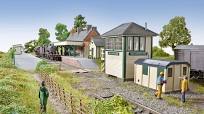
The Art of Train Model Building
Train model building is a timeless hobby that combines craftsmanship, creativity, and a love for trains. Enthusiasts of all ages find joy in recreating the intricate details of railways in miniature form, from locomotives to landscapes.
Building a train model requires patience and precision. Each component, whether it’s a tiny carriage or a signal post, is carefully constructed to scale. Model builders often spend hours researching historical accuracy and perfecting the smallest details to create a realistic depiction of a railway scene.
One of the most rewarding aspects of train model building is the opportunity for creativity. Builders can design their layouts, choosing the era, setting, and theme of their miniature world. From bustling city stations to serene countryside scenes, the possibilities are endless.
Model builders use a variety of materials and techniques to bring their creations to life. They may work with plastic kits, metal parts, or even craft custom pieces from scratch. Painting, weathering, and detailing add depth and authenticity to the models.
Train model building is not just about constructing trains; it’s also about storytelling. Builders often infuse their layouts with narrative elements, creating scenes that evoke emotion and imagination. Whether it’s a bustling platform filled with passengers or a quiet rural crossing at sunset, each layout tells its own story.
For many enthusiasts, train model building is more than just a hobby – it’s a passion that fosters camaraderie and connection. Clubs and exhibitions bring together like-minded individuals who share tips, techniques, and admiration for each other’s work.
Whether you’re an experienced builder or new to the world of train models, this hobby offers endless possibilities for creativity and exploration. So pick up your tools, lay down your tracks, and let your imagination journey through the captivating world of train model building.
Essential FAQs for Model Train Enthusiasts: Sizes, Costs, Terminology, and Construction Steps
- What is the standard model train size?
- How much does a model train layout cost?
- What is a train building called?
- How to build a model railway step by step?
What is the standard model train size?
The standard model train size, often referred to as the scale, is an essential consideration for train model builders. The most common scales include HO (1:87), N (1:160), O (1:48), and G (1:22.5). Each scale represents a specific ratio of the model to the real-life train, determining the size and proportions of the models and layouts. Choosing the right scale is crucial for ensuring compatibility with accessories, tracks, and other components, allowing builders to create realistic and cohesive miniature railway scenes.
How much does a model train layout cost?
The cost of a model train layout can vary significantly depending on various factors such as the scale, size, level of detail, and quality of materials used. A basic starter layout in a smaller scale like N or HO gauge can cost around £100 to £300, while larger layouts in scales like O or G gauge with more intricate features can range from hundreds to thousands of pounds. Additional expenses may include locomotives, rolling stock, scenery materials, and accessories. Ultimately, the total cost of a model train layout is determined by individual preferences and budget considerations.
What is a train building called?
In the realm of train model building, the structure representing a railway system is commonly referred to as a “train layout” or “model railway layout.” This term encompasses the entire scene created by model builders, including tracks, trains, scenery, buildings, and other elements that together form a detailed and realistic miniature representation of a railway environment. The train building process involves not only constructing individual train models but also designing and assembling these layouts to showcase the beauty and complexity of railways in a scaled-down form.
How to build a model railway step by step?
When it comes to building a model railway step by step, the key is to start with careful planning. Begin by determining the scale and size of your layout, considering factors such as available space and desired complexity. Next, gather the necessary materials and tools, including track pieces, locomotives, scenery elements, and adhesive. As you progress, lay down the track according to your design, ensuring proper alignment and connectivity. Then focus on adding scenery details such as buildings, trees, and terrain features to bring your layout to life. Finally, test your trains for smooth operation and make any necessary adjustments before enjoying your completed model railway.