
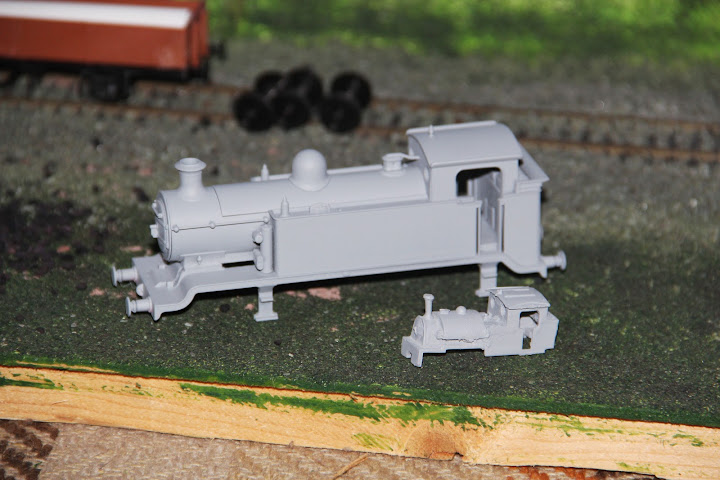
N Scale Narrow Gauge: Big Character in a Small Space
N scale narrow gauge combines the compact size of N scale with the distinctive look of railways built to a narrower track gauge than standard gauge. The result is a model railway that can suggest dramatic mountain routes, remote industrial lines or rural branch railways without needing a large room.
What Does “N Scale Narrow Gauge” Mean?
N scale usually represents trains at a ratio of 1:160, although some countries and manufacturers use slightly different proportions. Standard-gauge N scale trains generally run on track with a gauge of 9 mm. Narrow-gauge models represent real railways whose tracks were narrower than standard gauge, so they use narrower track while keeping the models at N scale.
One common notation is Nn3: “N” identifies the scale, “n” indicates narrow gauge, and “3” refers to a prototype track gauge of three feet. Nn3 models often run on 6.5 mm track, commonly associated with Z scale. The exact track used depends on the prototype and the modelling standards being followed.
Why Choose Narrow Gauge?
Narrow-gauge railways are often associated with winding routes, steep gradients and challenging terrain. Their smaller trains can negotiate tight curves, making them especially well suited to compact layouts. A modest-sized scene can include a station, a goods yard, a mine or timber operation, and a stretch of scenic line.
The subject also offers plenty of scope for storytelling. A narrow-gauge railway might serve a mountain community, carry timber from a forest, transport minerals from a quarry, or connect an isolated settlement to a larger railway. Weathered locomotives, modest stations and rugged scenery help give each model a strong sense of place.
Planning a Layout
Before building, decide what sort of railway the layout will portray. Choosing a country, period and purpose for the line helps guide decisions about locomotives, buildings, scenery and operation. Narrow-gauge lines varied greatly, so a clear theme can make a small layout feel convincing rather than crowded.
Track planning is another important consideration. Narrow-gauge trains can usually manage tighter curves than standard-gauge equipment, but curves that are too sharp may still cause problems, particularly for longer vehicles. Test the track arrangement with the longest locomotives and carriages planned for the layout, and allow room for reliable operation as well as visual effect.
Scenery can make excellent use of changes in height. A hillside, ravine or retaining wall can disguise a curve or provide a reason for the railway to twist across the layout. Even a small difference in elevation can add depth, but gradients should be tested with the intended trains to ensure they can climb them reliably.
Locomotives, Rolling Stock and Track
Finding suitable models can be one of the pleasures—and challenges—of N scale narrow gauge. Ready-to-run equipment is available for some prototypes, while other subjects may call for kits, modifications or conversions. Model makers sometimes adapt mechanisms or bodies from other scales, but wheel spacing, clearances and track compatibility need careful checking.
Track choice also depends on the gauge being modelled. Some layouts use commercially available track designed for another scale, while others use specialist track or hand-built track. Whatever the approach, smooth joints and consistent gauge are vital: small imperfections can have a noticeable effect on lightweight models.
A Rewarding Modelling Challenge
N scale narrow gauge brings together compact engineering and expressive scenery. It offers room for detailed operation and imaginative landscapes, while the unusual trains give the layout a distinctive identity. Whether built as a quiet rural line or a busy industrial railway, a narrow-gauge scene can deliver plenty of character in a surprisingly small space.
8 Essential Tips for Building an N Scale Narrow Gauge Railway
- Check the scale and track gauge before buying.
- Choose a prototype to guide your layout.
- Use gentle curves for smoother running.
- Keep gradients shallow, especially on tight bends.
- Test-fit track before fixing it down.
- Add ballast sparingly around small rails.
- Use fine scenery to suit the tiny scale.
- Run trains slowly for reliable operation.
Check the scale and track gauge before buying.
Before buying N scale narrow-gauge trains or track, check both the model’s scale and its track gauge. N scale describes the size of the model, while track gauge is the distance between the rails, and narrow-gauge systems vary. Make sure the trains and track are designed to work together, as products labelled “N scale” may be made for standard-gauge track rather than a narrow-gauge layout.
Choose a prototype to guide your layout.
Choose a real narrow-gauge railway as the prototype for your layout, or use it as a starting point for a freelance design. A particular railway can guide your choices of track gauge, locomotives, buildings, scenery and operating practices, helping the finished scene feel coherent and convincing. Even if space requires you to simplify the route, a clear prototype gives your N scale narrow-gauge layout a strong sense of place and purpose.
Use gentle curves for smoother running.
Use gentle curves wherever space allows to help N scale narrow-gauge trains run smoothly and reliably. Tight bends can cause locomotives and carriages to bind, derail or uncouple, especially when negotiating curves at speed. Test the track with your longest vehicles before fixing it in place, and keep curves broad and gradual for the best results.
Keep gradients shallow, especially on tight bends.
Keep gradients shallow on an N scale narrow-gauge railway, particularly where the track curves sharply. A tight bend already increases resistance, so combining it with a steep climb can make locomotives struggle, lose traction or stall. Gentle gradients help trains run more reliably and make it easier to haul a realistic load.
Test-fit track before fixing it down.
Test-fit the track before fixing it down to check that curves, points and clearances work as intended. Run your longest vehicles through the layout and make any adjustments before securing the track permanently; this is especially important in N scale narrow gauge, where small alignment errors can affect reliable running.
Add ballast sparingly around small rails.
Add ballast sparingly around narrow-gauge track: the rails and sleepers are small, so too much material can quickly overwhelm the track and make it look out of scale. Apply a thin layer, keep the rail tops and moving parts clear, then brush away any excess before fixing the ballast in place.
Use fine scenery to suit the tiny scale.
Use fine, carefully scaled scenery to bring an N scale narrow-gauge layout to life. Coarse foliage, oversized stones and bulky ground cover can quickly make the scene feel out of proportion, so choose delicate materials and apply them sparingly. Fine turf, small-grain ballast and miniature plants help create a convincing landscape, while subtle variations in colour and texture add depth without overwhelming the tiny trains.
Run trains slowly for reliable operation.
Run trains slowly for more reliable operation, especially on tight curves, gradients and points. A gentle, steady pace gives the wheels better contact with the track and helps prevent derailments, while also making the small locomotives and their narrow-gauge surroundings feel more realistic.