
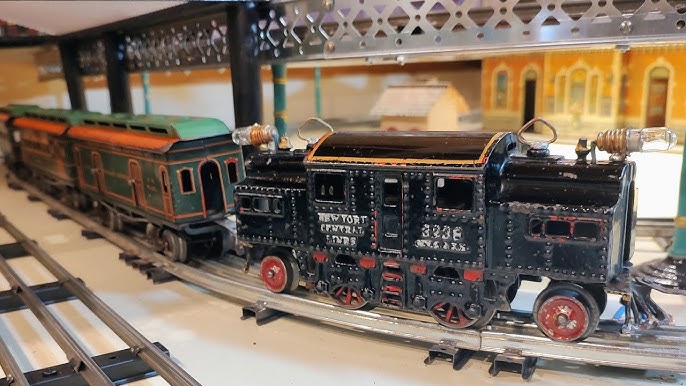
Electric Model Trains: A Guide to Getting Started
Electric model trains bring the movement, sound and atmosphere of the railway into miniature form. From a simple oval of track to a detailed network of routes, stations and landscapes, they offer a rewarding hobby that combines creativity, practical skills and an interest in railways.
How electric model trains work
In a conventional electric model railway, a controller supplies power to the rails. The locomotive’s motor collects that power through its wheels or electrical pickups, making the train move. The controller adjusts the voltage to change the train’s speed and, in many systems, its direction.
There are two common control approaches. With analogue control, the controller varies the electrical current on the track. With digital command control (DCC), a digital signal travels through the rails and tells a decoder inside each locomotive what to do. DCC can make it easier to operate several trains independently on the same track, although it usually involves more equipment and setup.
Choosing a scale and gauge
Before buying a train set, it helps to understand the difference between scale and gauge. Scale describes how much smaller the model is than the real railway. Gauge is the distance between the rails. Popular choices include OO gauge, widely used in the UK, and N gauge, which allows a larger railway to fit into a smaller space. HO scale is especially popular in many other countries.
Each option has its advantages. Larger models can show fine details and are often easier to handle, while smaller scales make it possible to create longer routes in a limited area. The best choice depends on available space, budget and personal preference.
Planning a model railway
A railway does not need to be elaborate to be enjoyable. A basic layout can begin with a loop of track, a controller and one locomotive. As confidence grows, the layout can be expanded with points, sidings, stations and scenery.
It is worth measuring the available space before choosing a track plan. Leave room to reach every part of the layout for cleaning and repairs, and consider how the trains will be stored when not in use. A clear plan can also help ensure that curves, gradients and track connections work together smoothly.
Track, power and maintenance
Reliable running starts with clean track and good electrical connections. Dust, grease or corrosion can interrupt the flow of power, causing trains to hesitate or stop. Regularly wiping the rails with a suitable track-cleaning tool and keeping the layout free from dust can make a noticeable difference.
Locomotives also benefit from occasional care. Follow the manufacturer’s instructions for cleaning and lubrication, and avoid applying too much oil. If a train runs unevenly, check the wheels, pickups and track joints before assuming that a major repair is needed.
Adding detail and atmosphere
Scenery helps turn a collection of trains and track into a miniature world. Buildings, trees, roads, platforms and figures can suggest a particular place and period. Many modellers enjoy creating realistic landscapes, while others prefer imaginative settings. There is no single right way to build a layout.
Lighting and sound can add another layer of interest. Some locomotives include working lights or sound features, while signals and station lighting can make a layout feel more alive. These details can be added gradually as the railway develops.
A hobby for all ages
Electric model trains can be enjoyed alone or as part of a club or family project. Beginners can learn from more experienced modellers, share tools and ideas, and see different layouts at exhibitions. Building a railway also offers opportunities to practise planning, wiring, model-making and problem-solving.
Whether the aim is to recreate a favourite railway, build a compact tabletop layout or create a detailed miniature landscape, electric model trains offer plenty of room to learn and experiment. Starting with a manageable project and expanding it over time is often the most satisfying way to enjoy the hobby.
Essential FAQs for Beginners: Understanding Electric Model Trains
- How do electric model trains work?
- What is the difference between analogue and DCC model trains?
- Which model train scale is best for beginners?
- What equipment do I need to get started with electric model trains?
- How do I choose the right track and controller?
- Why does my model train keep stopping or running unevenly?
- How do I clean and maintain model train track and locomotives?
- Can I run different model trains on the same track?
How do electric model trains work?
Electric model trains usually draw power from the rails through metal wheels or pickups beneath the locomotive. The power runs the motor, which turns the wheels, while a controller regulates the train’s speed and direction. In digital command control (DCC) systems, signals sent through the track tell a decoder in each locomotive how to operate, allowing several trains to be controlled independently on the same layout.
What is the difference between analogue and DCC model trains?
Analogue model trains are controlled by varying the electrical power supplied to the track, so all locomotives on the same section of track generally respond together. DCC (Digital Command Control) sends digital instructions through the rails to a decoder fitted inside each locomotive, allowing trains on the same track to be controlled independently. DCC can also support features such as sound and lighting controls, but it typically requires compatible equipment and may cost more to set up.
Which model train scale is best for beginners?
For many beginners in the UK, OO gauge is a good place to start: it is widely available, offers a broad choice of trains and accessories, and is large enough to handle and detail easily. In countries where HO is the standard, HO can offer similar advantages. If space is limited, N gauge allows a longer railway in a smaller area, though its smaller parts may be trickier to handle. The best choice is usually the scale that suits your available space and has the trains you most want to run.
What equipment do I need to get started with electric model trains?
To get started with electric model trains, you’ll need a locomotive, compatible track, a power supply and a controller, often included in a starter set. Check that the train’s scale and track gauge match, and choose a suitable surface or baseboard for your layout. As you gain experience, you can add extra track, points, carriages and scenery. If you’d like to control several trains independently, consider a digital command control (DCC) system; for a simple first layout, a basic analogue set is usually enough.
How do I choose the right track and controller?
Choose track that matches your trains’ scale and gauge, and check that all sections, points and connectors are compatible with one another. For a first layout, a starter set can be a convenient way to get matching track and a controller. Your controller should suit the trains’ control system: an analogue controller is usually straightforward for a simple layout, while a DCC system allows independent control of decoder-fitted locomotives on the same track. Also consider the size of your layout and how many trains you plan to run, and follow the manufacturers’ guidance on power requirements and compatibility.
Why does my model train keep stopping or running unevenly?
A model train that keeps stopping or running unevenly is often suffering from poor electrical contact. Dust or grime on the track and locomotive wheels can interrupt the power supply, so clean them gently with a suitable track-cleaning tool. Also check that track joints are firmly connected and that the controller and wiring are secure. If the problem continues, inspect the locomotive’s pickups and wheels for dirt or damage, and consult the manufacturer’s instructions before lubricating or carrying out repairs.
How do I clean and maintain model train track and locomotives?
Clean model train track regularly with a lint-free cloth or a track-cleaning pad, using a cleaner recommended by the track manufacturer; avoid abrasive materials that could damage the rails. For locomotives, gently remove dust and fluff from the wheels and pickups, and follow the manufacturer’s instructions for lubrication—use only a small amount of suitable oil, as excess can attract dirt. Before maintenance, switch off and unplug the controller, and check for loose connections or damaged parts. Regular, gentle care helps keep trains running smoothly and reliably.
Can I run different model trains on the same track?
Yes, you can run different model trains on the same track, provided they use the same scale and track gauge and are compatible with your control system. With analogue control, locomotives generally need to be suitable for the same type of power supply; with DCC, each locomotive needs a compatible decoder and a unique address to be controlled independently. Check the manufacturer’s specifications, as compatibility can vary between brands and systems.