
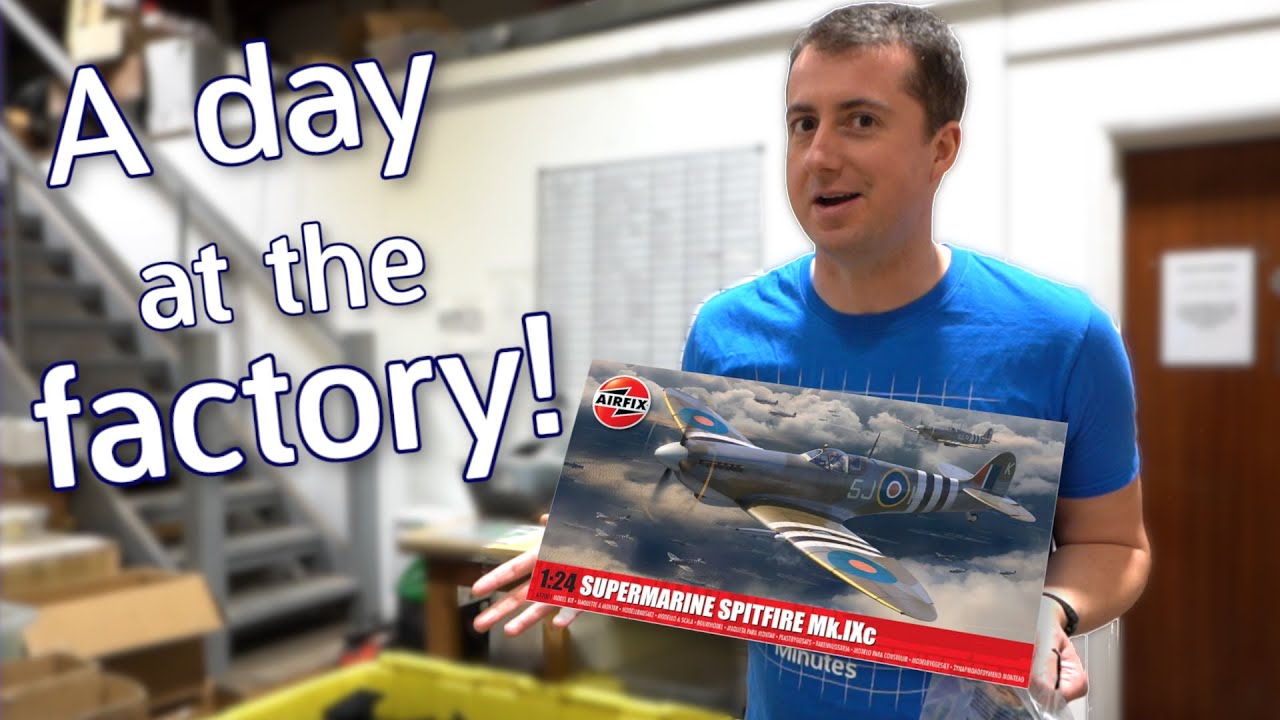
The Fascinating World of Model Kits
Model kits have long been a beloved pastime for enthusiasts of all ages. These intricately designed sets allow individuals to recreate miniature versions of vehicles, buildings, aircraft, and more with meticulous detail and precision.
One of the most appealing aspects of model kits is the sense of accomplishment that comes from assembling and painting each piece to create a stunning final product. Whether you are a seasoned modeller or a beginner looking to explore a new hobby, model kits offer a rewarding and creative outlet.
The Joy of Building
Building a model kit requires patience, attention to detail, and a steady hand. From carefully removing pieces from the sprues to following complex instructions for assembly, each step in the process contributes to the overall satisfaction of completing a model kit.
Many modellers find solace in the meditative nature of working on a kit, focusing their minds on intricate tasks that require concentration and skill. The sense of accomplishment that comes from seeing a project come together piece by piece is truly rewarding.
Diverse Range of Kits
Model kits come in various scales and complexities, catering to modellers with different levels of experience and interests. Whether you are interested in classic cars, military vehicles, ships, or science fiction models, there is a kit available to suit your preferences.
Advanced modellers may enjoy the challenge of working on highly detailed kits with intricate parts and realistic features. On the other hand, beginners can start with simpler kits that provide an introduction to basic modelling techniques before progressing to more complex projects.
The Art of Painting
Painting is an essential part of the model kit assembly process, allowing modellers to add colour and realism to their creations. Choosing the right colours, applying them with precision, and adding weathering effects can transform a plain plastic model into a lifelike replica.
Many modellers take great pride in mastering painting techniques such as airbrushing, dry brushing, and washes to achieve professional-looking results. Experimenting with different painting methods can enhance the visual appeal of a model kit and bring it to life.
Joining the Modelling Community
Modelling is not just a solitary pursuit – it is also an opportunity to connect with like-minded individuals who share your passion for creativity and craftsmanship. Model clubs, online forums, and exhibitions provide avenues for modellers to showcase their work, exchange tips and advice, and learn from others in the community.
By joining the modelling community, you can expand your skills, gain inspiration from fellow modellers’ projects, and forge lasting friendships with people who appreciate the artistry and dedication required to create stunning model kits.
In conclusion, model kits offer an engaging and fulfilling hobby that combines artistry, craftsmanship, and creativity. Whether you are drawn to historical replicas or futuristic designs, building model kits provides endless opportunities for self-expression and enjoyment.
Essential FAQs for Model Kit Enthusiasts: Tools, Techniques, and Tips for All Skill Levels
- 1. What tools do I need to assemble a model kit?
- 2. How do I choose the right model kit for my skill level?
- 3. What painting techniques are commonly used in model kit assembly?
- 4. Are there any tips for beginners starting with their first model kit?
- 5. Where can I find resources or tutorials to improve my modelling skills?
- 6. Can model kits be customised or modified to create unique designs?
1. What tools do I need to assemble a model kit?
When it comes to assembling a model kit, having the right tools is essential to ensure a smooth and successful build. Some basic tools that are commonly recommended for modellers include precision hobby knives for cutting and trimming parts, plastic cement or glue for secure bonding, tweezers for handling small pieces, sandpaper or files for smoothing rough edges, and paintbrushes for applying paint and detailing. Additionally, having a cutting mat to protect your work surface, a sprue cutter for cleanly removing parts from the frames, and a magnifying glass for working on intricate details can also be beneficial. By equipping yourself with these essential tools, you can enhance your modelling experience and achieve professional-looking results.
2. How do I choose the right model kit for my skill level?
When selecting the appropriate model kit for your skill level, it is essential to consider factors such as complexity, scale, and your level of experience. Beginners may want to start with simpler kits that have fewer parts and straightforward assembly instructions to build confidence and develop basic modelling skills. Intermediate modellers can explore kits with more intricate details and techniques to further enhance their abilities. Advanced modellers may seek out complex kits that offer a greater challenge and the opportunity to showcase their expertise in advanced modelling techniques. By evaluating your current skill level and taking into account the complexity of the kit, you can choose a model that aligns with your abilities and provides an enjoyable modelling experience.
3. What painting techniques are commonly used in model kit assembly?
When it comes to model kit assembly, various painting techniques are commonly employed to enhance the realism and visual appeal of the finished model. Modellers often utilise techniques such as airbrushing, dry brushing, and washes to achieve different effects. Airbrushing allows for smooth and even application of paint, creating a professional finish. Dry brushing is used to highlight raised details by lightly brushing a contrasting colour over the surface. Washes involve applying thinned paint to recessed areas to create depth and shadows. These painting techniques play a crucial role in bringing model kits to life and adding intricate details that make each project truly unique.
4. Are there any tips for beginners starting with their first model kit?
For beginners embarking on their first model kit project, there are several helpful tips to ensure a smooth and enjoyable experience. Firstly, it is essential to carefully read the instructions provided with the kit and familiarise yourself with the assembly process before starting. Organising your workspace with the necessary tools, such as hobby knives, glue, and paints, can streamline the building process. Taking your time and working methodically on each step will help prevent mistakes and ensure a high-quality finished model. Additionally, seeking advice from experienced modellers, watching tutorial videos, and joining online forums can provide valuable insights and guidance for beginners looking to hone their modelling skills.
5. Where can I find resources or tutorials to improve my modelling skills?
For modellers looking to enhance their skills and expand their knowledge, there are numerous resources and tutorials available online and in print. Websites, forums, and social media platforms dedicated to modelling often feature step-by-step guides, video tutorials, and tips from experienced modellers. Additionally, many modelling magazines offer in-depth articles on advanced techniques, product reviews, and inspiration for new projects. Attending model shows, workshops, or joining a local model club can also provide valuable opportunities to learn from others and improve your modelling skills through hands-on experience and collaboration.
6. Can model kits be customised or modified to create unique designs?
Model kits offer modellers the exciting opportunity to customise and modify their creations to achieve unique designs. From kitbashing different models to incorporating aftermarket parts and accessories, there are countless ways to personalise a model kit and make it stand out. Whether it involves adding custom paint schemes, detailing with extra features, or even combining elements from multiple kits, the ability to customise models allows enthusiasts to unleash their creativity and showcase their individual style in the world of modelling.