
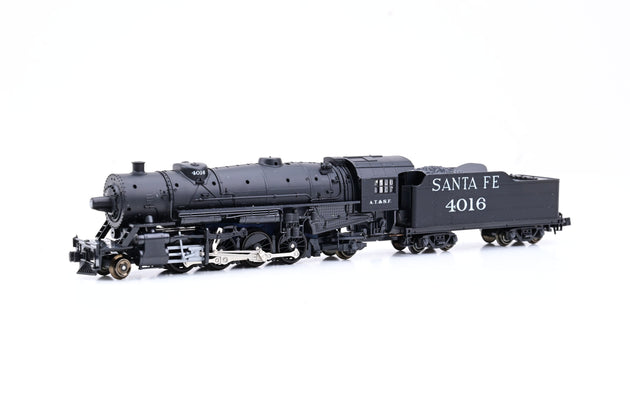
The Fascinating World of N Gauge Scale Model Trains
Model trains have captivated enthusiasts for generations, offering a miniature world of creativity and precision. Among the various scales available to modellers, the N gauge scale stands out for its compact size and intricate detail.
The N gauge scale, with a ratio of 1:148, allows modellers to create realistic layouts in a relatively small space. Despite its diminutive size, N gauge models retain an impressive level of detail, making them popular among hobbyists looking to build intricate scenes.
One of the key advantages of the N gauge scale is its versatility. Modellers can design layouts that feature complex track plans, realistic scenery, and detailed structures without requiring a vast amount of space. This makes N gauge ideal for those with limited room or those looking to create a highly detailed layout.
From steam locomotives chugging through picturesque landscapes to modern electric trains speeding through urban settings, the N gauge scale offers a wide range of modelling possibilities. Enthusiasts can choose from a diverse selection of rolling stock, buildings, and accessories to customise their layouts according to their interests and preferences.
Whether you are an experienced modeller or just starting out in the world of model trains, exploring the N gauge scale can provide endless hours of enjoyment and creative expression. The compact size and intricate detail of N gauge models offer a unique perspective on railway modelling that continues to inspire enthusiasts around the world.
Step into the fascinating world of N gauge scale model trains and discover the joy of creating miniature worlds where imagination knows no bounds.
Understanding N Gauge Scale: Key Differences, Ratios, and Measurements Explained
- Is N scale the same as ho scale?
- What is the N scale ratio?
- What size is N gauge in mm?
- What is the difference between z scale and N scale?
- What ratio is N scale?
Is N scale the same as ho scale?
When exploring model railway scales, a common question that arises is whether N scale is the same as HO scale. While both N scale and HO scale are popular choices among model railway enthusiasts, they are not the same. N scale, with a ratio of 1:148, is smaller than HO scale, which has a ratio of 1:87. This means that N scale models are approximately half the size of their HO scale counterparts. Despite their differences in size, both scales offer unique advantages and cater to different preferences in terms of layout space, detail level, and available accessories. Understanding the distinctions between N scale and HO scale allows modellers to make informed decisions based on their specific interests and requirements within the hobby of model railways.
What is the N scale ratio?
The N scale ratio, commonly known as the N gauge scale, refers to the proportion at which model trains and railways are scaled down from their real-life counterparts. In the case of N scale, the ratio is typically 1:148, meaning that every unit of measurement on a model represents 148 units in real life. This scale allows modellers to create detailed and realistic layouts in a compact space, making it a popular choice for hobbyists looking to build intricate scenes with a high level of precision and accuracy.
What size is N gauge in mm?
In the world of model railways, a frequently asked question about N gauge scale is, “What size is N gauge in mm?” N gauge models are built to a scale of 1:148, which translates to 1.905 mm representing 1 foot. This means that the track and models in N gauge are approximately 9mm apart, making them compact yet detailed representations of real-life trains and landscapes. Understanding the dimensions of N gauge in millimetres is essential for modellers looking to create accurate layouts and scenes in this popular scale.
What is the difference between z scale and N scale?
When comparing Z scale and N scale in model railways, the key difference lies in their respective sizes. Z scale is smaller than N scale, with Z scale models being approximately half the size of N scale models. This difference in size impacts the level of detail that can be achieved in each scale, with Z scale allowing for intricate details due to its smaller size, while N scale offers a balance between detail and space efficiency. Modellers often choose between Z and N scales based on their preferences for layout size, level of detail, and available space for their railway projects.
What ratio is N scale?
The N scale, a popular choice among model railway enthusiasts, is characterised by its ratio of 1:148. This ratio means that the models in N gauge scale are approximately 1/148th the size of the real-life trains they represent. Understanding this ratio is essential for modellers as it determines the proportions and dimensions of the miniature world they are creating, allowing for accurate representation and realistic layouts within a compact space.